Most UK teens would disable a proposed overnight social media curfew, a Censuswide poll finds. The default setting would block access for 16- and 17-year-olds between midnight and 6:00 am but could be turned off, and 85% of 16–18-year-olds said they would do so. Regulators warn a curfew alone may not prevent online harms, and ministers say the voluntary default could be reviewed if many opt out.
85% Of UK Teens Say They'd Disable Proposed Overnight Social Media Curfew, Poll Finds
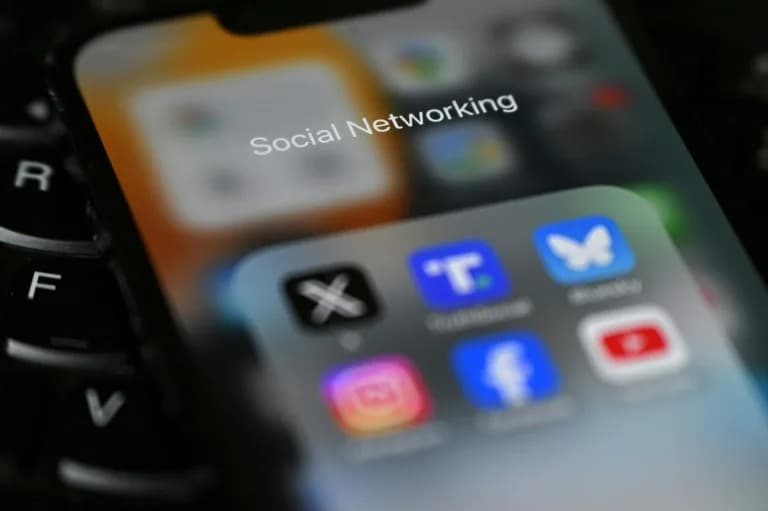
UK teens plan to opt out of social media curfews proposed by the government (Justin TALLIS)
A new poll suggests most older UK teenagers would switch off a government plan to impose an overnight social media curfew. The survey — carried out for the Online Responsibility Network by Censuswide — asked 1,000 teenagers about a proposed default setting that would block social platforms between midnight and 6:00 am for 16- and 17-year-olds.
What The Proposal Would Do
The government has proposed that accounts for 16- and 17-year-olds be placed, by default, behind a time lock that prevents access to apps such as Snapchat, TikTok, YouTube, Instagram and Facebook between 00:00 and 06:00. The restriction would be opt-outable: users could disable the setting if they chose to.
Survey Results
The Censuswide poll found 85% of 16- to 18-year-olds said they would turn the curfew feature off. Just under half of respondents said they would do so to continue speaking with friends and family; 37% said they would opt out to watch online content. Only 2% of those surveyed said they do not currently scroll social media or watch short-form videos on school nights, and more than 18% reported using social media until 1:00 am or later.
"A curfew is unlikely to be enough on its own to prevent online harms," said Leanne Proctor, regulatory lead at the Online Responsibility Network, which commissioned the survey.
Government Response And International Context
Education minister Bridget Phillipson said broadcasters were told the voluntary default could be reconsidered if a large number of teenagers choose to disable it. The government has pointed to Australia’s under-16 social media ban — introduced in December — as one partial model; that policy did not include a night-time curfew for 16- and 17-year-olds and has produced mixed results so far.
While the curfew aims to reduce late-night online exposure, experts and campaigners say default time limits alone may not address the full range of online harms and that complementary measures (education, moderation, and parental engagement) will likely be needed.
Help us improve.