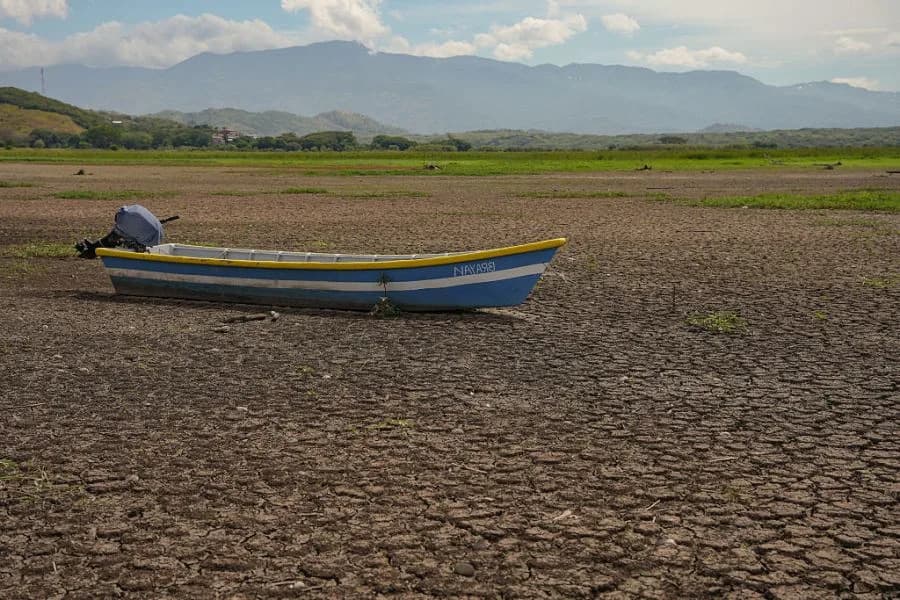
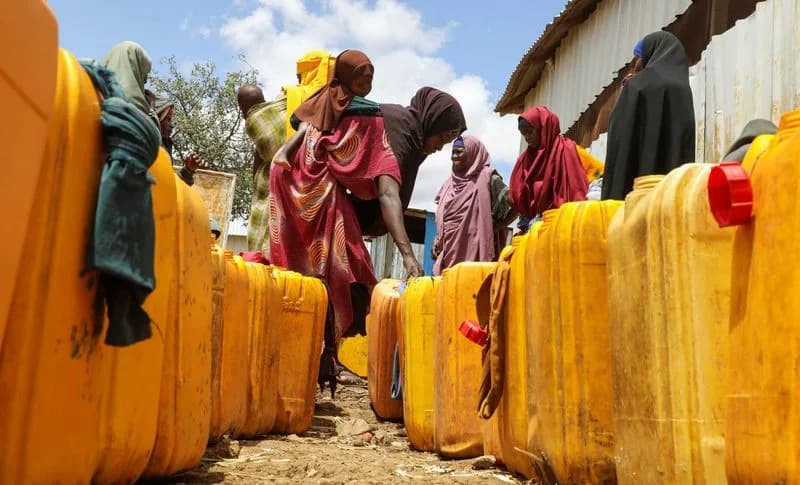
The late-2025 to early-2026 floods in Mozambique submerged tens of thousands of hectares of cropland and damaged critical roads and markets, pushing many farming families from self-sufficiency into food insecurity. FAO estimates around 275,405 hectares were affected and roughly 314,783 farmers put at risk. The WFP warns that lost stocks and transport disruptions have driven up food prices and humanitarian needs, while experts say back-to-back drought and flood shocks are eroding communities' ability to recover.
After the Floods, Hunger: How Mozambique’s Late-2025 Deluge Deepened a Food Crisis
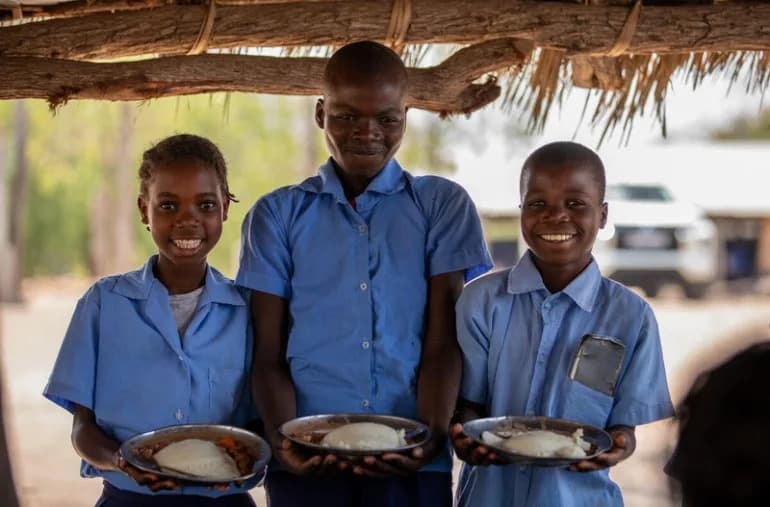
Schoolchildren pose with nutrition meals provided by the United Nations' World Food Programme as communities recover from flooding in Mozambique [WFP Mozambique]
Xai-Xai, Mozambique — Months after floodwaters ripped through his neighbourhood, Joacim Pinto still walks past the empty plots where his crops once grew. The land that provided his family with food and income now offers only the memory of what was lost: livestock gone, wells and gardens swallowed by water.
For Pinto, 50, surviving the deluge was only the start of a new battle. A resident of Xai-Xai in Gaza province, he says the crisis did not end when the rivers receded.
"We either die from the floods, or if we survive, hunger takes over," Pinto tells Al Jazeera.
The floods that swept Mozambique from late December 2025 into early 2026 devastated farmland and infrastructure across central and southern provinces, including Gaza, Maputo, Inhambane, Sofala and Zambezia. Fields were submerged, harvests ruined and roads that normally link farms to markets were badly damaged or cut off.
Widespread Agricultural Losses and Disrupted Supply Chains
According to the Food and Agriculture Organization (FAO), roughly 275,405 hectares (680,540 acres) of farmland were affected, putting the livelihoods of an estimated 314,783 farmers at risk. For many rural households, farming is not just income — it is the primary safety net. Where gardens once reduced dependence on market purchases, families now face steep food bills as local supplies dry up.
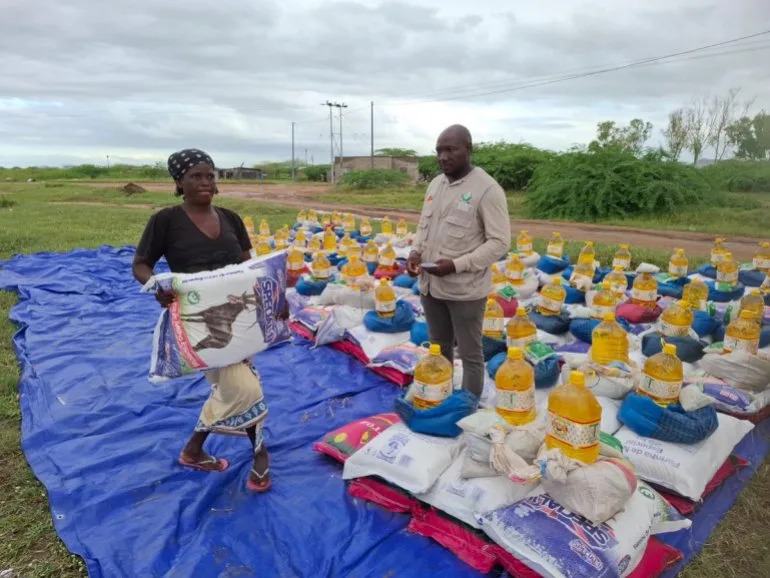
Flood survivors receive food assistance from the World Food Programme in Mozambique in April 2026 [WFP Mozambique]
The United Nations World Food Programme (WFP) warned that damaged roads and markets, lost food stocks and higher transport costs are driving up prices and increasing humanitarian needs. Ana Mato Hombre, WFP Mozambique spokesperson, told Al Jazeera that while exact inflation rates vary by district, the dominant pressure on prices comes from the dramatic reduction in local supply and the disruption of supply routes.
Market Strain and Rising Prices
Transport disruptions and damaged highways have pushed up fuel and delivery costs. Shuwa Anolis, a truck driver and food trader in Xai-Xai, says his business added a roughly 10 percent markup on staples such as rice, flour and chicken to cover higher fuel and logistics expenses. For households that lost their crops, even modest price increases compound the hardship.
Experts warn these shocks also change diets. Tafadzwanashe Mabhaudhi, a professor of climate change and food systems at the London School of Hygiene and Tropical Medicine, says repeated disasters reduce access to a variety of foods and force households into cheaper, less nutritious diets.
Back-to-Back Disasters
The floods struck while communities were still recovering from a severe drought tied to the 2024–2025 El Niño pattern. That back-to-back sequence has shortened recovery windows: families lose crops, begin to rebuild and are then struck by another shock before they have regained their footing.
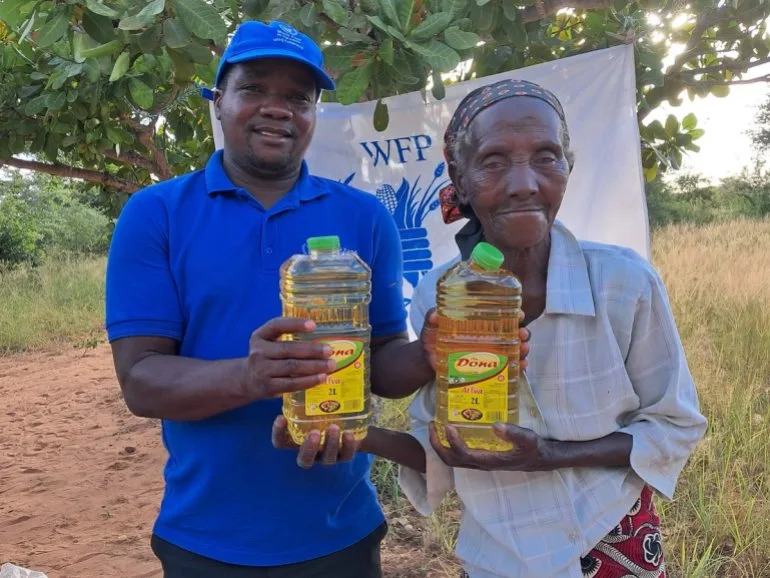
Flood survivors receive aid from the World Food Programme in Mozambique in April 2026 [WFP Mozambique]
Mozambique’s vulnerability is shaped by its geography, heavy reliance on rain-fed agriculture and limited resources to rebuild after disasters. Mabhaudhi also notes the country’s location downstream of major river systems increases exposure to floods triggered by rainfall and land-use changes beyond its borders.
Humanitarian Response and the Road Ahead
Relief agencies, including the WFP, have been providing emergency food assistance as communities recover. Nonetheless, the immediate challenge remains helping households rebuild livelihoods and restoring local food production before another climatic shock arrives.
"The same communities whose crops were devastated by drought are still recovering, and now they have been devastated by floods," Mabhaudhi says. "There is a limit on people's ability to cope with back-to-back disasters."
The floods illustrate how climate extremes compound local vulnerabilities and highlight the urgent need for resilient infrastructure, improved early warning systems and long-term support for smallholder farmers to rebuild productive capacity and food security.
Help us improve.