The ACLU and media reports document a disturbing rise in forceful immigration enforcement, highlighted by two fatal ICE shootings in Texas and Maine. An ACLU review of more than 1,200 incidents in eight states in 2025 documents hundreds of uses of force, chemical irritants, and prohibited tactics, and finds children and observers frequently affected. Advocates call for de-escalation, sweeping reforms, and replacing ICE with an agency centered on family unity, community safety, and rights protection.
Chaos and Cruelty of ICE: Fatal Shootings and an ACLU Report Expose Widespread Use of Force
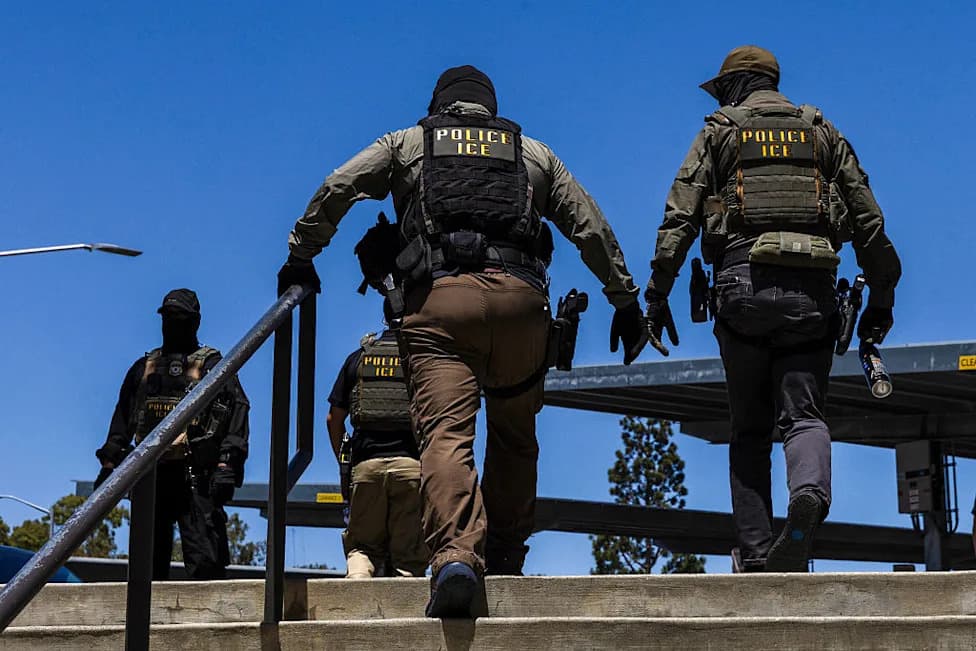
Immigration and Customs Enforcement (ICE) agents walk outside the Ventura County Government Center in Ventura, California, on July 27, 2026. —Blake Fagan—AFP/Getty Images
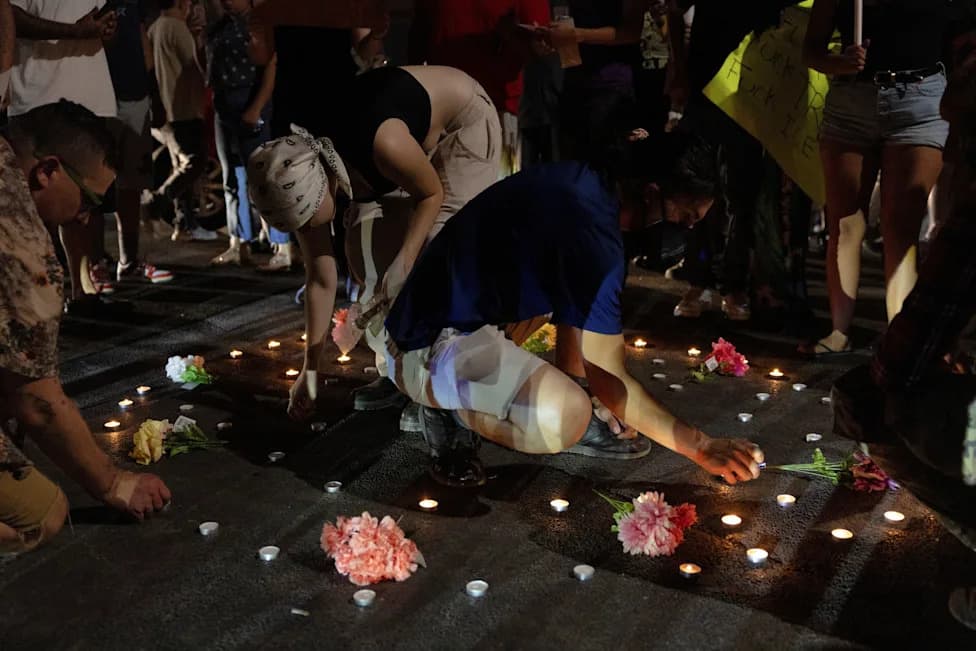
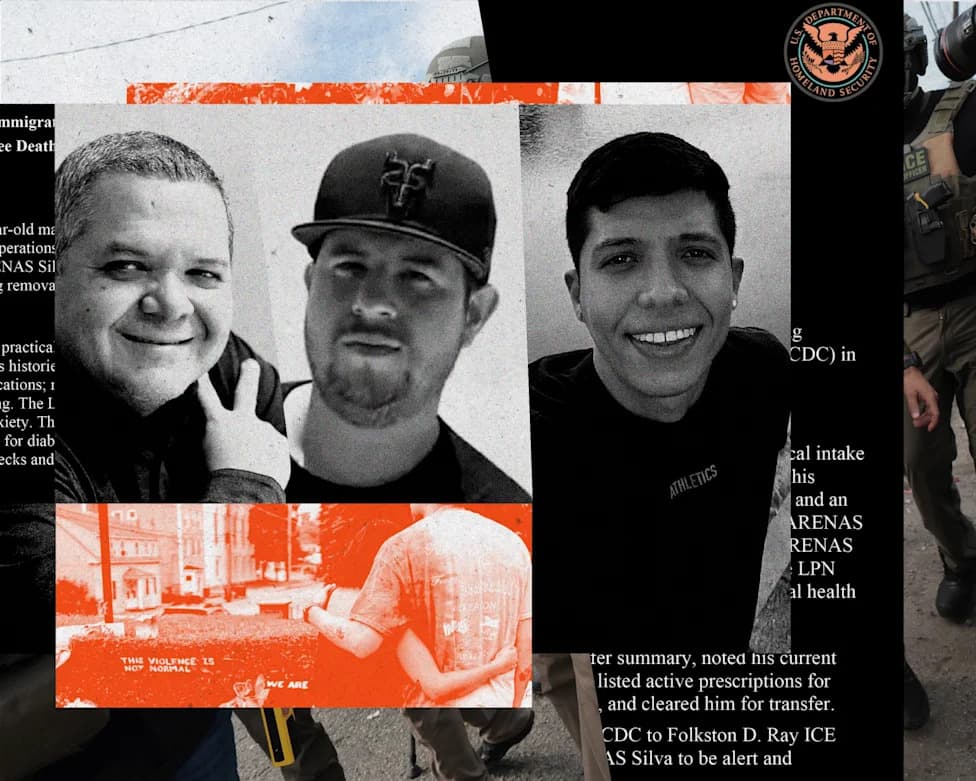
In a span of just six days, immigration enforcement agents fatally shot two people: Lorenzo Salgado Araujo in Texas and Johan Sebastián Durán Guerrero in Maine. These deaths are being cited by advocates and civil-rights groups as part of a larger pattern of aggressive immigration enforcement that has intensified in recent years.
Backed by tens of billions of dollars in congressional funding, the administration significantly expanded ICE's personnel and launched a nationwide enforcement "surge" with a stated public goal of dramatically increasing removals. ICE has acknowledged that the recent shootings killed people who were not the intended targets, deepening concerns about sloppy, reckless, and dangerous operations.
The New York Times has reported at least six other fatal shootings by ICE agents since the start of the administration's second term, an indication critics say of a systemic problem rather than isolated incidents.
What the ACLU Found
A new American Civil Liberties Union (ACLU) review examined more than 1,200 enforcement incidents across eight states in 2025 and identified recurring patterns of coercion and dangerous tactics. The report documents numerous uses of force and practices that many civil-rights advocates and law-enforcement experts find deeply troubling:
- 418 incidents of shoving, tackling, or pinning people
- 76 occasions of pulling people from cars
- 130 instances of weapon brandishing and 69 verbal threats to use weapons
- 361 uses of pepper spray or other chemical irritants
- 81 applications of highly dangerous tactics such as chokeholds or neck grabs
The ACLU report concludes that these tactics are frequently used to compel immediate compliance rather than in response to clear, imminent threats to officer safety.
Collateral Harms: Children, Witnesses, and Civil Liberties
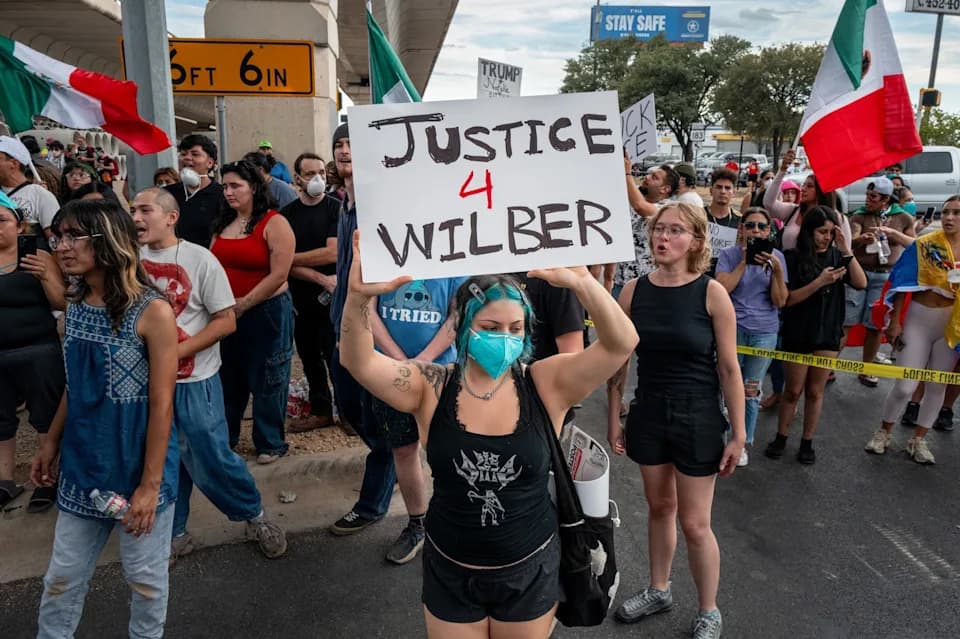
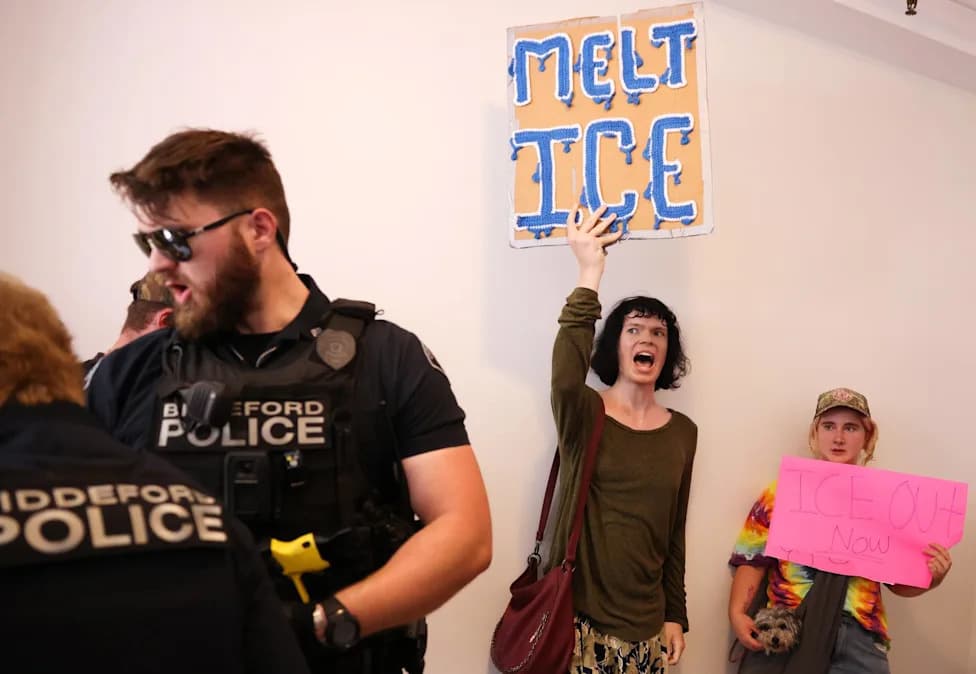
Moving enforcement into everyday public spaces—homes, workplaces, schools, and transit—has exposed bystanders to disruption and harm. The ACLU identified more than 200 children who were detained or otherwise subjected to misconduct during operations, including 32 U.S. citizen children. Researchers also found 782 people who were observing, documenting, protesting, or otherwise bearing witness were targeted, detained, or subjected to misconduct, a pattern the report frames as chilling to First Amendment activity.
Advocates warn that when heavily armed officers treat force as a default tactic, routine encounters can escalate into injury or death in seconds. These outcomes, the report argues, are not random accidents but foreseeable consequences of the enforcement model now in place.
Critics accuse the administration of turning a national immigration agency into an almost paramilitary deportation force that threatens community safety and civil liberties. Some opponents point to ambitious deportation rhetoric—figures cited by critics include proposals they say would amount to tens of millions of removals—as evidence the campaign has been reshaping daily life for many people.
Policy advocates and civil-rights groups are calling on the White House to de-escalate the enforcement surge and pursue deep, lasting reform. Many urge replacing ICE with a reimagined agency focused on family unity, community stability, protection of rights, and clear pathways to citizenship and legal status.
Lorenzo Salgado Araujo and Johan Sebastián Durán Guerrero are not the first people killed in enforcement operations, but advocates insist their deaths must be the last. The report concludes that without meaningful institutional change, public places will remain unsafe for immigrants and citizens alike.
Help us improve.