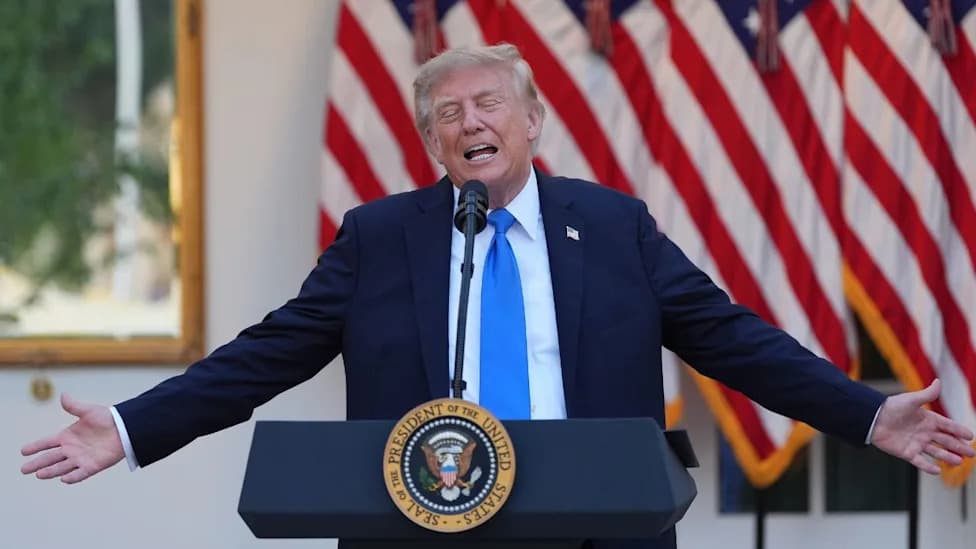
President Donald Trump filed an emergency motion on Aug. 5 asking a court to pause an order requiring him to disclose financial records tied to more than 400 companies in the Trump Family Trust as part of his $10 billion defamation suit against the BBC. Trump’s lawyers say the BBC’s request is politically motivated and overly broad; the BBC counters that the documents are 'critically relevant' to assessing reputational damage and offered to protect sensitive material under a protective order. The suit centers on edited Jan. 6, 2021 remarks used in a 2024 Panorama episode; Trump has also alleged, without BBC corroboration, that AI was used to alter his speech.
Trump Moves to Block BBC From Accessing Financial Records in $10 Billion Defamation Suit
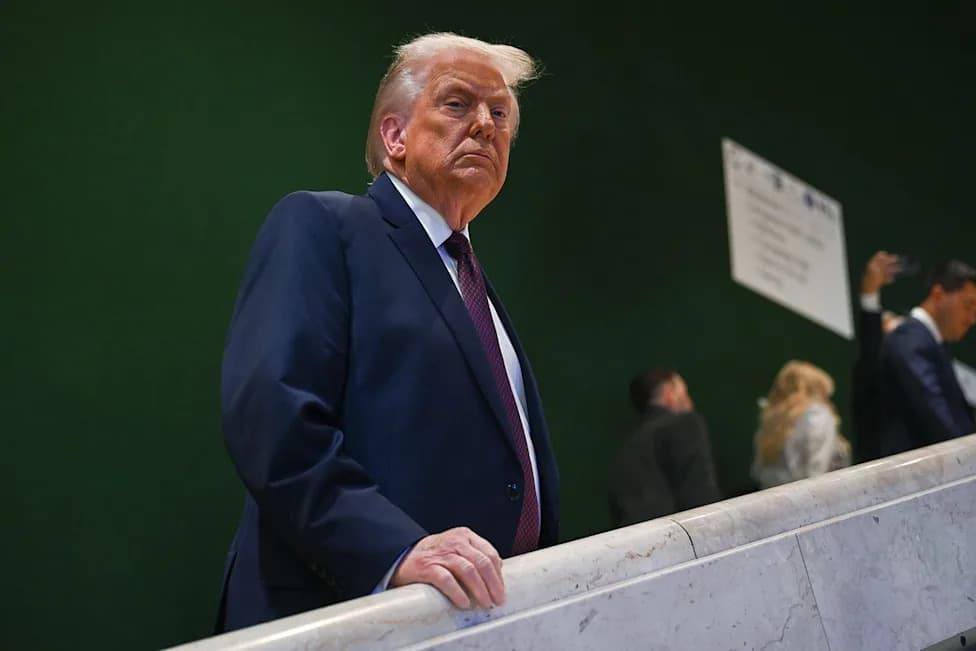
President Donald Trump in Davos, Switzerland on Jan. 22, 2026Credit: Harun Ozalp/Anadolu via Getty
President Donald Trump filed an emergency motion on Aug. 5 seeking to stay a court order that would require him to hand over extensive financial records to the BBC as part of his $10 billion defamation lawsuit over a 2024 Panorama episode.
Background
Trump sued the BBC in Florida in December 2025, alleging that a Panorama documentary deceptively edited two remarks he made on Jan. 6, 2021, and that the edit defamed him and damaged the value of his 'brand, properties and businesses.' The suit seeks $10 billion in damages.
Court Order And Emergency Motion
Judge Enjoliqué Lett issued an order directing Trump to disclose information tied to more than 400 companies held by the Trump Family Trust by Aug. 6. Late the night before the deadline, Trump’s attorneys filed an emergency motion asking the court to pause that order.
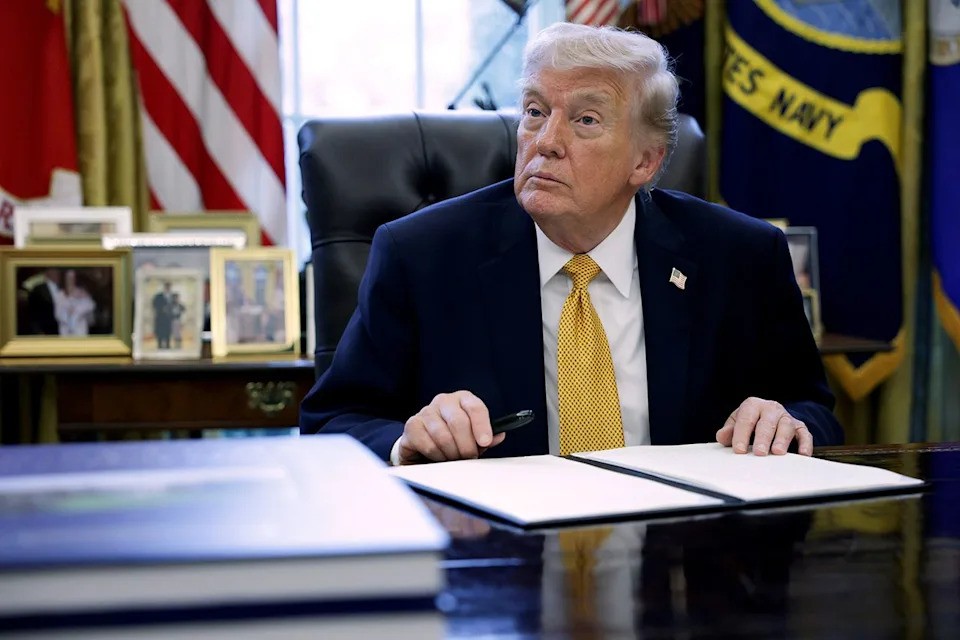
President Donald Trump in the Oval Office of the White House on March 16, 2026Credit: Alex Wong/Getty
In the motion, Trump’s lawyers called the BBC’s request 'a shockingly broad amount of information based on clearly political motivations' and accused the broadcaster of attempting to 'exploit this litigation for its own political benefit, as well as the benefit of President Trump’s other political opponents.' They also asked permission to file an amended complaint narrowing the focus to alleged reputational harm so that any discovery would be 'proportional to the needs of the case.'
BBC Response
The BBC replied in its own filing, arguing the requested materials are 'critically relevant' to assessing the reputational harm and the scale of damages Trump is seeking. The broadcaster offered to place any produced documents under a protective order to prevent wider dissemination.
BBC lawyers said Trump had refused for months to provide meaningful information to support his $10 billion claim and described the emergency motion as an attempt to evade the court’s order.
The BBC headquarters in London in 2024Credit: Vuk Valcic/SOPA Images/LightRocket via Getty
Key Issues
The lawsuit centers on two remarks that were broadcast about an hour apart: 'We're going to walk down to the Capitol' and 'Fight like hell. If you don't fight like hell, you're not gonna have a country anymore.' The BBC has apologized for how the two clips were edited together but denies deliberately manipulating the footage.
Trump has also alleged, according to reporting from The Independent, that the BBC used AI to insert words into his speech; the BBC denies that claim. In court papers, BBC lawyers have argued that because Trump later won the 2024 election, it is difficult to show the documentary harmed his reputation.
What Happens Next
The court will consider the emergency motion to stay the disclosure order and whether to allow Trump to amend his complaint. If the stay is denied, Trump may be required to produce the requested financial records subject to any protective order the court imposes.
Why It Matters: The dispute highlights how broad discovery demands in high-profile defamation suits can collide with claims of political motivation and privacy for business records tied to public figures.
Help us improve.