
The Trump-backed road map for Gaza’s "phase 2," announced on July 30, 2026, requires Hamas to disarm and transfer civilian authority to a technocratic Palestinian administration while Israeli forces withdraw. Deep mistrust persists: Hamas demands withdrawal before disarmament, while Israel and the Board of Peace insist disarmament first. External mediators and figures such as Mohammed Dahlan and Jared Kushner helped secure Hamas’ public acceptance, but renewed Israeli strikes and Israeli domestic politics threaten the plan. The timetable and sequencing remain the project’s biggest obstacles, leaving the outcome uncertain.
Trump’s Gaza Road Map: Fragile 'Phase 2' Breakthrough Faces Major Obstacles
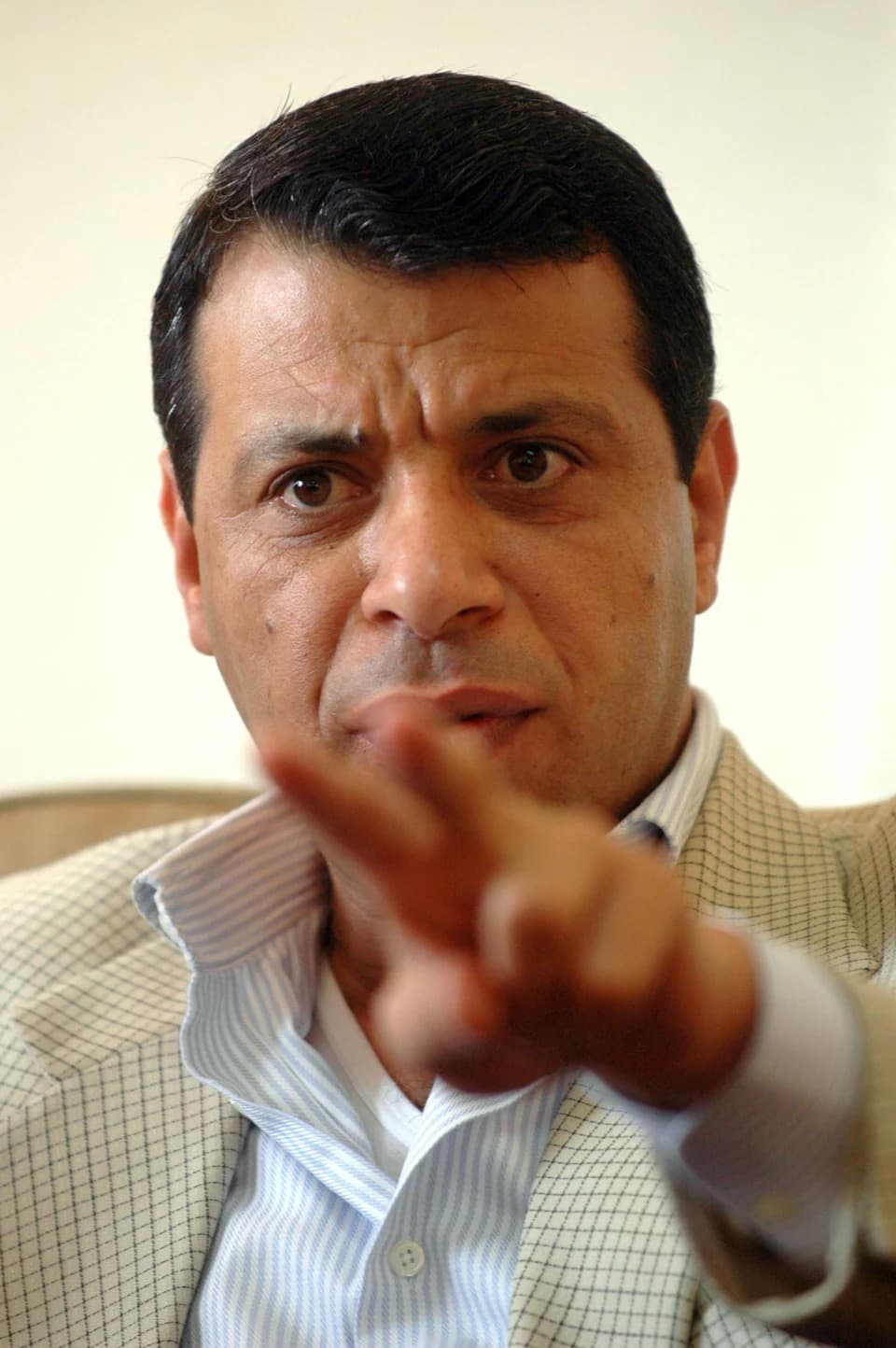
Mohammed Dahlan has become a pivotal figure in the Gaza peace plan negotiations.Lior Mizrahi/Getty Images
Nearly ten months after both sides agreed to the first phase of a ceasefire, Israel and Hamas are being pushed—albeit reluctantly—toward a proposed "phase 2." On July 30, 2026, President Donald Trump announced that Hamas had agreed to disarm and to transfer security and civilian responsibilities in the Gaza Strip to a technocratic Palestinian administration, a central precondition for phase 2 of the U.S.-brokered plan. The president’s Board of Peace published a detailed road map the following day outlining how those changes could be carried out.
Phase 2: What It Requires
The road map calls for Hamas to hand over heavy weapons, including missile launchers, and all light arms; to dismantle tunnel networks and weapons-manufacturing sites; and to transfer civilian authority to an interim technocratic administration. In parallel, the plan envisions a phased withdrawal of Israeli forces from much of Gaza. It also requires the disarmament of Palestinian militias that have been operating under Israeli oversight in areas under Israeli control.
Major Obstacles
Despite the announcement, profound mistrust and political hurdles threaten implementation. Hamas insists it will not disarm before Israeli forces withdraw. Israel — and now Board of Peace chief Nickolay Mladenov, per the road map’s sequencing — insists that withdrawal cannot begin until Hamas is disarmed. This standoff over sequencing is compounded by renewed Israeli strikes after the announcement, which killed more than a dozen people and further undermined the fragile trust needed for any transition.
Political Players And Pressures
External mediators — notably Egypt, Turkey and Qatar — applied sustained pressure on Hamas to accept the plan. Key intermediaries included Mohammed Dahlan, a Gaza-born exiled Fatah figure based in the United Arab Emirates, and Jared Kushner, a member of Trump’s Board of Peace. Dahlan’s influence, and his coordination with UAE resources, helped persuade Hamas to publicly accept the most contentious elements of the road map.
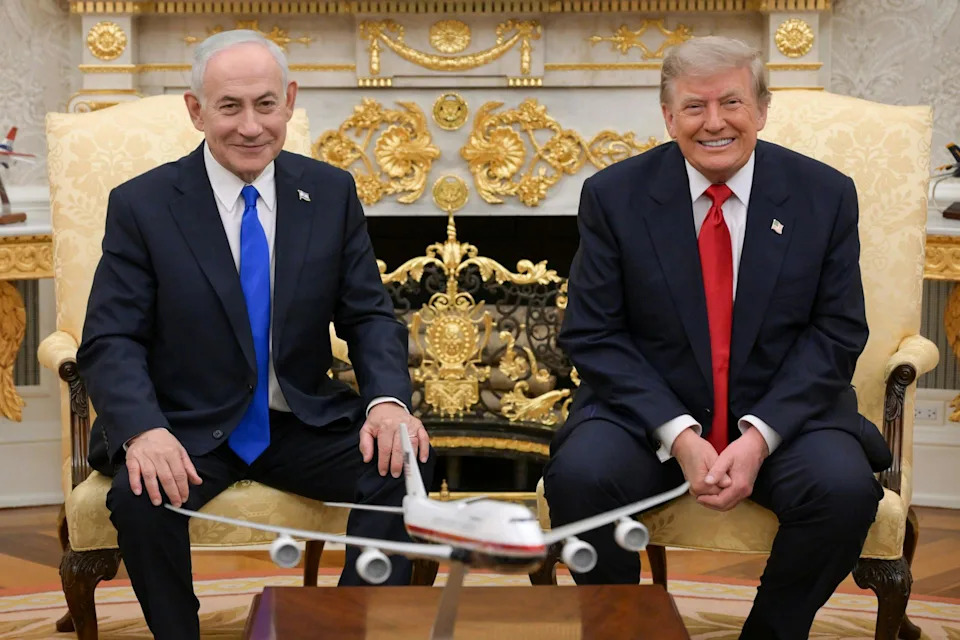
President Donald Trump met with Israeli Prime Minister Benjamin Netanyahu at the White House shortly before the peace road map was released.Maâayan Toaf (GPO)/Handout/Anadolu via Getty Images
On the Israeli side, Prime Minister Benjamin Netanyahu faces deep domestic constraints. His coalition includes hard-right ministers such as Finance Minister Bezalel Smotrich and Settlements Minister Orit Strook, who have urged him to rescind any approval of the plan. With Knesset elections scheduled for Oct. 27 and a reported dip in public support, Netanyahu is politically vulnerable: he cannot fully embrace the Trump-brokered breakthrough without alienating his right flank, yet he also risks rebuffing a high-profile U.S. initiative.
Complications On The Ground
Since the ceasefire began on Oct. 9, 2025, more than 1,100 Palestinians have been killed and Israeli control of Gaza territory has expanded: the "yellow line" behind which Israeli forces had agreed to withdraw from 53% of Gaza has reportedly been pushed so that Israeli control now extends over more than 65% of the enclave. Daily living conditions for Gaza’s roughly 2 million residents have seen little improvement, increasing pressure on Hamas to pursue concessions that could alleviate humanitarian suffering.
Implementation would also require disarming not only Hamas but clan-based arsenals and Palestinian militias funded or coordinated by Israel. Achieving compliance across multiple armed groups and family networks would be a complex, sensitive process with profound implications for Gaza’s security dynamics and for broader Palestinian political life.
What Comes Next
The Board of Peace framework gives parties two weeks to finalize a timetable for disarmament and an end to Israeli attacks. But with sequencing disputed, ongoing strikes, and deep domestic constraints in Jerusalem, the plan faces an uncertain path forward. For many Gazans, relief and reconstruction would be a welcome change; for others, the road map’s limited reference to Palestinian self-determination and statehood underscores how far the political goals remain from realization.
Bottom line: The announced breakthrough is a diplomatic milestone, but it rests on fragile compromises, contested sequencing and heavy political costs for both sides. Unless trust-building measures, clear sequencing and credible international guarantees are secured quickly, the road map risks stalling or unravelling.
Help us improve.





















