
Nigeria has announced a 5.41 trillion naira (≈£3bn) defence package to expand the army from eight to 12 divisions and add about 28,000 troops, aiming to curb a wave of violence that analysts estimate has cost around 10,000 lives during President Tinubu's first two years. The plan includes new regional headquarters in Makurdi, Ilorin, Jalingo and Benin City and comes amid growing attacks by ISWAP, mass kidnappings and communal land disputes. Observers say increased military capacity may help in the short term, but long-term peace will require anti-corruption, judicial reform and better governance.
Nigeria’s £3bn Military Build-Up: Tinubu’s High-Stakes Response to a Deepening Security Crisis
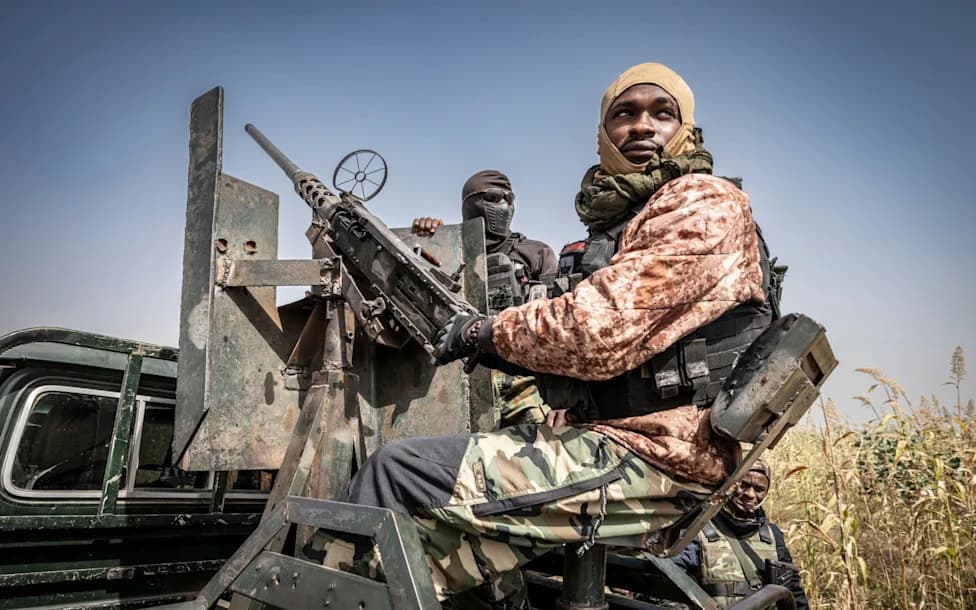
More than 28,000 new troops are to be recruited into the Nigerian military to tackle the multiple security threats facing the country - Simon Townsley
Nigeria is confronting a widening security crisis that officials say has cost roughly 10,000 lives during the first two years of President Bola Ahmed Tinubu's administration. Faced with rising attacks by Islamist militants, mass kidnappings, separatist violence and deadly communal clashes, the government has announced what it calls the most significant expansion of its armed forces in five decades.
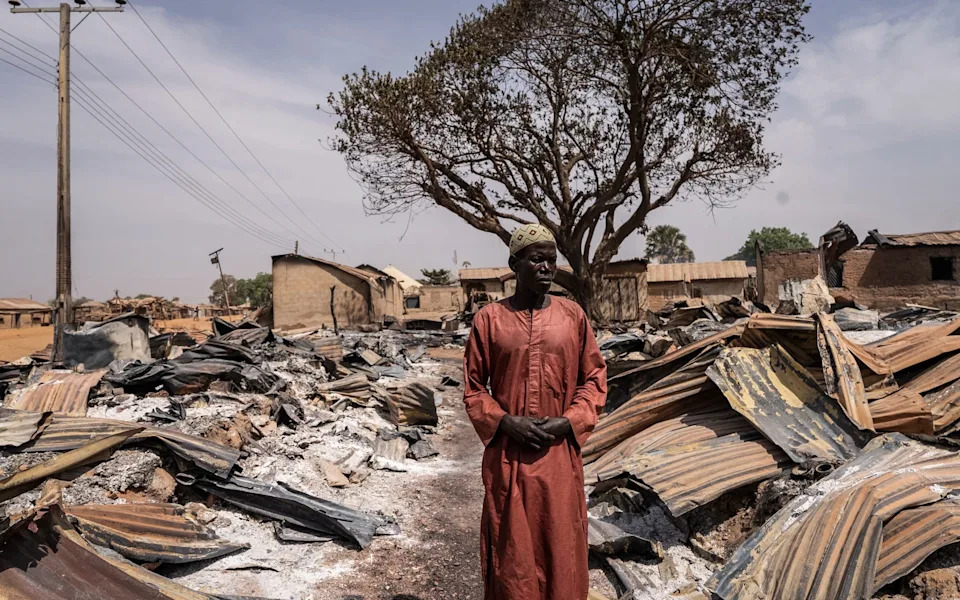
A man stands in the wreckage of homes in Woro, Kwara State, where hundreds of people were killed in February - Light Oriye Tamunotonye/AFP via Getty Images
What the Plan Includes
The 5.41 trillion naira (about £3 billion) package will expand the Nigerian Army from eight to 12 divisions and add around 28,000 troops. The plan also establishes three new army headquarters in heavily affected regions and places new divisions or bases in Makurdi, Ilorin, Jalingo and Benin City. The government says the measures aim to restore security ahead of national elections scheduled for January.
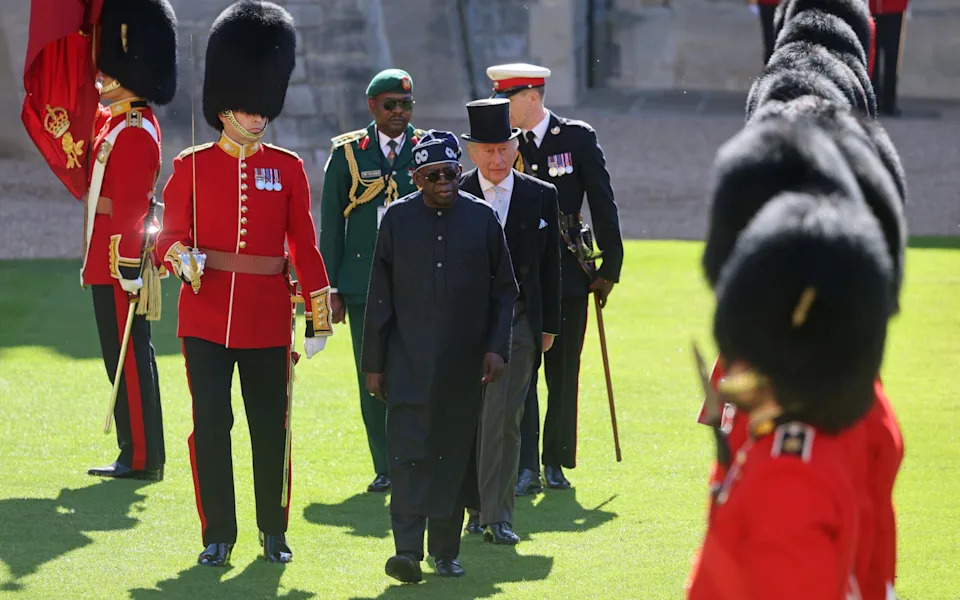
Bola Ahmed Tinubu, the Nigerian president, who faces an election in January, was welcomed by the King at Windsor in March - Chris Jackson/Getty Images
Drivers Of The Violence
West Africa has become a focal point for Islamist violence: factions linked to Islamic State and al-Qaeda control territory across parts of the Sahel and northern Nigeria. Islamic State West Africa Province (ISWAP), a Boko Haram splinter group, has grown bolder since early 2025 and increasingly targets military camps and senior officers, according to the conflict monitor ACLED. The May abduction of more than 40 staff and pupils from a school in Oyo State — including a teacher who was later murdered — underscored how violence is spreading beyond traditional conflict zones.
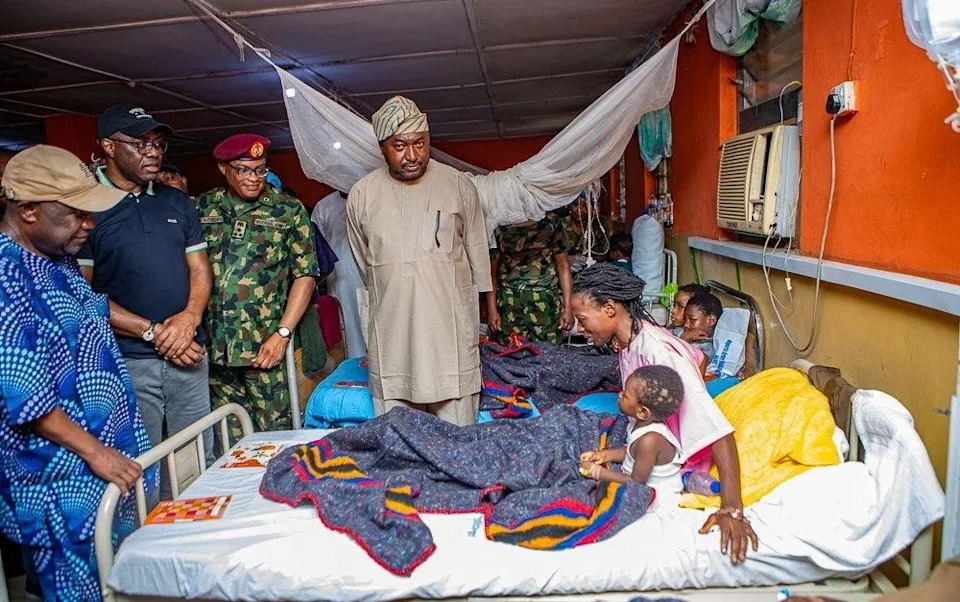
Seyi Makinde, the governor of Oyo State, meets children and teachers rescued after their kidnap in May during a hospital visit last month - Oyo State Government via Reuters
Other Conflict Drivers
Alongside jihadist groups, heavily armed criminal networks commonly referred to as "bandits" carry out mass kidnappings for ransom. There is also an active separatist insurgency in the south-east and recurring, often deadly, clashes over land and grazing rights between largely Christian farmers and Muslim herders. Recent attacks in Kaduna state, which charities say killed about 30 people, highlight how communal and resource-based conflicts add to the national toll.
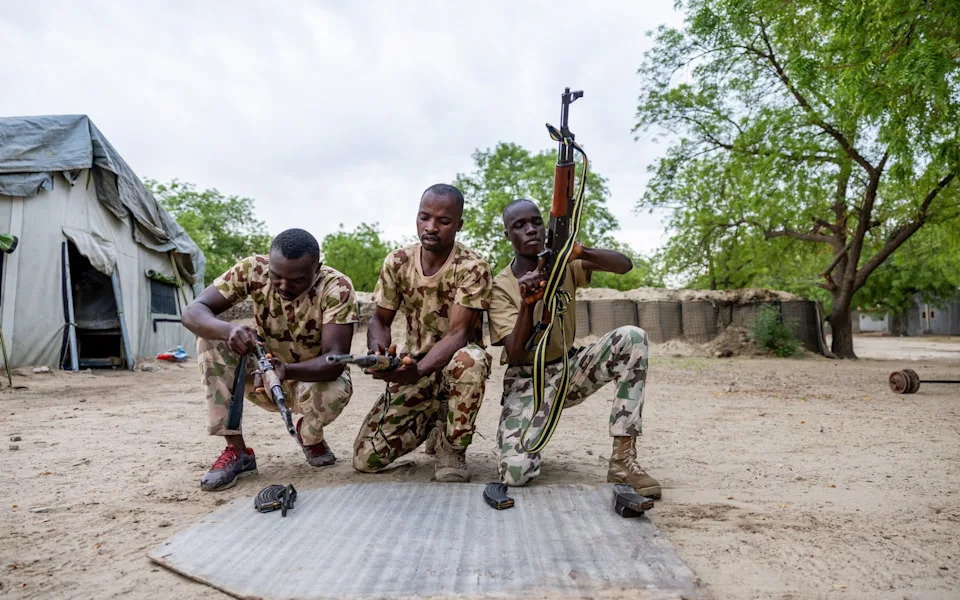
Nigerian soldiers assemble their rifles during training at a military base in Borno state, where attacks are becoming more common - Joris Bolomey/AFP via Getty Images
"You cannot put a price on security," said Miriam Adah, a researcher at ACLED, while warning that military action alone will not fix governance failures such as corruption and weak judicial systems.
International Pressure And Political Context
Pressure from Washington — including public concern among some U.S. politicians about violence against Christian communities — has added diplomatic urgency to Tinubu's security push. The Nigerian government has pushed back against simplistic religious interpretations of the conflict, emphasizing instead the complex mix of criminality, land disputes and insurgency. Still, analysts say international scrutiny and the proximity of national elections both shape the timing of the announcement.
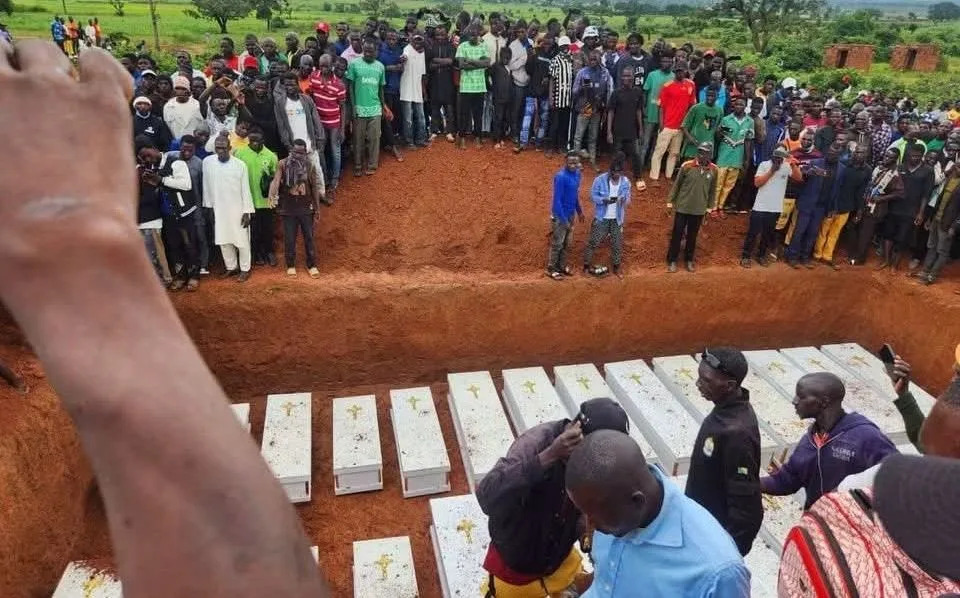
Victims of the killings in a Christian village in Kaduna state last month are buried in a mass grave - Facebook/Steven Kefas
Limits And Challenges
Stockholm International Peace Research Institute (SIPRI) reported a 55% real-terms rise in Nigeria's military spending in 2025, but analysts caution the increase follows years of relatively low defence budgets and that the armed forces urgently need updated equipment and vehicles. Experts stress that while more troops and money can improve responses to armed groups, long-term stability will also require anti-corruption measures, stronger judicial institutions and more effective governance.
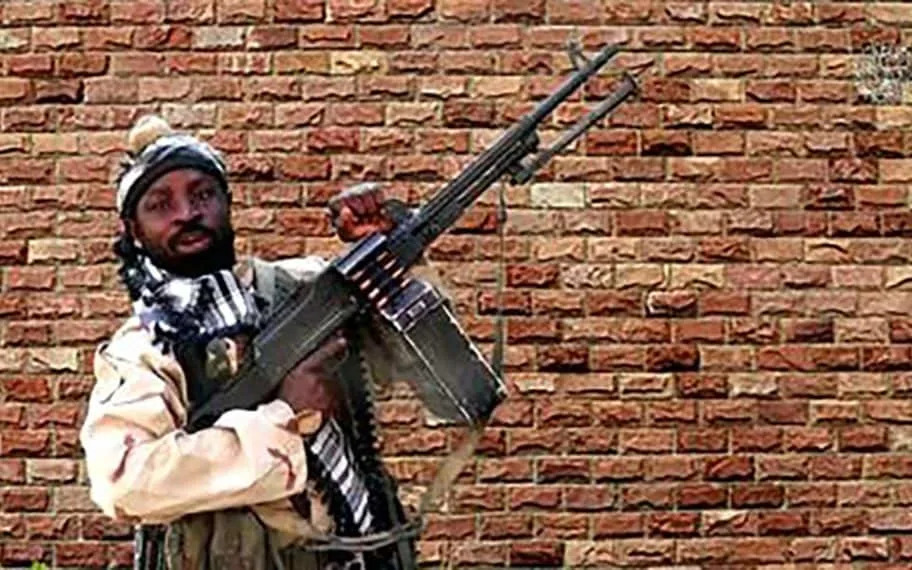
Abubakar Shekau, the late leader of Boko Haram, led the group when it first came to prominence through the kidnap of 300 schoolgirls in 2014 - Handout/Boko Haram/AFP
Bottom line: Tinubu's rapid military build-up is intended to demonstrate decisive action and strengthen operational capacity, but analysts warn it must be paired with broader reforms to address the root causes of Nigeria's violence.
Help us improve.





















