San Francisco's adoption of harm-reduction strategies to reduce the negative consequences of drug use has prompted a fierce local debate after a rise in visible public drug activity and overdose deaths. The city recorded 810 overdose fatalities in 2023 and 4,090 accidental overdose deaths from 2020–2025. In response, the Lurie administration and federal agencies introduced restrictions on some harm-reduction practices, while advocates warn that rollbacks may push vulnerable people further from services.
San Francisco’s Harm-Reduction Experiment Faces Backlash After Spike In Overdoses
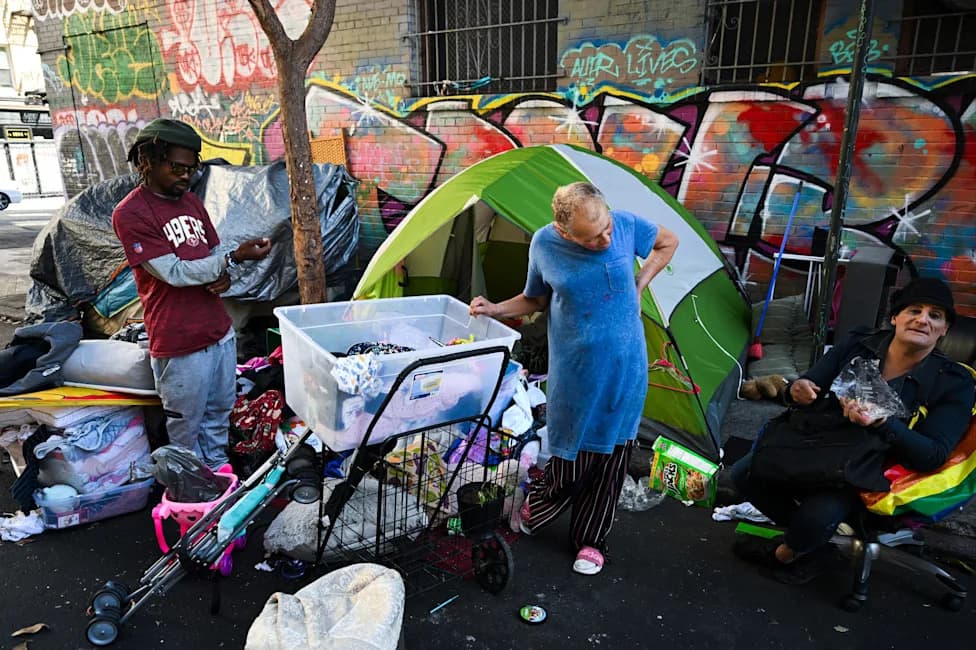
Deliada Valdez, a 64-year-old woman who has been homeless for four years, is seen in the Tenderloin District of San Francisco, California, on Aug. 28, 2023. (Anadolu Agency via Getty Images)
San Francisco's embrace of harm reduction — a public-health approach that aims to reduce the negative consequences of drug use rather than focus solely on eliminating use — has become the subject of intense debate after years of visible public drug activity and rising overdose deaths. Supporters argue the approach protects public health and dignity; critics say it has enabled open-air drug scenes and failed to curb fatalities.
What Is Harm Reduction?
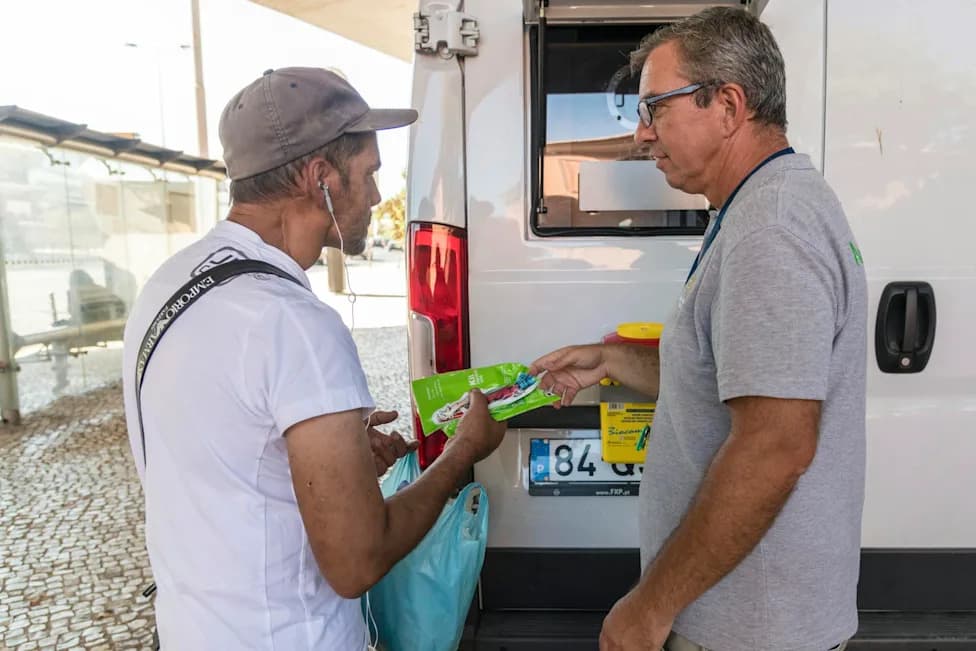
Harm reduction, as defined by the National Harm Reduction Coalition, seeks to "reduce negative consequences associated with drug use" and emphasizes the rights and dignity of people who use drugs. The movement gained traction during the HIV/AIDS crisis of the 1980s, when advocates urged meeting people "where they're at" to prevent disease transmission and save lives.
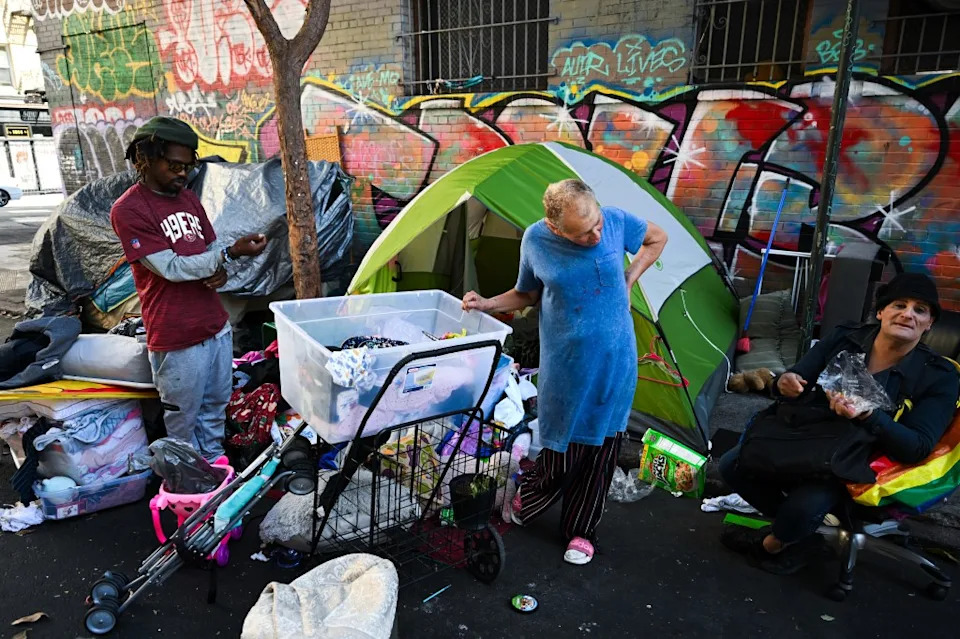
In San Francisco, the so-called "harm-reduction" method of dealing with drug addiction is on the way out. Anadolu Agency via Getty Images
Claims From Supporters And Critics
Proponents point to measures such as syringe-exchange programs, access to overdose-reversal medication (like naloxone), drug-checking services, and low-barrier connections to care as ways to reduce immediate harms and engage people in services. Critics counter that some implementations — especially where drug-use is tolerated in public spaces or where paraphernalia is widely distributed — have coincided with visible public disorder, expanded open-air drug scenes, and fewer incentives for abstinence or long-term recovery.
Local Impact And Data
San Francisco recorded its highest annual total of overdose deaths in 2023, with 810 fatalities. From 2020 through 2025 the city reported 4,090 accidental drug overdose deaths. According to local reporting, nearly one in four of those deaths occurred inside the city's roughly 9,000 Permanent Supportive Housing units, many of which allow on-site drug use. Neighborhoods such as the Tenderloin and the Mission have experienced pronounced public-health and public-safety challenges during this period.
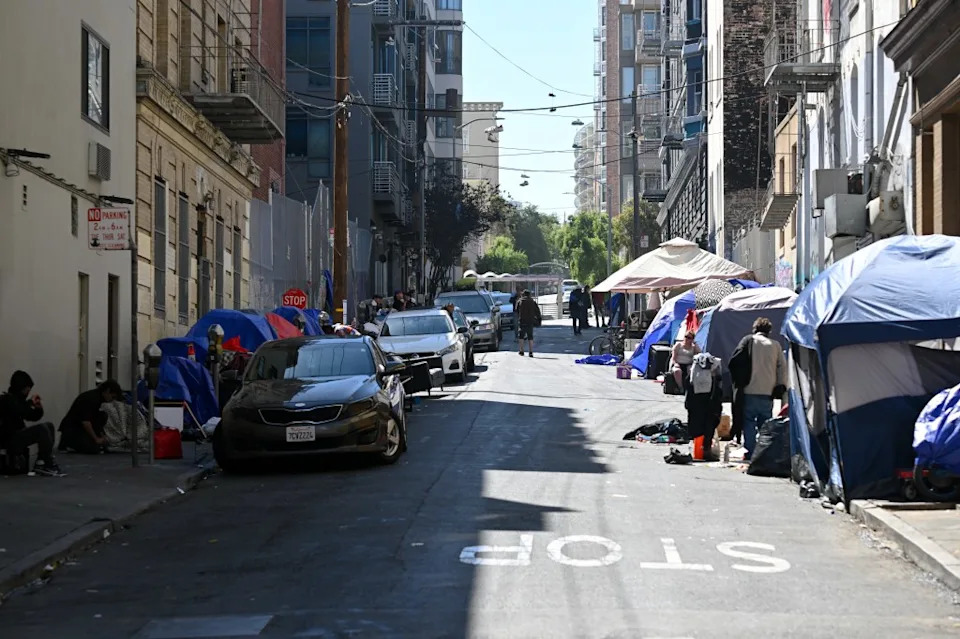
Today harm reduction is in a public-relations free fall. Anadolu Agency via Getty Images
Policy Shifts
Political and policy responses shifted after 2023. Then-Mayor London Breed, a supporter of harm-reduction strategies who considered formal supervised consumption sites, was defeated in the 2024 mayoral election by Daniel Lurie. The Lurie administration introduced the "Breaking the Cycle" plan in March 2025, which limited on-street distribution of drug supplies by requiring most distribution to occur at sanctioned brick-and-mortar sites with accompanying information about counseling and recovery services.
At the federal level in 2025, an executive order titled "Ending Crime and Disorder on America's Streets" led some agencies to restrict funding for certain safe-consumption items. The Substance Abuse and Mental Health Services Administration (SAMHSA) issued guidance barring federal grant dollars from being used for syringes for illicit injection, pipes, and safer-smoking kits.
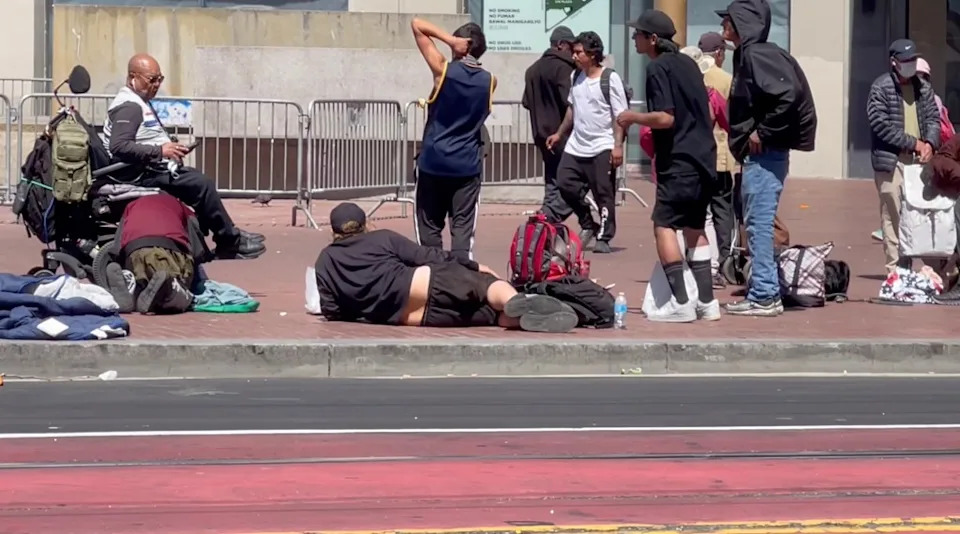
San Franciscans witnessed the ruinous effect of such policies in real time. Marjorie Hernandez / NY Post
Housing And Enforcement
Locally, Mayor Lurie signed legislation on July 29 authorizing the designation of drug-free housing units, a move opposed by some homelessness advocacy groups. Advocates for harm reduction warned that these rollbacks could push people who use drugs further from services; proponents of the changes argue they are needed to improve public safety and reduce neighborhood blight.
What Comes Next
The debate is far from settled. Some harm-reduction activists are expected to adapt their tactics or focus on other jurisdictions perceived as more receptive. Observers say the controversy illustrates the tension between immediate life-saving measures and longer-term goals of recovery and public order. Effective responses will likely require coordinated public-health, housing, and public-safety strategies backed by clear data and community engagement.
Author: Erica Sandberg, independent journalist covering personal finance and current affairs.
Help us improve.