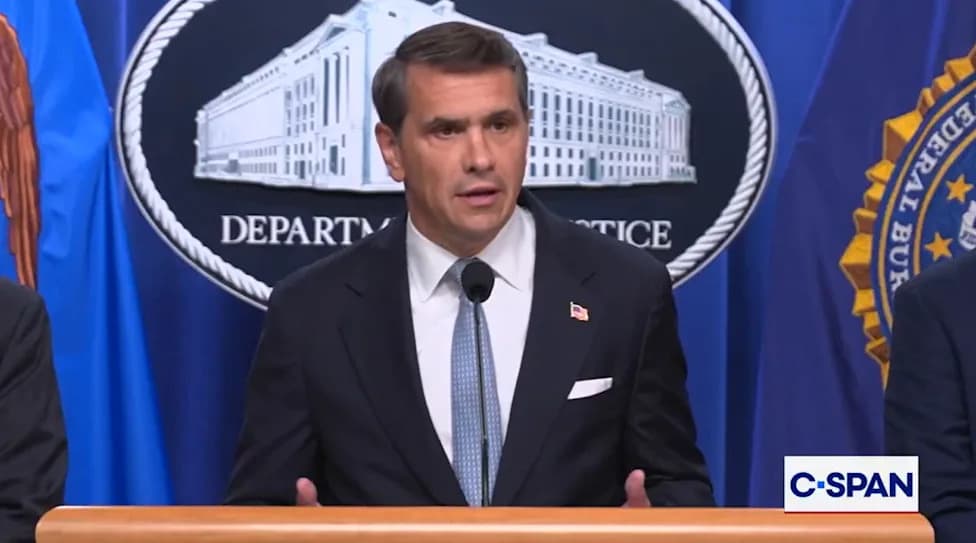
The article argues that Senators John Cornyn and Thom Tillis were misled when they accepted Todd Blanche’s late social-media statements as rescinding a settlement that would have granted Donald Trump retroactive IRS immunity and funded Jan. 6 defendants. Blanche’s posts were not court filings, lacked signatures from all parties, and therefore carry no legal force. The piece warns that Blanche could still be confirmed and attempt to revive the fund or expand immunity, but the courts — likely the 11th Circuit on appeal — will be the ultimate check.
Senate Republicans Back Down After Blanche’s Social-Media Gesture — Why It Won’t Stand Up In Court
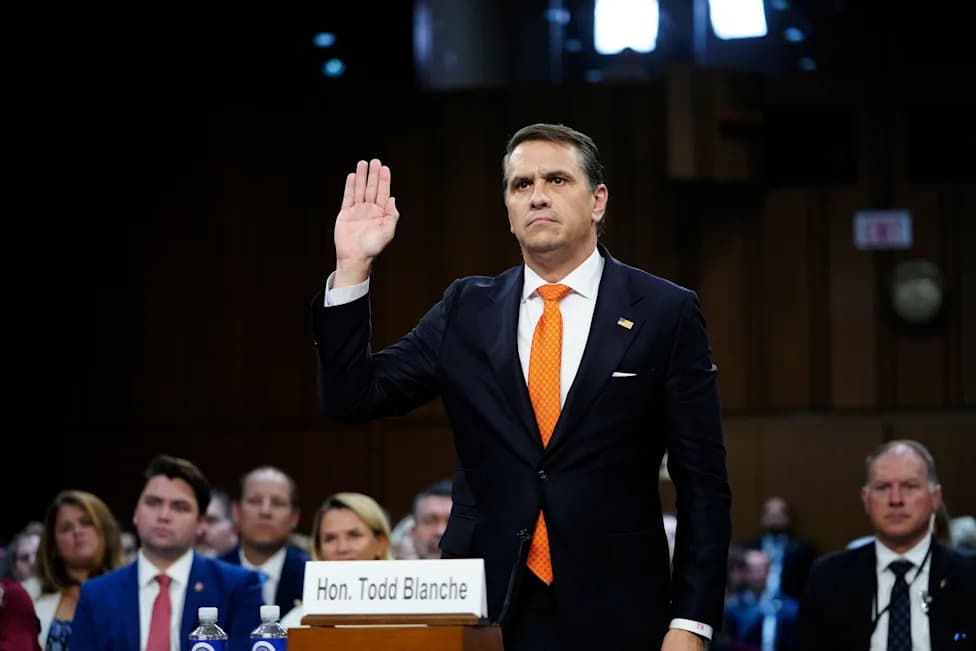
Todd Blanche, nominee for US Attorney General, is sworn in at the start of his Senate Judiciary Committeeconfirmation hearingin Washington, DC, on July 15, 2026.(Jack Gruber, USA TODAY)
Two Senate Republicans, Sen. John Cornyn (R-Tex.) and Sen. Thom Tillis (R-N.C.), withdrew their objections to Todd Blanche’s nomination for U.S. attorney general on Aug. 3 — after Blanche posted two documents late on Aug. 2 that the senators took as rescinding a controversial settlement tied to former President Donald Trump.
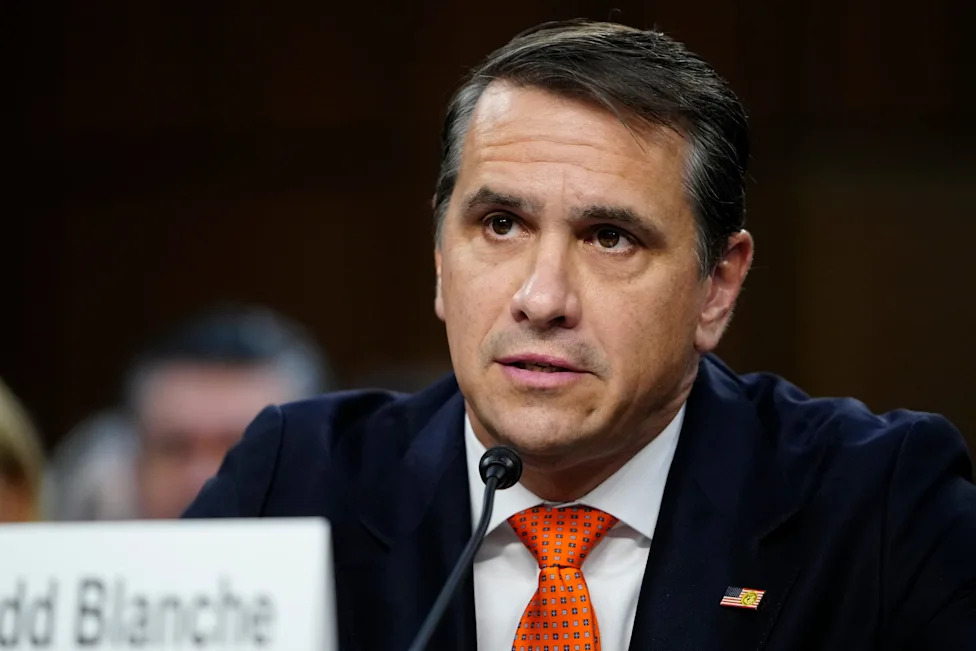
Todd Blanche, nominee for US Attorney General, delivers opening remarks during his Senate Judiciary Committee confirmation hearing in Washington, DC, on July 15, 2026.Since becoming acting attorney general in early April, Blanche has overseen a new Justice Department prosecution ofTrump's former FBI chief, James Comey,and defended the Justice Department's attempt to create an"anti-weaponization fund"that could have paid those convicted of crimes in the Jan. 6, 2021, riot at the U.S. Capitol. Amid bipartisan backlash, Blanche backed off, saying he wouldn't move forward with the fund.(Jack Gruber, USA TODAY)
What Blanche posted
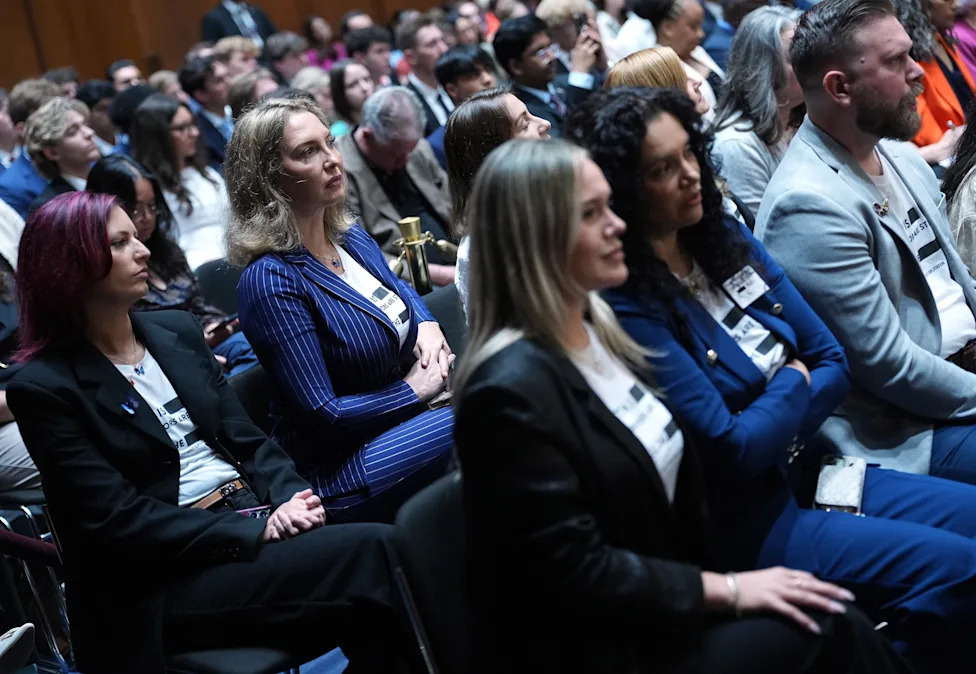
Survivors of Jeffery Epstein's crimes attend the confirmation hearing of acting Attorney General Todd Blanche in front of the Senate Judiciary Committee on Capitol Hill July 15, 2026 in Washington, DC.(Eric Lee, Getty Images)
At 11:09 p.m. on Aug. 2, Blanche published an unsigned Department of Justice memo and a departmental statement signed by him. The memo asserted that Trump’s alleged IRS immunity would apply only retroactively to the May 19 announcement, and the statement said the $1.8 billion fund announced May 18 "is rescinded and shall have no force or effect." In identical Aug. 3 posts, Cornyn and Tillis thanked Blanche for addressing their concerns.
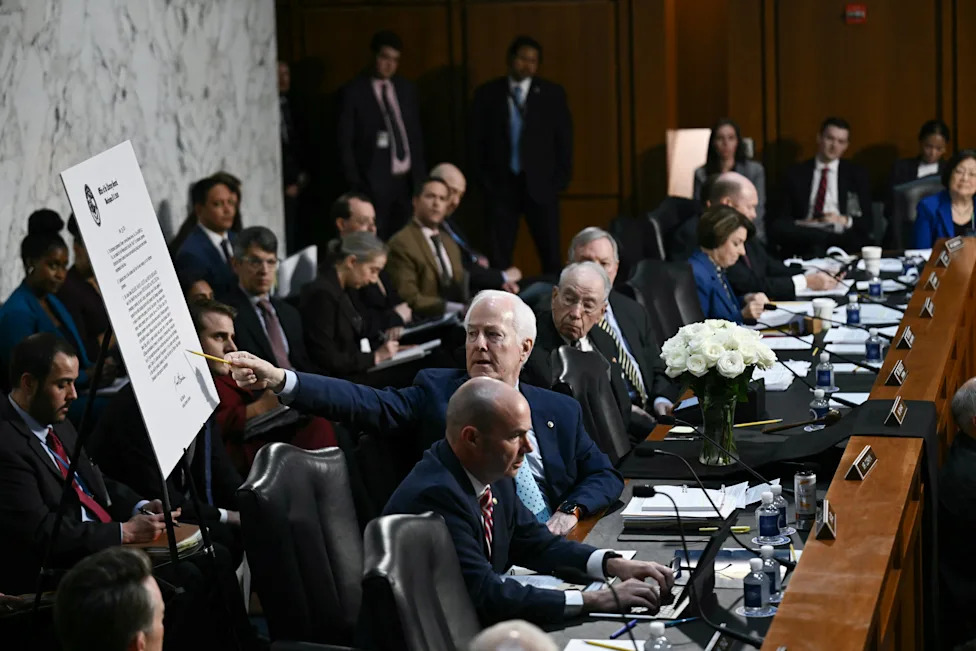
Senator John Cornyn, R-Texas, points to a sign displayed behind him during a Senate Judiciary Committee hearing with acting US Attorney General Todd Blanche on his nomination to be Attorney General, on Capitol Hill in Washington, DC, on July 15, 2026.(BRENDAN SMIALOWSKI, AFP via Getty Images)
Why those papers carry no legal weight
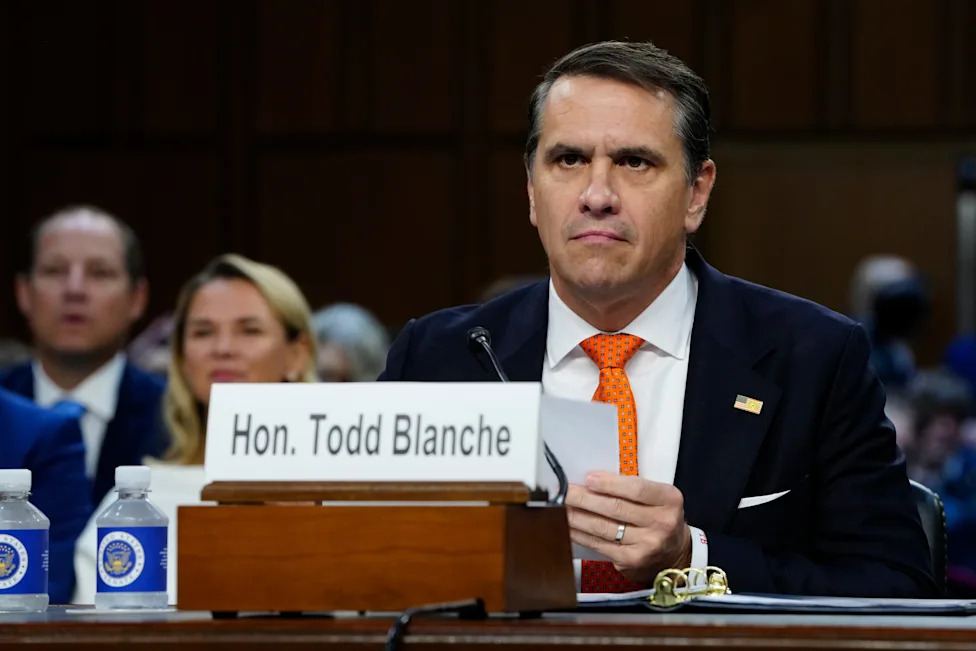
Todd Blanche, nominee for US Attorney General, arrives to testify in front of the Senate Judiciary Committee in Washington, DC, on July 15, 2026.(Jack Gruber, USA TODAY)
Those social-media posts were not court filings, were not presented to a judge, and — crucially — did not include the written agreement of all parties to the underlying settlement. One of the documents Blanche claimed to have amended explicitly says: "This Settlement Agreement may be modified only with the written agreement of the Parties." Federal settlements are changed through proper court filings or signed, enforceable amendments — not unilateral or unsigned social-media statements.
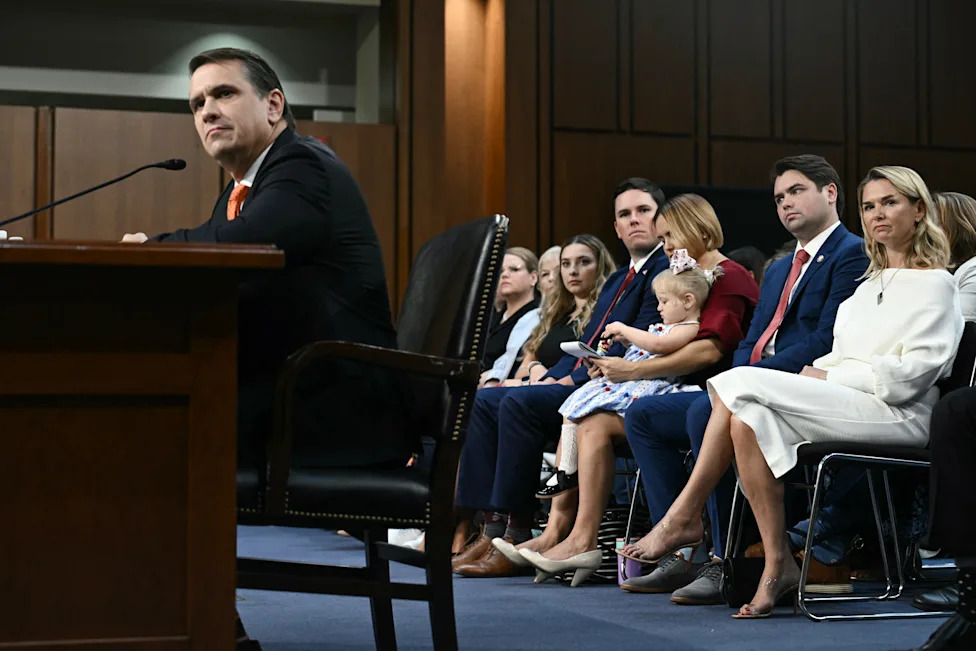
Acting US Attorney General Todd Blanche testifies during a Senate Judiciary Committee hearing on his nomination to be Attorney General, on Capitol Hill in Washington, DC, on July 15, 2026. Also pictured, his wife Kristine (R), his son Justin (2R), his daughter Sydney (4R) and granddaughter Blaine (3R).(BRENDAN SMIALOWSKI, AFP via Getty Images)
Background on the underlying litigation
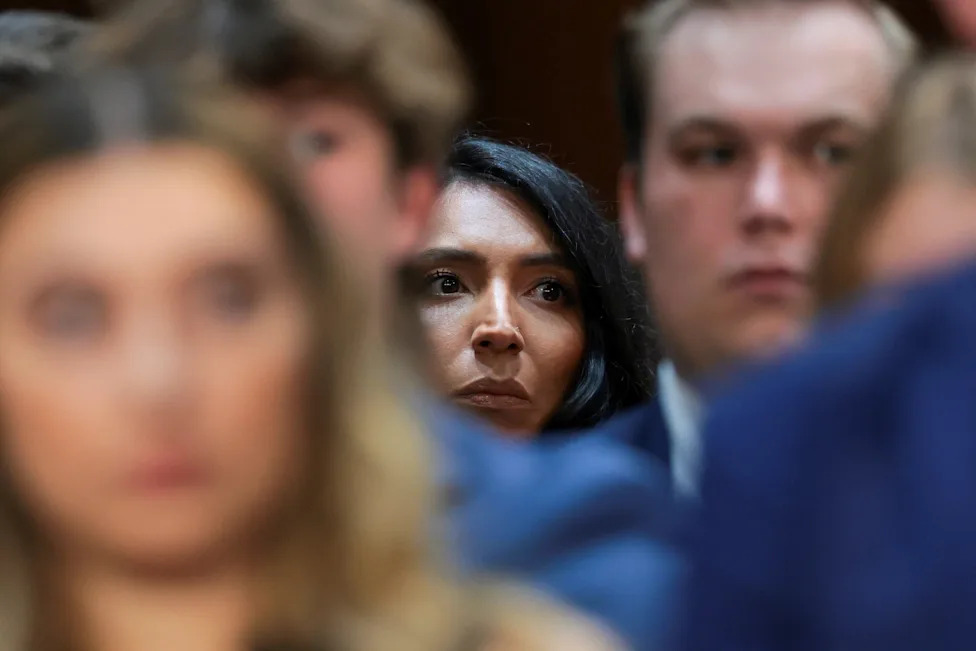
Amanda Roberts, sister-in-law of Virginia Giuffre, sits in the gallery during the acting U.S. Attorney General Todd Blanche's confirmation hearing before a Senate Judiciary Committee on his nomination to be attorney general, on Capitol Hill in Washington, D.C., July 15, 2026.(Jonathan Ernst, REUTERS)
The disputed settlements arose from a January lawsuit Trump filed against the IRS seeking $10 billion over a contractor’s leak of his tax returns. On July 13, the federal judge overseeing the case found the lawsuit was "brought for an improper purpose — to gain the imprimatur of judicial legitimacy for a 'settlement' that had no viable basis in law or fact," a ruling that blocked Trump from enforcing the settlements. Trump filed notice on July 31 that he would appeal.
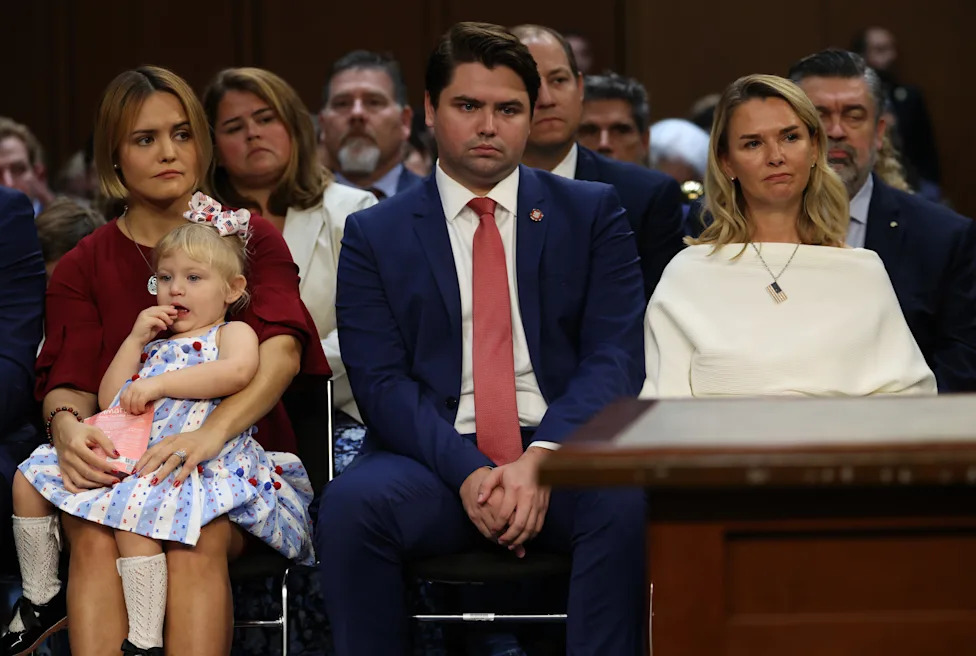
Family members including daughter Sydney, granddaughter Blaine, son Justin and wife Kristine attend the confirmation hearing for acting Attorney General Todd Blanche in front of the Senate Judiciary Committee on Capitol Hill July 15, 2026 in Washington, DC.(Win McNamee, Getty Images)
The political context
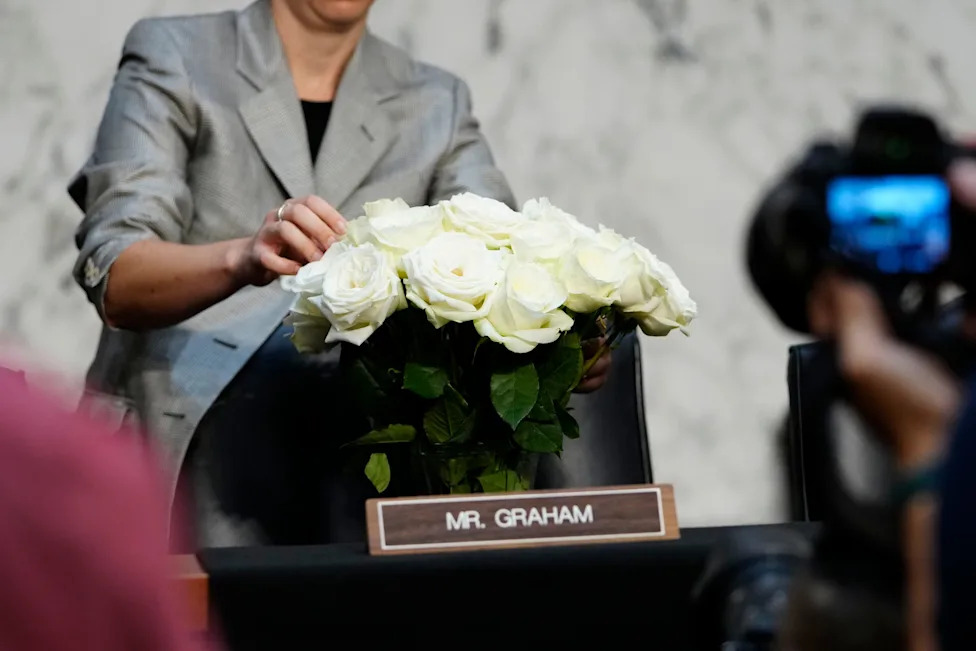
A bouquet of flowers is placed in front of Lindsey Graham’s seat before the start of the confirmation hearing by the Senate Judiciary Committee for acting Attorney General Todd Blanche in Washington, DC, on July 15, 2026.(Jack Gruber, USA TODAY)
Blanche has served as acting attorney general since early April. During that time he supervised a Justice Department prosecution of former FBI Director James Comey and initially defended a proposed "anti-weaponization" or slush fund that could have compensated some people convicted in the Jan. 6, 2021, riot — a plan he later publicly backed away from amid bipartisan backlash.
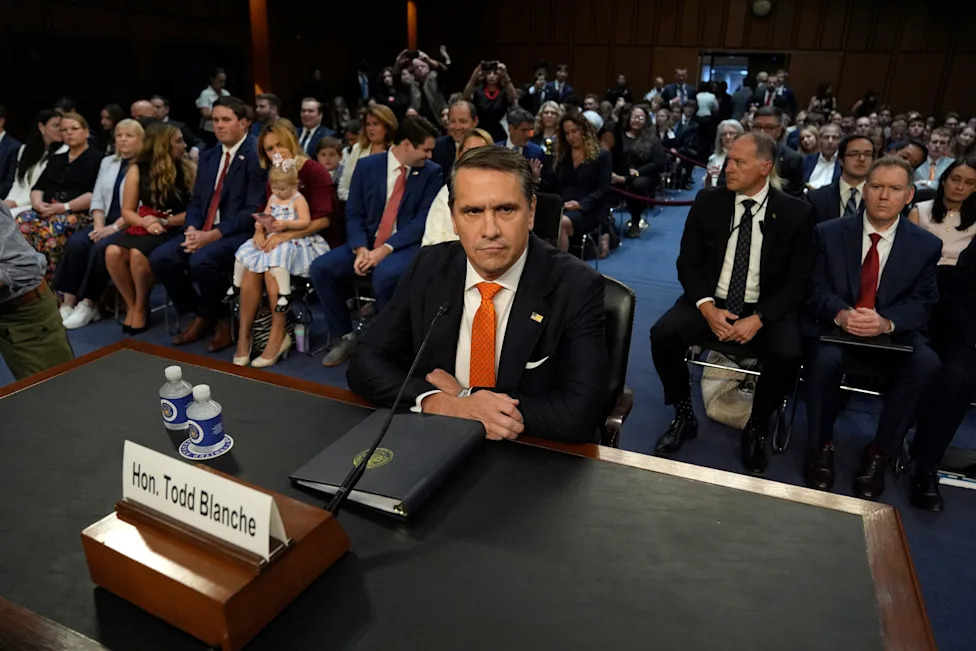
Todd Blanche, nominee for US Attorney General, arrives to testify in front of the Senate Judiciary Committee in Washington, DC, on July 15, 2026.(Jack Gruber, USA TODAY)
Despite the shaky legal footing of Blanche’s social-media statements, President Trump publicly praised the slush-fund idea on Aug. 3 and suggested Congress could codify it into law: "These people were treated horribly, and this fund could have given them some solace," he said, calling the concept popular with some Republicans.
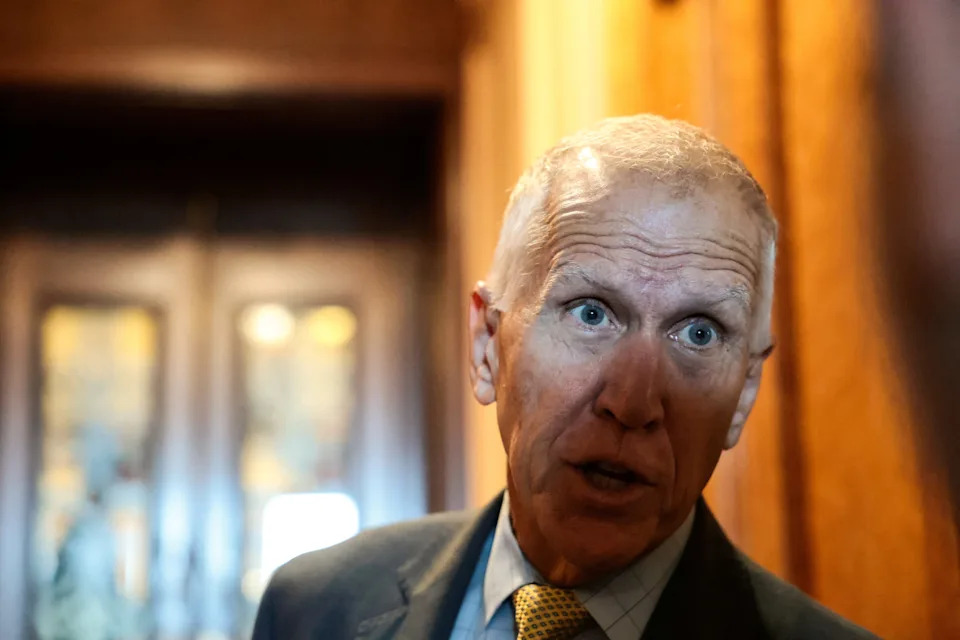
U.S. Sen. Thom Tillis, R-North Carolina, speaks to reporters at the U.S. Capitol in Washington, DC, on July 30, 2026.
What this means going forward
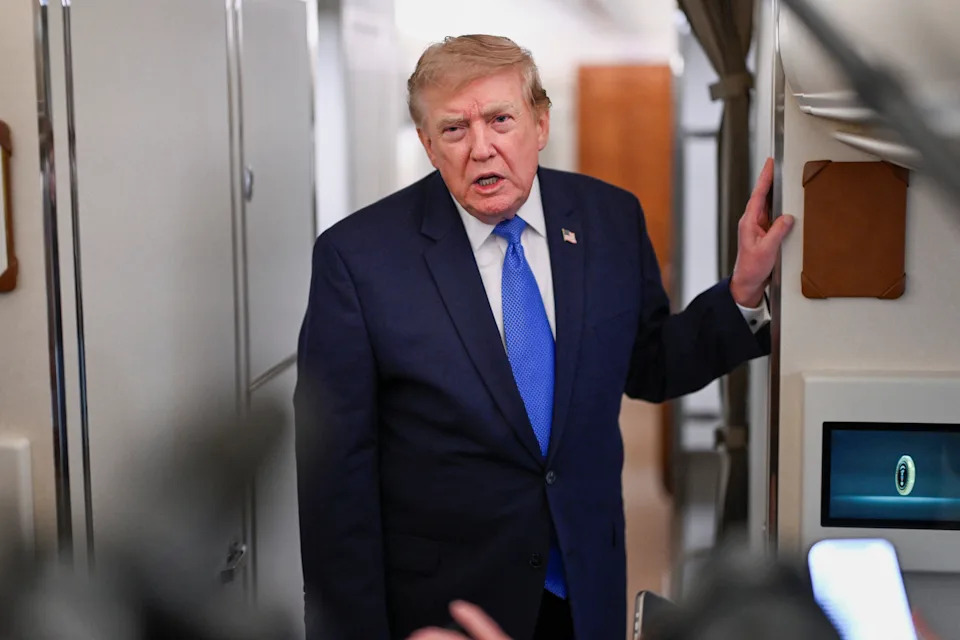
President Donald Trump speaks to reporters aboard Air Force One en route to Joint Base Andrews, in Maryland, on Aug. 2, 2026.
The column predicts Blanche will likely clear the Senate Judiciary Committee on a party-line vote and win confirmation in the full Senate. If confirmed, Blanche could pursue actions favored by the president — including attempts to revive or repurpose the disputed fund or broaden any asserted IRS immunity — though any such steps would face judicial review.
Ultimately, the courts — and notably the U.S. Court of Appeals for the 11th Circuit, where Trump’s appeal will land — will play a decisive role in deciding whether these settlements or any new actions have legal effect. The episode also raises questions about senators accepting political assurances that lack legal backing.
Political fallout for Cornyn and Tillis
The piece highlights the political pressures on both senators: Cornyn is leaving office in January after a primary defeat by a Trump-endorsed challenger, and Tillis is not seeking a third term. The author argues those dynamics help explain why both senators stepped back when Blanche signaled retreat, even though the signal lacked enforceable legal status.
Bottom line
Blanche’s late-night social-media documents soothed two Republican senators but did not change the underlying legal reality: settlements require proper filings and agreements to be enforceable. Confirmation could enable an attorney general aligned with the president to try again — but those efforts will remain vulnerable to court review.
Help us improve.