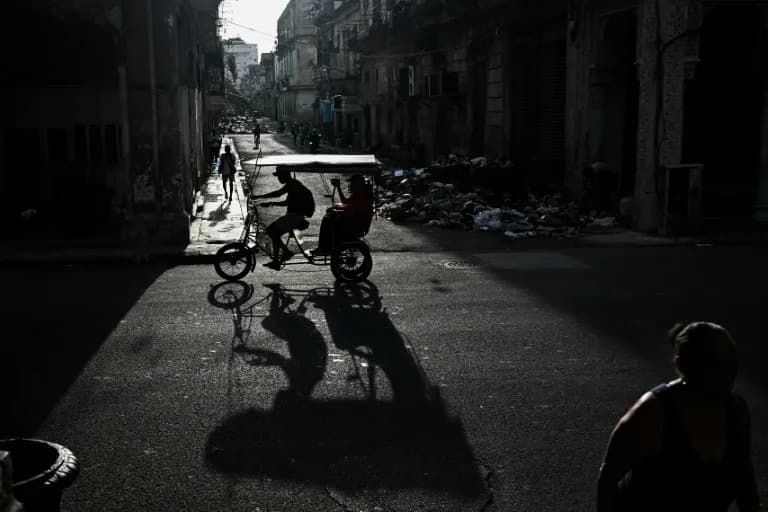
Cuba's state energy company UNE reported a "total disconnection" of the national grid, triggering a nationwide blackout that left Havana and other regions in sudden darkness. Officials blame ageing infrastructure and constrained fuel supplies after tighter US restrictions; a single Russian tanker that arrived in March reportedly exhausted its reserves. The outages are disrupting water supplies, cooling and commerce, while the Ministry of Energy says emergency protocols to restore power are underway.
Cuba Hit By Nationwide Blackout After 'Total Disconnection' Of National Grid Amid Fuel Shortages
Cuba state energy firm reports new nationwide blackout as US embargo continues
Cuba's national power system suffered a fresh collapse on Sunday when state energy company UNE reported a "total disconnection" of the grid, plunging Havana and other regions into sudden darkness.
What Happened
UNE said the national electricity system experienced a full shutdown, marking the latest in a string of total grid collapses and rolling outages that have disrupted life across the island. Just 24 hours earlier, the entire western region had been left without power.
Impact On Daily Life
The outages have had immediate humanitarian and practical consequences: water supplies have dwindled in some areas, ceiling fans and air conditioning have stopped during the summer heat, and refrigeration and business operations have been interrupted. Residents in hard-hit neighborhoods have expressed frustration with street protests, including banging pots and lighting piles of rubbish.

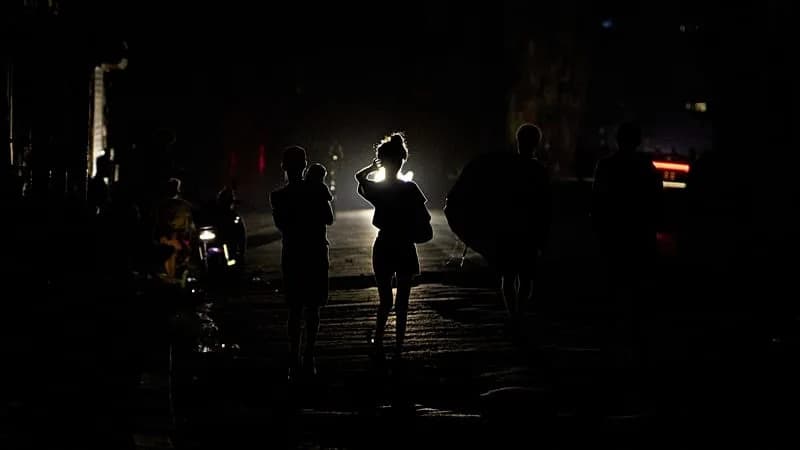
Men sit on a car during a blackout in Havana, 14 July, 2026 - AP Photo
Official Response
The Ministry of Energy said emergency protocols to reactivate the grid were underway but did not provide a precise timetable for full restoration. UNE and local officials warned that ageing infrastructure and limited fuel availability continue to leave the system vulnerable to repeated collapses.
Context: Fuel, Sanctions And Diplomacy
Authorities and analysts point to two main pressures: aging generation and distribution equipment, and constrained fuel supplies after tightened US restrictions. Washington authorised the arrival of a single Russian tanker — carrying about 100,000 tons of crude that arrived in March — and those reserves are reported to be exhausted. The administration has also stepped up sanctions on some Cuban state-owned firms, prompting several foreign companies to suspend or limit operations on the island.
The standoff between Havana and Washington shows little sign of a breakthrough. The US has separately brought legal action, including an indictment against former president Raúl Castro over historic incidents, and diplomatic talks have produced limited progress. In response to the economic strain, the Cuban government has announced a series of free-market reforms intended to stimulate recovery, but their immediate impact on the power crisis remains unclear.
Photo: Residents sit on a car during a blackout in Havana (AP photo, 14 July 2026).
As authorities work to stabilise the system, many Cubans face mounting daily hardship from recurring outages and uncertainty about when reliable power will return.
Help us improve.