Scientists warn that lake whitefish could disappear from parts of the Great Lakes within five years as invasive zebra and quagga mussels disrupt the food web. The mussels filter out phytoplankton, starving juvenile whitefish and the diporeia crustaceans adult fish rely on. Communities — including Indigenous fisheries and commercial ports like Sandusky, Ohio — face major economic and cultural impacts. Managers are testing biological controls, tarps with injected carbon dioxide, and high-pressure removal, but scaling those methods is costly and difficult.
Great Lakes Whitefish Could Disappear Within Five Years as Invasive Mussels Collapse the Food Web
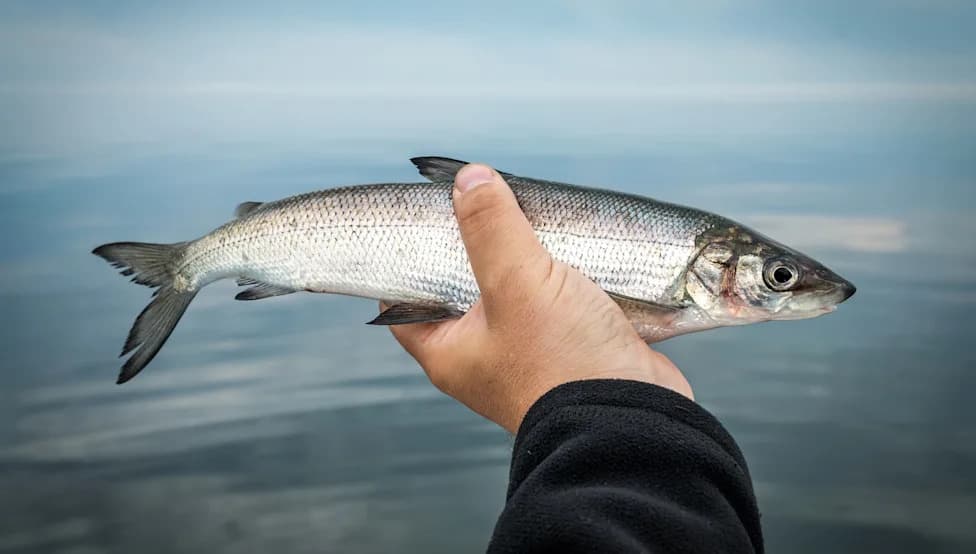
Photo Credit: iStock
Scientists warn that lake whitefish — an iconic Great Lakes species — could vanish from parts of the basin within five years as invasive zebra and quagga mussels alter the food web.
How Mussels Are Driving the Decline
The invasive mussels don't attack whitefish directly. Instead, they filter large quantities of phytoplankton — microscopic algae and bacteria — from the water. That reduces food for juvenile whitefish and for diporeia, a tiny, shrimp-like crustacean that adult whitefish depend on. With fewer plankton and diporeia, far fewer whitefish survive to adulthood.
Where and When the Drop Began
Commercial fishers and researchers first noticed a sharp reduction in young whitefish in Lake Erie in the 1990s. Surveys and monitoring programs show the decline has continued and intensified. A western Lake Erie survey last year warned that if current trends persist, whitefish could disappear from some Great Lakes areas within five years.
Economic, Cultural and Community Impacts
Whitefish are more than a species: they support livelihoods, local economies and Indigenous foodways. Tribal fisheries and long-standing commercial ports such as Sandusky, Ohio are among the communities likely to feel the loss most acutely. William Ortiz of the Little Traverse Bay Bands of Odawa Indians has reported seeing declines firsthand since he began commercial fishing on Lake Michigan in 2015.
What Managers Are Trying
Wildlife managers and scientists are urgently testing a range of responses, though no easy solution exists. Approaches under study and trial include:
- Biological control: A recent study found freshwater drum (sheephead) consumed large numbers of zebra and quagga mussels in western Lake Erie from 2013 to 2023, suggesting drum could help limit mussel populations in some areas.
- Direct removal: In Ohio, officials have trialed heavy tarps placed over patches of lakebed with carbon dioxide injected beneath them to suffocate mussels, and have used high-pressure water jets to dislodge colonies.
- Monitoring and research: Agencies continue to track fish and invertebrate populations and test additional mitigation methods.
These tactics can work locally, but scaling them across the vast Great Lakes would be expensive, technically difficult, and potentially disruptive to other habitat features.
Outlook
Scientists emphasize that recovery will likely require a combination of strategies, strong monitoring, and support for affected communities. While freshwater drum and other control options offer some hope in limited areas, widespread recovery of lake whitefish will depend on long-term, coordinated management and research.
Bottom line: Without effective intervention, lake whitefish populations in parts of the Great Lakes face severe declines within years, with serious ecological, economic and cultural consequences.
Help us improve.