Chancellor John Healey said he will watch supermarket tills and petrol pumps for signs of "price‑gouging" ahead of his first Budget. Retailers and trade bodies responded that fierce competition keeps UK grocery prices among the lowest in Western Europe and blamed recent price rises largely on tax and regulatory costs. The dispute recalls earlier friction over proposed price caps on staples, while the CMA notes supermarkets typically operate on very thin margins.
Supermarkets Push Back as Healey Vows to Crack Down on 'Price-Gouging' Ahead of Budget
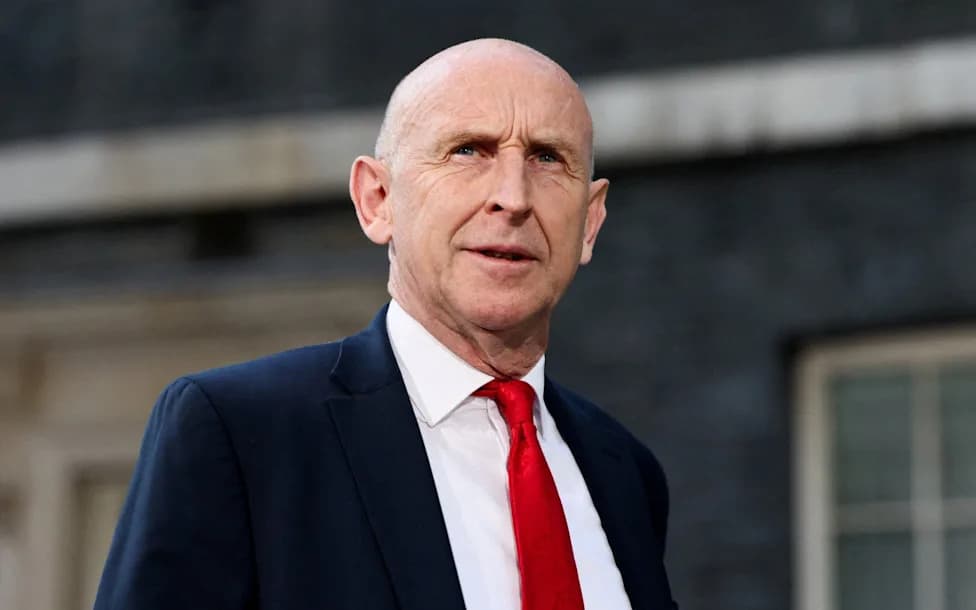
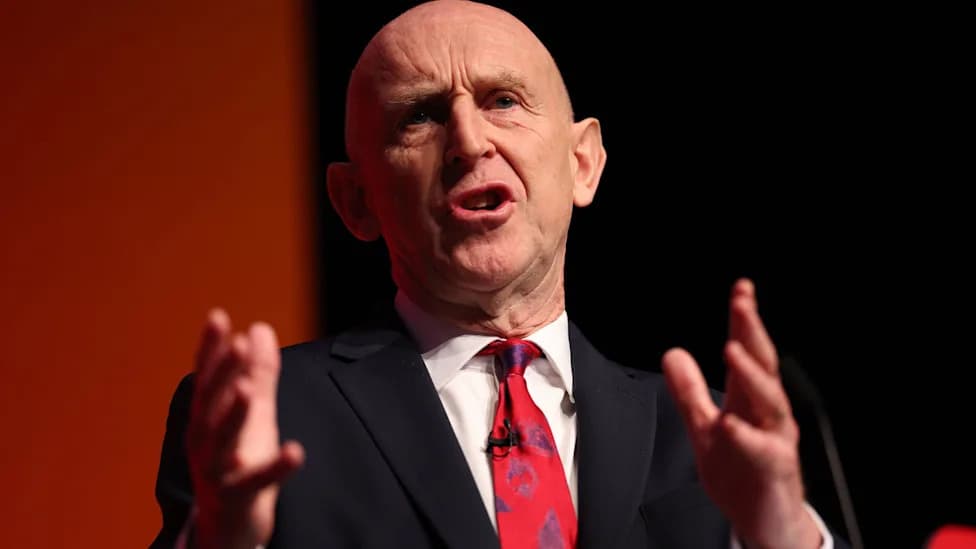
The newly appointed Chancellor has promised to not allow supermarkets to take the public 'for a ride' - Jack Taylor/Reuters
Chancellor John Healey has warned he will monitor supermarket tills and petrol pumps for any signs of “price‑gouging” as international tensions and rising costs put pressure on household budgets ahead of his first Budget.
Retail groups and trade bodies hit back, saying the sector already delivers some of the cheapest food in Western Europe and that recent price rises are largely driven by government-imposed costs such as tax increases and business charges introduced since Labour took office.
Industry Response
Andrew Opie of the British Retail Consortium, which represents chains including M&S, Sainsbury's and Tesco, stressed the competitive nature of UK grocery retailing. He said retailers were striving to keep prices low and pointed to independent regulator findings:
"Supermarkets operate in a highly competitive environment, delivering the most affordable food in Western Europe. The Competition and Markets Authority has repeatedly found that competition — not regulation — is the main force keeping prices down."
Mr Opie urged ministers to consider policy drivers behind recent cost pressures, highlighting higher National Insurance contributions, increased packaging taxes and the failure to reform business rates as significant contributors to price rises.
Political Fallout Ahead of the Budget
The dispute comes less than three months before Mr Healey presents his first Budget. The Conservatives warned the Chancellor's comments could send the wrong message to businesses and discourage investment.
Andrew Griffith, the shadow secretary for business and trade, said:
"Retailing is brutally competitive and prices are rising because of Labour's tax hikes, employment red tape and energy costs. This risks discouraging investment ahead of the Budget."
Mr Healey acknowledged that businesses had generally cooperated and that there had been no widespread evidence of deliberate profiteering to date, but said regulators have the powers to act if necessary:
"Companies' willingness to work with the Government throughout this crisis has been positive, and there has been no significant evidence of so‑called price‑gouging, but I want to be blunt in reassuring the public that our regulators have the powers to clamp down on it if it happens."
Background And Context
The episode echoes an earlier row this year after Labour frontbencher Rachel Reeves floated capping prices on staples such as bread and milk, a proposal that was quickly withdrawn after strong opposition from supermarket executives. Tesco chief executive Ken Murphy said at the time that price regulation was unnecessary because the market is already highly competitive.
Data from the Competition and Markets Authority showed the sector operates on very slim margins: the CMA reported an average operating margin of around 1.8% in 2023, and while margins have recovered slightly since that report, many supermarkets reported falling profit margins over the past year. The regulator also found supermarkets remain the cheapest place to buy petrol.
As the Budget approaches, the standoff highlights wider tensions between government efforts to reassure consumers and retailers' calls for a focus on tax and regulatory drivers of price growth.
Help us improve.