
This week’s science digest spans astronomy, immunology, paleontology and archaeology. JWST found natural explanations for two leading Dyson-sphere candidates, while UCLA research shows creatine gives dendritic cells an energy boost that can strengthen anti-cancer immunity. An Australian fossil captures a three-tier predation event; LIDAR reveals thousands more Amazonian earthworks; simple lighting changes could protect nocturnal insects; and a drug-repurposing framework highlights oxymetazoline as an ageing-research candidate.
This Week in Science: JWST Rules Out Dyson Spheres, Creatine Boosts Cancer Immunity, Amazon Earthworks and More

An artist's impression of a Dyson sphere. (Віщун/Wikimedia Commons, CC BY-SA 4.0)
From space telescopes to rainforest archaeology, this week’s science roundup highlights surprising findings across disciplines: the James Webb Space Telescope has re-examined two of the most compelling Dyson-sphere candidates; researchers report a new role for creatine in anti-cancer immunity; an extraordinary Australian fossil preserves a three-tiered predation event; a large LIDAR survey reveals far more Amazonian earthworks than expected; scientists propose simple fixes to reduce light’s harm to nocturnal insects; and a drug-repurposing framework flags common medicines for ageing research.
JWST Tests Two Top Dyson-Sphere Candidates
The Dyson sphere — a hypothetical megastructure around a star proposed by Freeman Dyson in 1960 — remains a key idea in the search for technosignatures. This week, astronomers used the James Webb Space Telescope’s powerful infrared instruments to re-examine two stars that had shown unusual signals. JWST’s observations reveal that both cases are best explained by rare but natural alignments and astrophysical phenomena, not artificial megastructures, dashing hopes that either target is evidence of an advanced extraterrestrial engineering project.
Creatine Acts As A Backup Energy Source In Anti-Cancer Immunity
Creatine is well known as a supplement that helps cells maintain ATP, but new research from a team at UCLA (published in iScience) shows it has an additional immunological role. Beyond fueling killer T cells, creatine can serve as an auxiliary ‘battery’ for dendritic cells — the immune cells that activate and direct T cells. This backup energy supply helps dendritic cells sustain their support functions and can improve coordinated anti-tumor immune responses.
Australian Fossil Captures A Prehistoric 'Turducken'
Paleontologists described a remarkable fossil from Australia that preserves a three-tier predator–prey sequence: a pterosaur was eaten by a marine reptile, which was then consumed by a larger sea predator. Preserved for more than 100 million years, this fossil offers a rare snapshot of Cretaceous food-web behavior and represents the first clear evidence that some pterosaurs were prey for these marine reptiles.
LIDAR Reveals Vast Network Of Amazon Earthworks
A new LIDAR survey of southwestern Amazonia suggests the Aquiry culture (active roughly 600 BCE–850 CE) reshaped large areas of the rainforest with geometric earthworks. The study estimates the people may have constructed as many as 30,000 earthworks and reached a regional peak population of up to about 3 million around 200 CE — far larger and more complex than previously thought.
Simple Lighting Changes Could Reduce Harm To Nocturnal Invertebrates
Researchers at the Leibniz Institute for the Analysis of Biodiversity Change highlight that more than 60% of invertebrates are nocturnal and vulnerable to artificial light. Bright sodium and LED lighting can disrupt behaviour and ecology. The team suggests practical mitigations — such as changed wavelengths, shielding, dimming, and timing adjustments — that can lower insect attraction while still meeting human safety needs.
Drug-Repurposing Framework Flags Candidates For Healthy Ageing
A collaborative team from Northeastern University and Harvard Medical School developed a framework (reported in Nature Aging) that links existing drugs to clusters of genes and proteins tied to hallmarks of ageing. The approach prioritizes molecules for further testing; one highlighted candidate is oxymetazoline, a compound used in over-the-counter nasal sprays, eye drops, and topical creams, which the authors suggest merits additional investigation in ageing studies.
Watch the weekly video for a visual recap of these stories. ScienceAlert articles are written, fact-checked and edited by humans.

An artist's impression of a Dyson sphere.(Віщун/Wikimedia Commons, CC BY-SA 4.0)
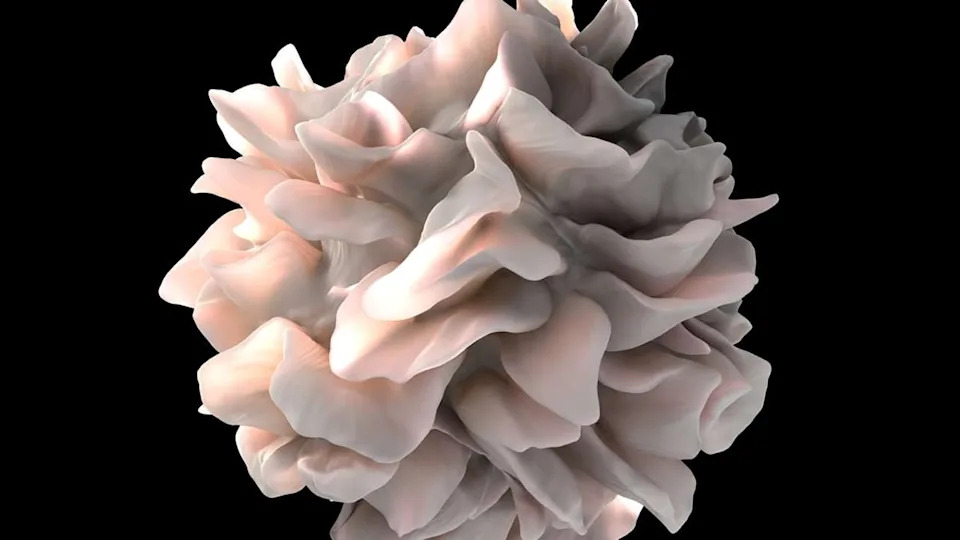
Artistic rendering of a human dendritic cell.(Don Bliss & Sriram Subramaniam/National Cancer Institute)
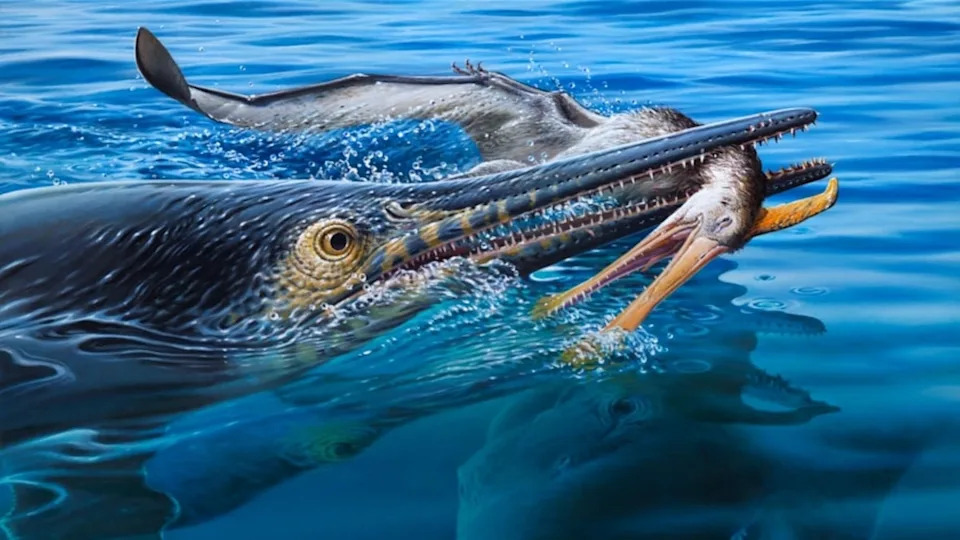
An artist's impression of aPlatypterygiuseating a pterosaur – while a larger predator lurks below. (Peter Trusler)

Subscribe to ScienceAlert's free fact-checked newsletter
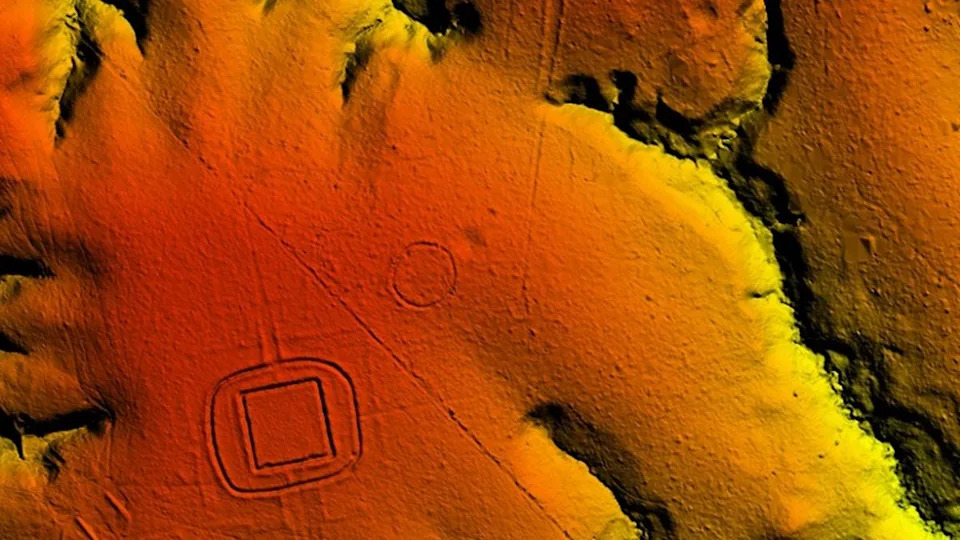
LIDARimage of the Aquiry geoglyph site at Piloto. (© Martti Pärssinen and Fabio de Novaes, supplied)
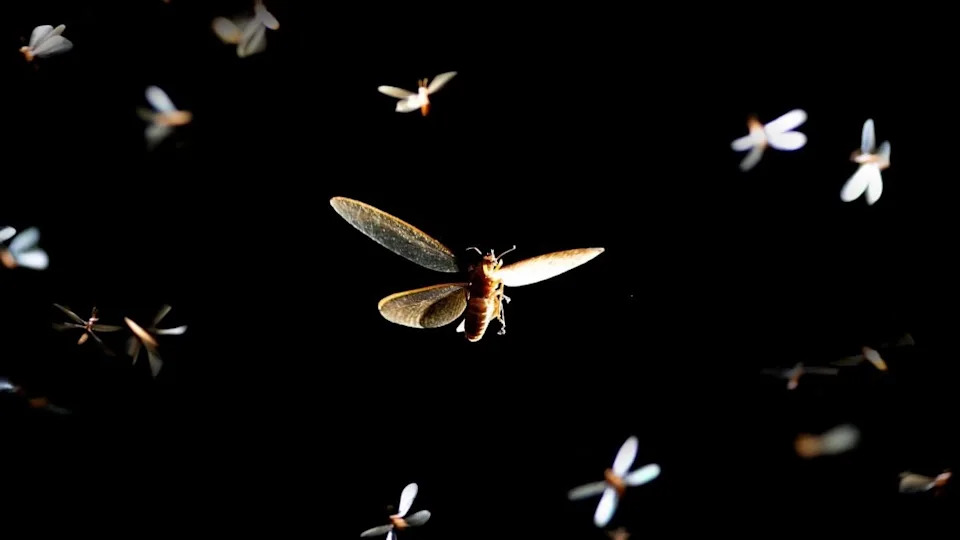
(0802290022/iStock/Getty Images Plus)

(Tatiana Maksimova/Getty Images)

YouTube Thumbnail
Help us improve.





















