
Dr. Anthony Fauci was subject to a congressional hearing largely because he preserved detailed records that enabled scrutiny of pandemic decisions. Meanwhile, government transparency is weakening: FOIA offices have been undercut, ephemeral messaging and nondisclosure proposals threaten record keeping, and legal moves are challenging access to presidential materials. The result is a double standard that undermines public accountability and risks chilling officials from creating records that future oversight depends on.
Fauci Was Grilled Because He Kept Records — How Government Transparency Is Unraveling
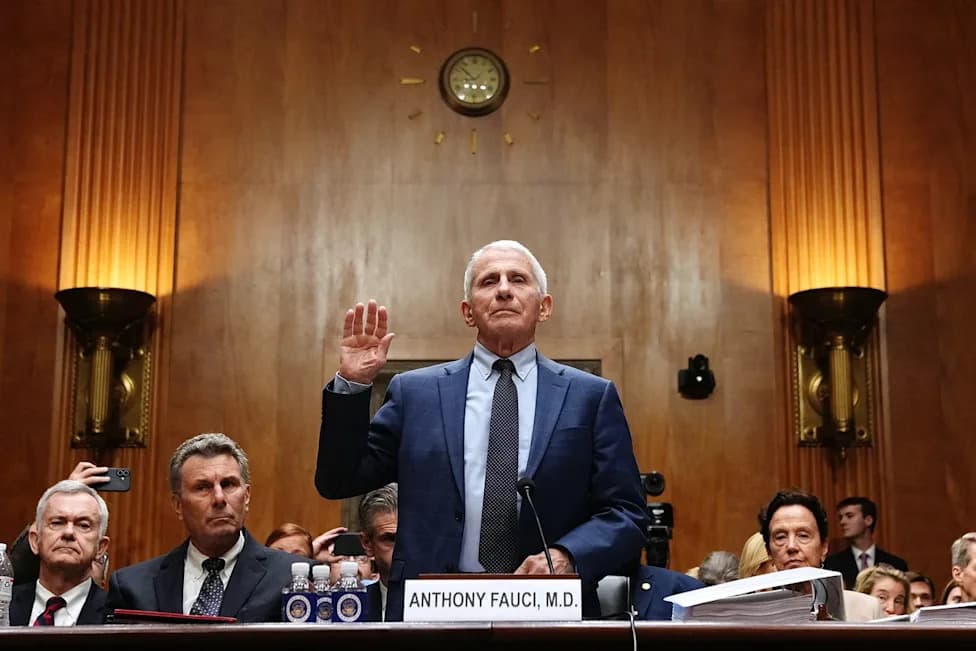
Dr. Anthony Fauci is sworn in before the Senate Homeland Security and Governmental Affairs Committee at the Capitol on July 29, 2026.
Dr. Anthony Fauci's refusal to answer questions at a recent congressional hearing grabbed headlines, but the reason the hearing happened at all was simple: Fauci preserved extensive records that allowed investigators and the public to scrutinize his actions during the pandemic.
Fauci's Diaries and the Hearing
The hearing centered on more than a thousand pages of diary entries Fauci kept between 2019 and 2022, which Senator Rand Paul obtained from Robert F. Kennedy Jr. and published online days before the session. While Fauci called the release an invasion of privacy — a point that deserves careful consideration — many of the entries were stored on government servers or echoed content from Fauci's 2024 memoir and media interviews, weakening claims that they were purely personal.
Selective Disclosure and Nondisclosure Proposals
At the same time the administration made those diaries public, it has been reported to support broad nondisclosure agreements for federal employees that could bar them from sharing exactly the sorts of notes and communications that made the hearing possible. That contrast — publishing some records while seeking to gag employees from producing others — highlights a growing double standard.
FOIA, Agency Resources, and Eroding Capacity
A more measured approach to balancing privacy and public interest would have been to process requests through the Freedom of Information Act (FOIA), where career staff can redact sensitive personal details while releasing matters of public concern. Yet several agencies' FOIA offices — including units at the Centers for Disease Control and Prevention, the Food and Drug Administration, and the National Institutes of Health — have reportedly been weakened, producing slower responses and more withholdings in recent years.
Disappearing Messaging and Record Preservation
Record preservation itself is under pressure. Reports show that some officials across administrations have relied on ephemeral messaging apps or auto-delete features, which circumvent federal record-keeping laws and leave gaps in the documentary record. Other short-lived task forces and offices have operated with little or no public accounting, and officials have sometimes declined to produce after-action reports.
Law Enforcement, National Security, and Presidential Records
Secrecy trends extend beyond day-to-day communications. There are reports that Immigration and Customs Enforcement has resisted broad use of body cameras, even as deaths in custody have raised public concern. At the Department of Defense, proposals to shield "controlled unclassified information" from FOIA could conceal large volumes of records. Meanwhile, the Justice Department has issued a legal opinion challenging the scope of the Presidential Records Act — a move now being contested in court by the Freedom of the Press Foundation and others.
Why it matters: When some records are preserved and weaponized for partisan ends while others are deleted or blocked from release, democratic oversight erodes. Employees may stop documenting decisions altogether, and the public loses the ability to understand and hold officials accountable.
Senator Rand Paul is correct that the government withholds too much information. But true oversight requires consistent application of preservation and disclosure laws, not cherry-picked releases or gag rules. Congress and agency leaders must ensure that records are preserved, FOIA offices are resourced, and that personal privacy is balanced with the public's right to know.
Help us improve.





















