
The article argues that a recent Senate hearing with Dr. Anthony Fauci felt like a replay of 2020, showing that pandemic-era conspiracies and election denialism remain politically potent. Senator Rand Paul revived disputes over hydroxychloroquine and ivermectin and released a trove of Fauci’s contemporaneous notes, after which Fauci invoked his Fifth Amendment right. The piece contends the hearing functioned more as partisan theater than serious oversight and connects it to broader efforts by former President Trump and allies to relitigate the 2020 election and push controversial voting changes.
Fauci Hearing Feels Like 2020 Redux — Why Pandemic Politics Refuse To Fade
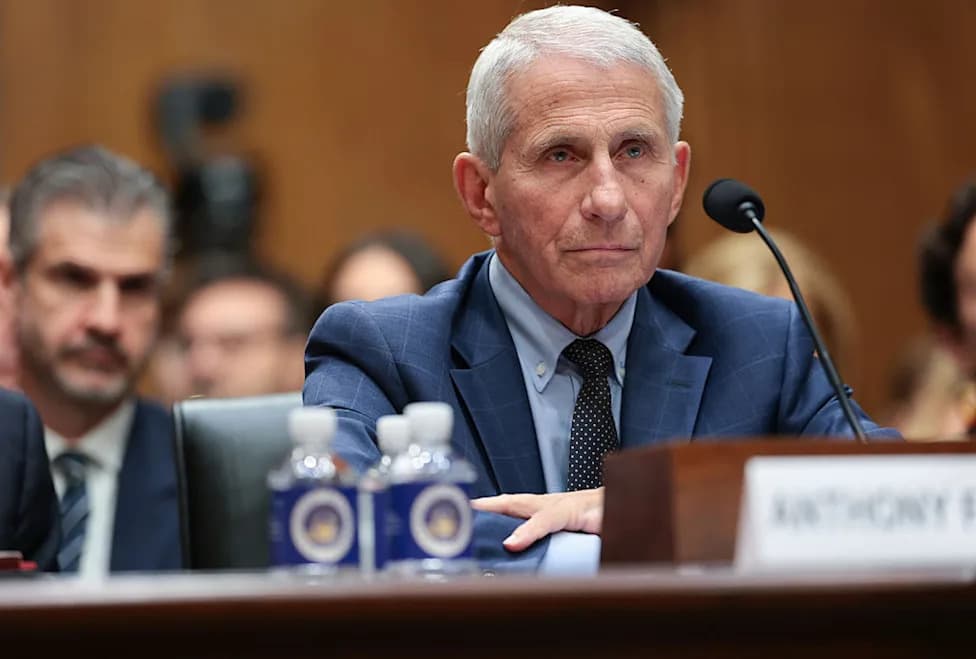
Former National Institutes of Health Director Anthony Fauci Anna Moneymaker/Getty Images
Six years after the tumult of 2020, a recent Senate hearing with Dr. Anthony Fauci felt eerily like a replay of that chaotic year — a reminder that many of the political and cultural battles born in the pandemic era remain alive and influential.
From Dark Humor To Lingering Division
It began with a familiar touchstone: a Match.com ad that cheekily personified 2020 as the devil’s romantic match, pairing pandemic-era absurdities — toilet-paper hoarding, empty venues, dumpster-fire selfies — with Taylor Swift’s “Love Story.” That mix of horror and gallows humor captured the public mood at the end of the year: exhausted relief that the crisis might finally recede.
There were reasons for cautious optimism heading into 2021. Joe Biden had won the presidency, vaccines were becoming available, and many Americans anticipated a gradual return to routines that no longer felt life-threatening. Remote work, video meetings and telehealth became lasting features of daily life.
But Some Battles Never Ended
Yet several disputes hardened instead of fading. The refusal of some to accept the 2020 election results — culminating in the January attack on the U.S. Capitol — and the spread of conspiracy theories about Covid treatments and vaccines produced a political subculture that continued to contest mainstream public health and democratic outcomes.
The Hearing: Déjà Vu In The Senate
That context framed a recent appearance by Dr. Anthony Fauci before the Senate Homeland Security and Governmental Affairs Committee, where Republican members revived questions about hydroxychloroquine, ivermectin and other topics that dominated pandemic debates. Kentucky Republican Rand Paul led the confrontation, revisiting disputes that began early in the crisis.
Paul released a set of contemporaneous notes and documents — described in public accounts as a roughly 1,000-page collection of pandemic-era diaries reportedly obtained from government servers and shared with him by outside sources, including figures aligned with vaccine skepticism. Anticipating that contemporaneous notes might differ from personal recollection, Paul pressed for inconsistencies. Fauci’s counsel advised him to invoke his Fifth Amendment right; he did so, and the hearing devolved into partisan theatrics rather than a productive fact-finding session.
“Who the f**k do you think you were?”
Ohio Republican Bernie Moreno’s coarse outburst at the 85-year-old scientist exemplified the hearing’s tone. Even former President Donald Trump, who remains a central figure in these debates, reportedly said he tuned out before the proceeding concluded.
Claims, Context And Accuracy
Some public narratives have amplified unproven allegations — for example, that Dr. Fauci engineered the virus or that vaccines did more harm than Covid-19. These claims lack credible evidence. While legitimate scientific and policy debates continue — including ongoing inquiry into the virus’s origins — the broad conspiracy narratives are not supported by the weight of scientific or investigative findings.
Reports also circulated that President Biden had considered or was urged to issue a preemptive pardon for Fauci; however, no formal, publicly documented pardon had been issued at the time of reporting. Framing the hearing as an accountability process rather than a political spectacle would better serve public understanding, but much of the session resembled score-settling more than rigorous oversight.
Related Flashpoints: 2020 Replayed
The Fauci hearing was only one symptom of a wider campaign to relitigate 2020. Former President Trump staged a prime-time address in mid-July promising new intelligence about the election; the presentation produced little that was new and was widely assessed as failing to demonstrate foreign or domestic interference that changed the outcome. Meanwhile, Trump continues to push legislative changes — like the SAVE America Act — that critics say would restrict voting access. Senate Republicans have so far resisted moving that legislation forward.
Why It Matters
These episodes underscore a persistent reality: crises can reshape political norms in durable ways. The pandemic catalyzed not only public-health innovations but also durable political grievances and misinformation networks. The recent hearing demonstrated how those forces still shape debates about accountability, public health and electoral legitimacy — and how hard it can be to move past a year that upended so much.
In short, the hearing was less about uncovering new facts than about keeping old conflicts in the headlines. For many observers, the result was a sobering reminder that the most destabilizing impulses of the pandemic era remain politically resonant.
Help us improve.





















