Speculation about Mitch McConnell’s health has prompted calls for Kentucky Governor Andy Beshear to take dramatic action, but aggressive moves like forcing disclosure or calling a special election would be politically risky given Republican control of the state legislature. Beshear has declined such steps and instead urged transparency while noting McConnell’s absence has blocked several harmful votes. Democrats should seize the moment by channeling voter anger into a focused message about Republican obstruction and by prioritizing electoral and policy strategies to replace obstructionist senators.
How Democrats Can Turn Mitch McConnell’s Mysterious Absence Into A Political Opening
How the Democrats Can Benefit From Missing Mitch
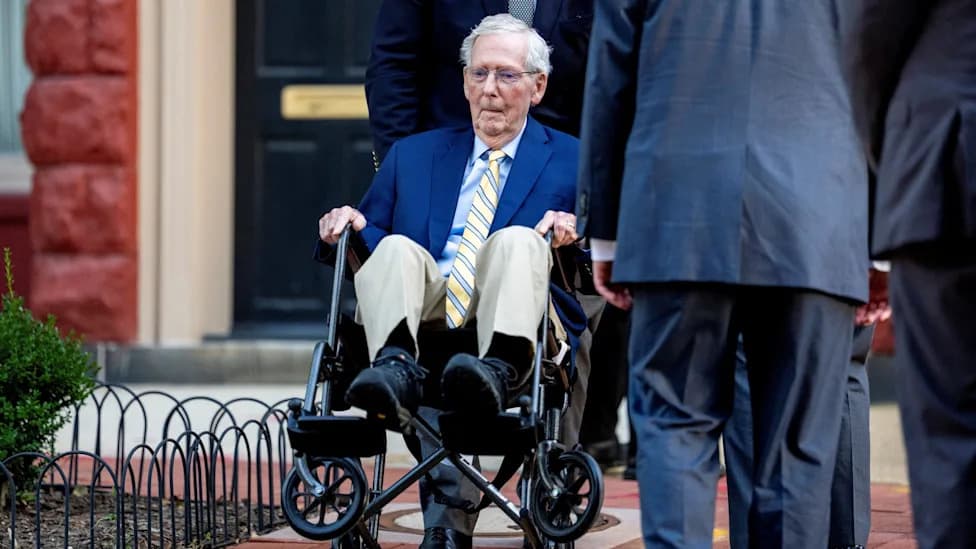
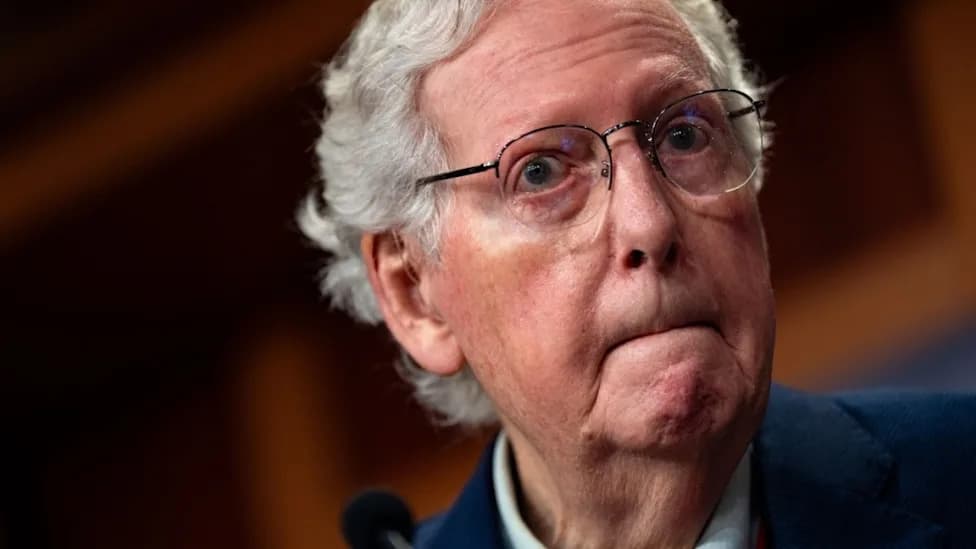
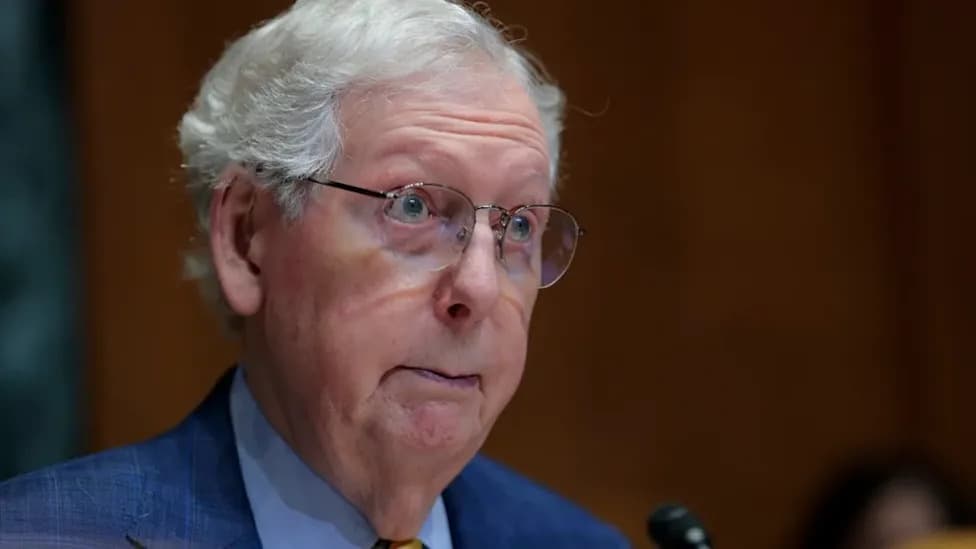
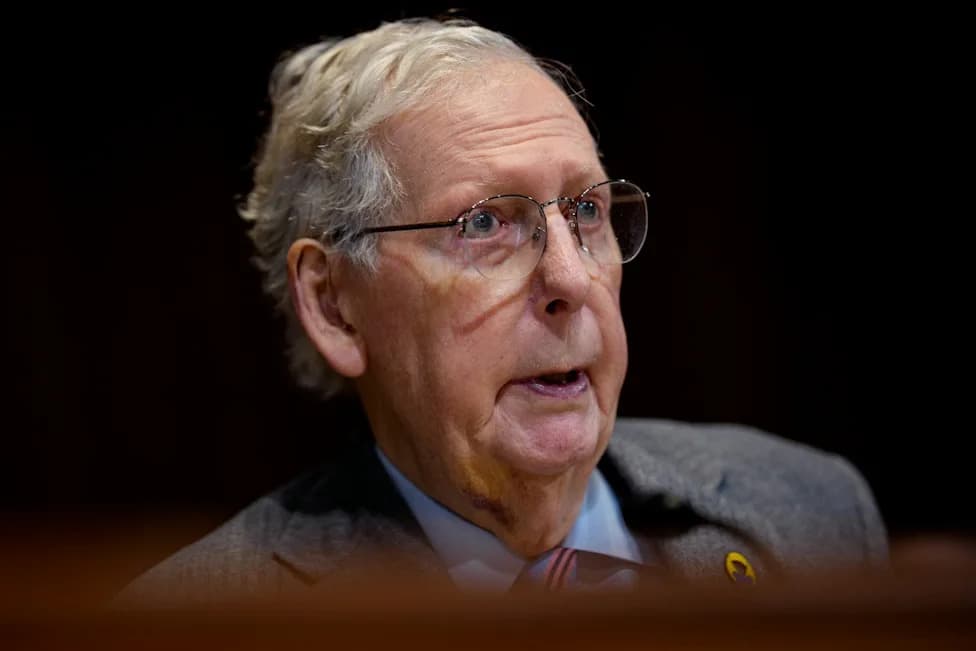
Family group chats and social feeds have lately fixated on a single, macabre question: is Mitch McConnell still alive? While I don't claim clairvoyance, available evidence suggests the longtime Senate leader is alive but seriously ill. Two so-called “proof of life” photos released by people close to McConnell have done little to quell speculation in an era of AI and deepfakes; for now, he remains in a kind of Schrödinger's hospital suite, both present and absent from public life.
Pressure On Beshear — But Big Political Risks
Across social media and in some political circles, voices are urging Kentucky Governor Andy Beshear to take decisive action: demand access, press for transparency about McConnell’s condition, or even declare the seat vacant and call a special election. Those demands are emotionally understandable, but politically and legally perilous.
Critically, Kentucky’s legislature is overwhelmingly Republican. The GOP holds 80 of 100 seats in the state House (where 51 votes are enough to impeach) and 32 of 38 in the state Senate (where 26 votes are needed to convict). Any aggressive move by Beshear risks provoking retaliation — including impeachment — and could cost Democrats an important governor and presidential contender.
“McConnell hasn't been there to vote on the SAVE Act, which would tear voting rights away. He hasn't been there to vote to support this war on Iran ... not having Mitch McConnell show up isn't necessarily a bad thing,” Beshear told Bloomberg TV.
Beshear has declined calls for a special election and has publicly urged McConnell either to disclose his health status or resign — a measured stance that seeks accountability without needlessly risking a partisan backlash at the state level.
What Democrats Should Do
The McConnell episode is emblematic of several larger problems: the opacity surrounding the health of powerful officials, frustration with an aging political class, and the GOP tactics of obstruction that McConnell personified — from refusing a Merrick Garland hearing to leaving a Supreme Court seat open. Rather than pressuring Beshear into a politically hazardous confrontation, Democrats have a clearer, more productive path.
- Channel Public Anger Strategically: Acknowledge voters’ frustration and use it to highlight Republican obstructionism and institutional maneuvers that undermine democratic norms.
- Focus On Policy And Electoral Goals: Make the case for protecting voting rights, fighting anti-democratic changes, and targeting obstructionist senators in upcoming races.
- Frame The Narrative: Emphasize McConnell’s political legacy — the prioritization of power over governance — without descending into gratuitous personal attacks that could undercut the message.
Handled wisely, Democrats can turn resentment into a coherent campaign argument: the tactics McConnell perfected have weakened democratic practice and should be rejected at the ballot box. The GOP may suffer politically from the optics of secrecy and absence — but only if Democrats translate public anger into organization, messaging, and targeted electoral strategy.
Bottom line: Avoid reckless demands that expose Democrats to cheap political reprisals in red states. Instead, use this moment to sharpen the party’s message about obstruction, democratic norms, and the need to replace entrenched obstructionists with leaders committed to governance and voting rights.
Note: This piece adapts reporting and views originally circulated in the TNR newsletter Power Mad.
Help us improve.