Summary: The Cochran case began with the October 2014 disappearance of Christopher Regan and ended with convictions for Kelly Cochran. Prosecutors say Kelly and her husband Jason lured Regan to their home, where Jason shot him and the couple dismembered his body. After Jason’s suspicious death in 2016, detectives used rapport-building and staged psychological tactics to obtain admissions and recover remains. Kelly was convicted of first-degree murder in 2017, later pleaded guilty to charges tied to Jason’s death, and is serving life at Women’s Huron Valley Correctional Facility.
Wedding-Night 'Pact,' A Gruesome Murder And Life Behind Bars: Where Kelly Cochran Is Now
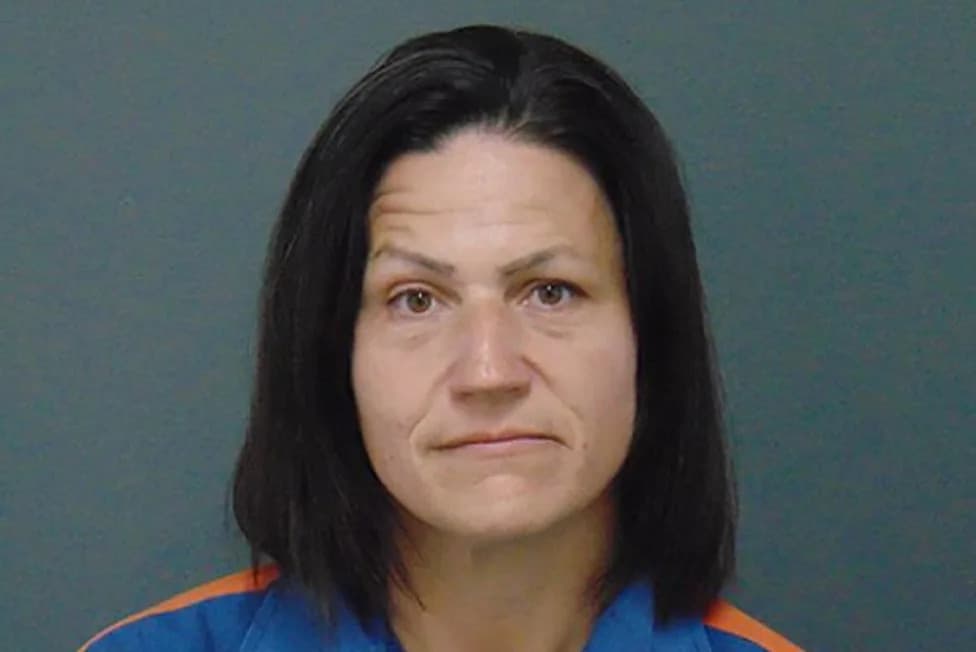
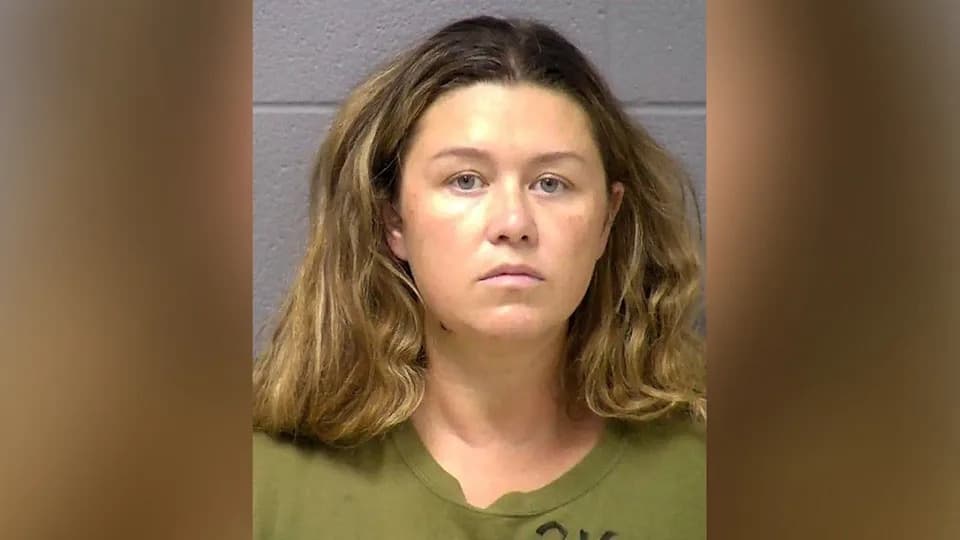
Kelly Cochran.Credit: Michigan Department of Corrections
Kelly Cochran was convicted in a case that stunned investigators and drew national attention: a 2014 killing of her lover, a mysterious death of her husband two years later, and allegations of a chilling “wedding-night” agreement.
Case Overview
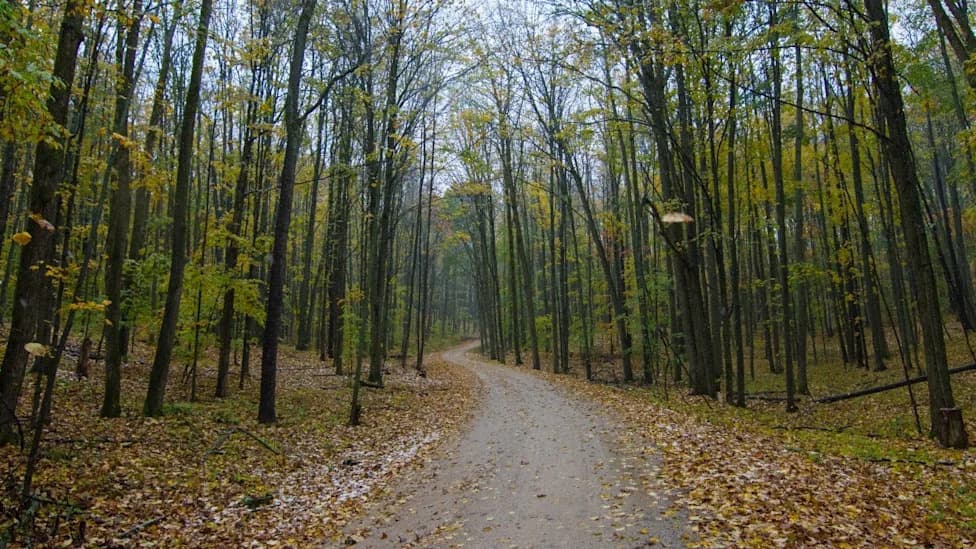
In October 2014, military veteran Christopher Regan disappeared from Michigan’s Upper Peninsula after missing several days of work. Investigators focused on Regan’s relationship with Kelly Cochran, who then lived in Iron River, Michigan, with her husband, Jason. Prosecutors say the couple lured Regan to their home, where Jason shot him and the pair dismembered his body; remains were later found along Pentoga Trail.
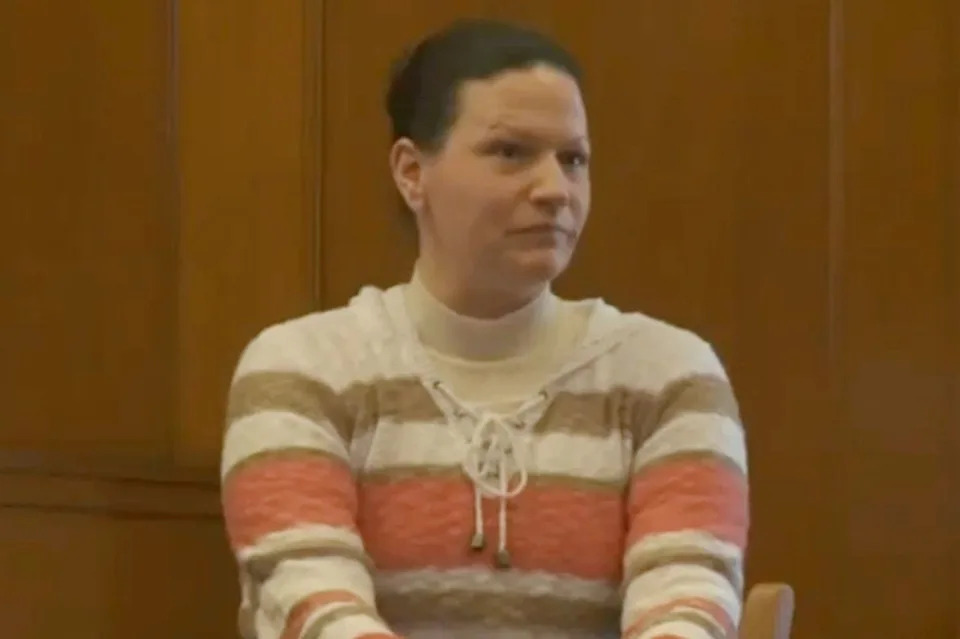
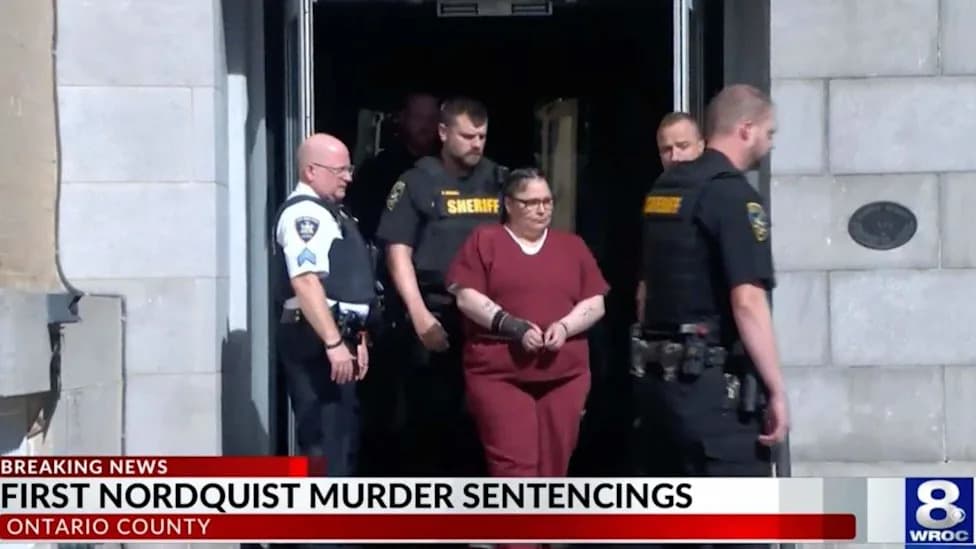
Kelly Cochran during her trial in 2017.Credit: Law&Crime Network/Youtube
Alleged Wedding-Night Pact
A disturbing element in the prosecution’s case was testimony and statements alleging that the Cochrans agreed on their wedding night in 2002 that if either spouse had an affair, the unfaithful partner’s lover would be killed (or the unfaithful spouse would be killed). Kelly acknowledged the discussion at trial but said she believed it was a joke and did not take it seriously.
Investigation And Breakthrough
With no body or murder weapon at first, investigators had limited options. The inquiry took a major turn after Jason Cochran died of asphyxiation in February 2016. An anonymous tip linked that death to Regan’s disappearance and prompted Hobart, Indiana, and Iron River, Michigan, detectives to work together. Hobart detective Jeremy Ogden then conducted a series of voluntary interviews, using rapport-building and staged psychological techniques—such as a fake letter and a carved message—designed to encourage Kelly to speak. She eventually admitted involvement and led investigators to recovered remains.
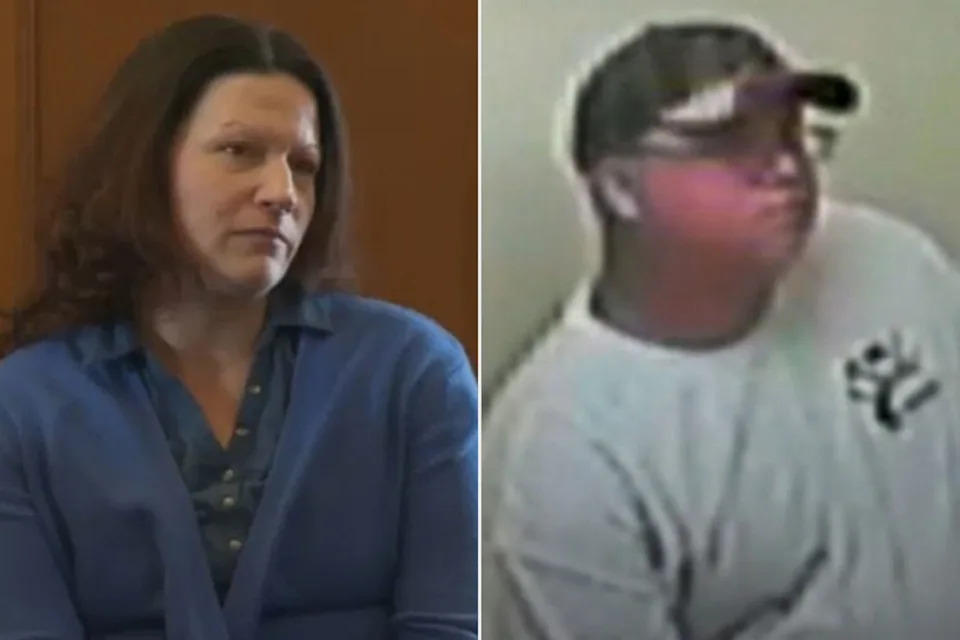
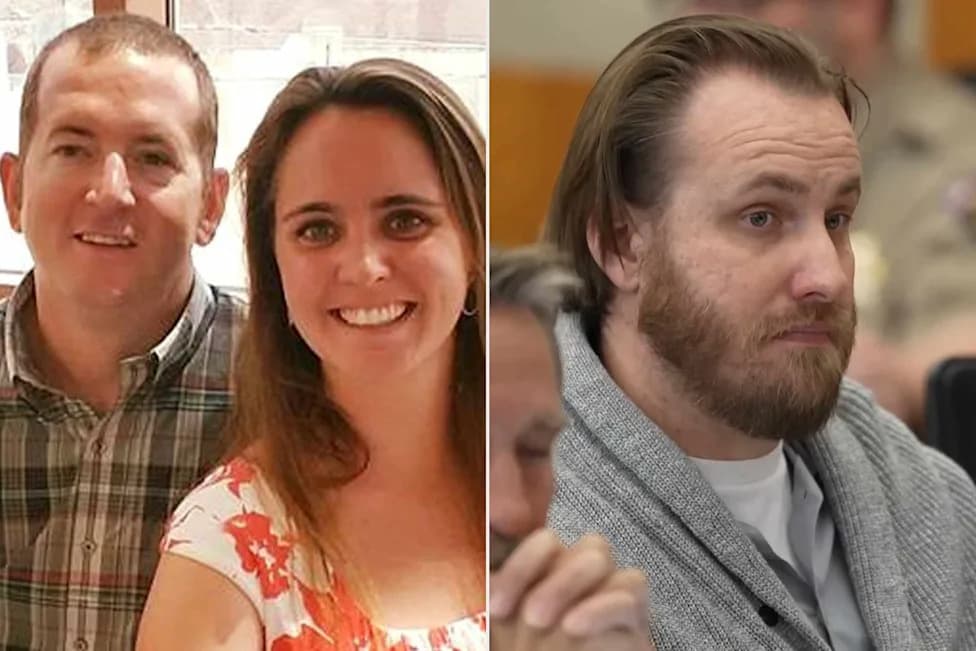
Kelly Cochran; Jason Cochran.Credit: Law&Crime Network/Youtube; Hulu
Trial, Plea And Sentencing
In February 2017, a Michigan jury convicted Kelly Cochran of first-degree murder in Christopher Regan’s death; she was sentenced to life in prison without parole. In April 2018 she pleaded guilty in Indiana to voluntary manslaughter in Jason Cochran’s death as part of a plea deal and received a 65-year sentence. She is serving time at the Women’s Huron Valley Correctional Facility. Appeals in 2019 and 2020 were unsuccessful.
Rumors, Retracted Claims And Media Coverage
The case generated lurid rumors—claims that the Cochrans had multiple victims or that they served remains to neighbors at a barbecue—but authorities say those allegations were unsubstantiated and were not part of the prosecution’s case. In a 2023 ABC News/20/20 prison interview with Juju Chang, Kelly denied killing anyone and maintained she had been coerced and feared her husband.
"I'm not a bad person. I was raised by good people. I've never harmed anybody," she told the program, while asserting that Jason dismembered Regan and that she had been tied up and unable to stop it.
The Cochran case remains a stark example of an investigation built slowly from circumstantial leads, forensic recoveries and psychological interviewing that ultimately produced convictions and lengthy prison terms.
Help us improve.