Governor Gavin Newsom allowed a select group of journalists to view four years of his tax returns in a closed session but did not make the documents publicly available or permit copying. Access was limited to certain outlets, which published under an embargo at 10 a.m. Friday, while other news organizations were excluded. Critics say the controlled process—coming amid a reported federal inquiry and ahead of potential 2028 ambitions—looks like a staged disclosure and call for an unconditional public release.
Gavin Newsom’s Tax-Return 'Release' Was a Controlled Disclosure That Undermines Transparency
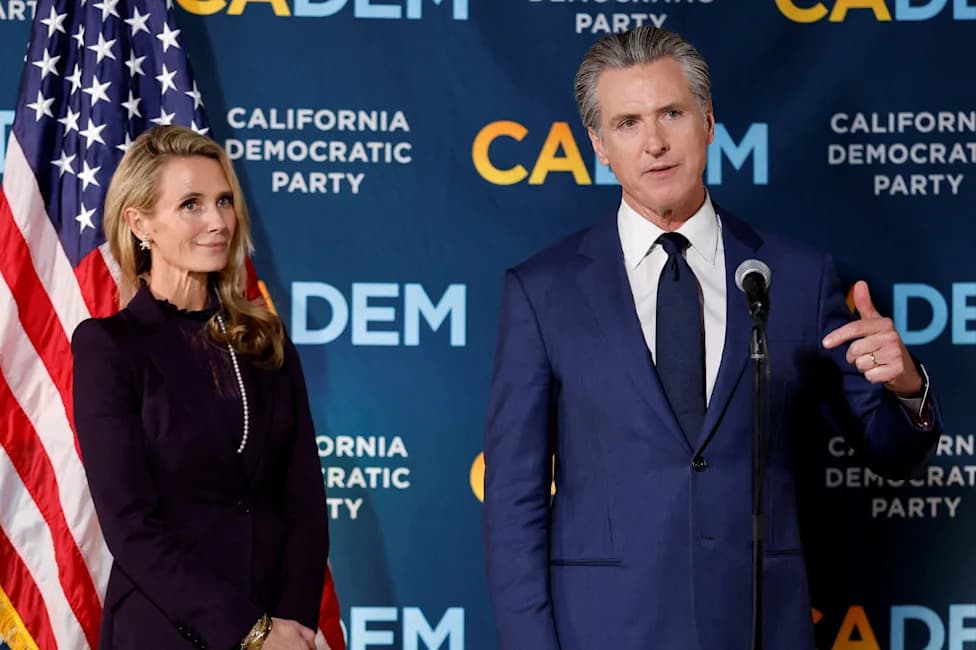
California's Governor Gavin Newsom speaks next to his wife Jennifer Siebel Newsom after California's special election on Proposition 50, a measure that would temporarily redraw congressional districts, in Sacramento, California,...
California Governor Gavin Newsom said he would "release" his tax returns. What followed, critics say, fell well short of a true public release.
On Thursday, the governor's office permitted a small, handpicked group of reporters to view several years of his tax returns in a closed session. Journalists were barred from copying or publishing the documents themselves; they were allowed only to take notes.
Access was limited to selected outlets — including KCRA, The Associated Press, The New York Times and Politico — and those organizations coordinated publication of their reporting under an embargo, with findings released at 10 a.m. Friday. Other news organizations that had sought the records, including The California Post, were excluded.
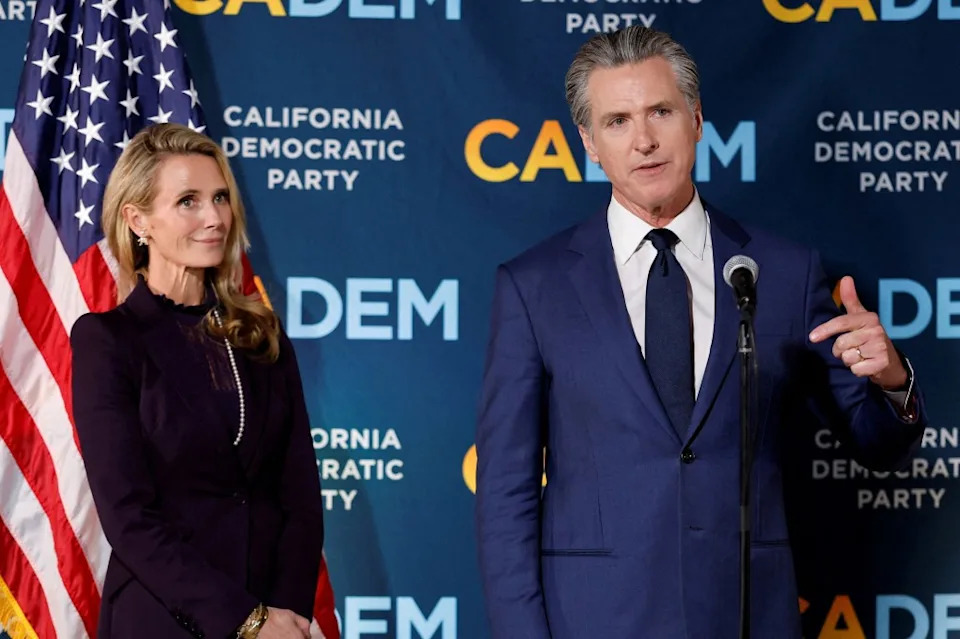
Gavin Newsom promised to "release" his tax returns. He did no such thing. REUTERS
Why Critics Call It a Staged Disclosure
Critics argue the process was a managed, staged event rather than an open disclosure. By restricting who could inspect the returns, forbidding copies, and timing the coverage under embargo, the governor's office retained control over how the information reached the public.
“Governor Newsom is the first Governor in California history to publicly release tax returns covering every year of his tenure in office,” wrote Izzy Gardon, who manages the governor’s @GovPressOffice account on X. But that claim has been characterized as misleading: Newsom did not release returns annually; instead, he allowed journalists to inspect four years of returns at once.
The timing of the limited access is notable. Newsom and his wife, "First Partner" Jennifer Siebel Newsom, are reportedly the subject of a federal inquiry allegedly related to her taxes. Newsom is also widely viewed as a potential 2028 presidential contender, with a possible campaign launch expected after the midterm elections.
Those factors fuel skepticism about motive: arranging a controlled review now could be intended to signal to primary voters that there is nothing problematic to find, while avoiding a full, unconditional public release of documents that would let anyone review the records directly.

Newsom didn't release his tax returnsevery year. He waited until now to release four years of returns. Carlin Stiehl for CA Post
Press Freedom and Public Trust
Observers say the episode raises broader questions about transparency and the relationship between public officials and the press. Limiting access and favoring selected outlets under embargo can weaken media independence and public confidence in an official's commitment to openness.
Critics contend that if Newsom truly has nothing to hide, the remedy is straightforward: publish the tax documents publicly and unconditionally so that anyone can examine them without restrictions.
What Happened: A small group of outlets viewed four years of returns behind closed doors; copying was prohibited; selected outlets published under embargo while others were excluded.
What Critics Ask For: A full, unconditional public release of the tax returns so that the public — not only favored news outlets — can scrutinize them.
Help us improve.