Overview: The federal government’s “War on Fraud” task force has deferred $1 billion in Medicaid funding to California and Minnesota, citing alleged widespread improper payments and administrative failures. The task force is led by Vice President JD Vance and HHS Secretary Robert F. Kennedy Jr., and a court recently declined to block the withholding. Officials say Medicaid spending has grown from about $206 billion in 2000 to more than $960 billion today and point to duplicate enrollments, deceased beneficiaries and ineligible recipients as key problems. Supporters call the action a needed push for program integrity; critics warn the penalties could harm beneficiaries while litigation continues.
War on Fraud: $1 Billion in Federal Medicaid Funds Deferred for California and Minnesota

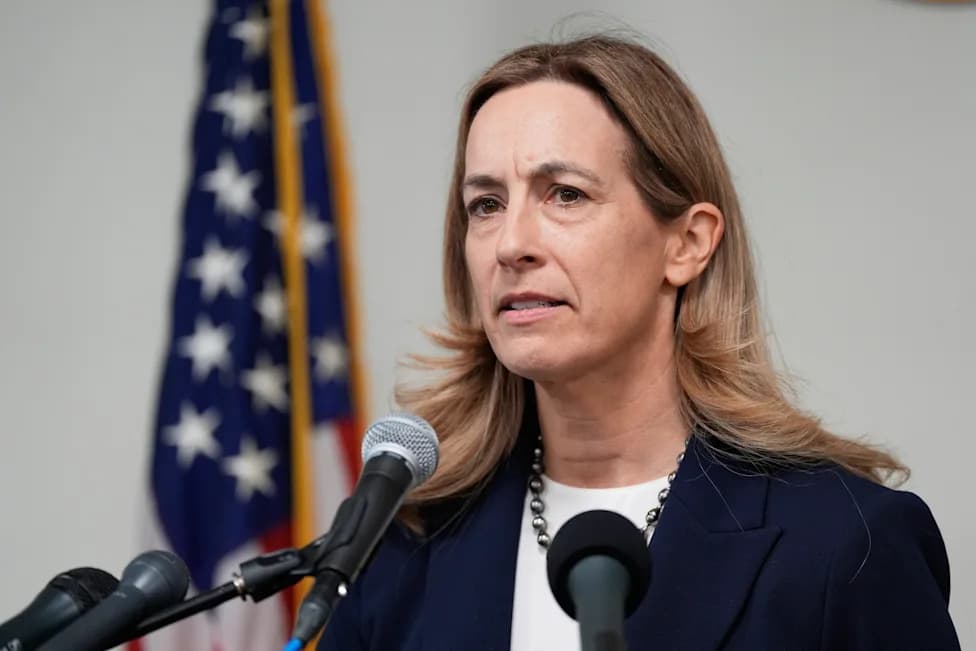
An image collage containing 2 images, Image 1 shows California Governor Gavin Newsom speaking at the NALEO 43rd Annual Conference, Image 2 shows U.S. President Donald Trump gives a thumbs-up
The Biden-era expansion of Medicaid spending and recent federal actions have collided in a high-stakes fight over program integrity. In March, the administration announced a “War on Fraud” task force that has deferred $1 billion in federal Medicaid funding to California and Minnesota, citing widespread improper payments, enrollment errors and program mismanagement.

The reason: Govs. Gavin Newsom and Tim Walz terribly mismanaged their welfare programs and let rampant fraud go unchecked for years. Carlin Stiehl for CA Post
What the Task Force Says
Led by Vice President JD Vance and Health and Human Services Secretary Robert F. Kennedy Jr., the task force argues that years of lax oversight and administrative failures allowed ineligible recipients, duplicate enrollments and other improper payments to proliferate. The administration identifies Medicaid — the nation’s largest public health benefit program — as a primary target for recovery and stricter oversight.
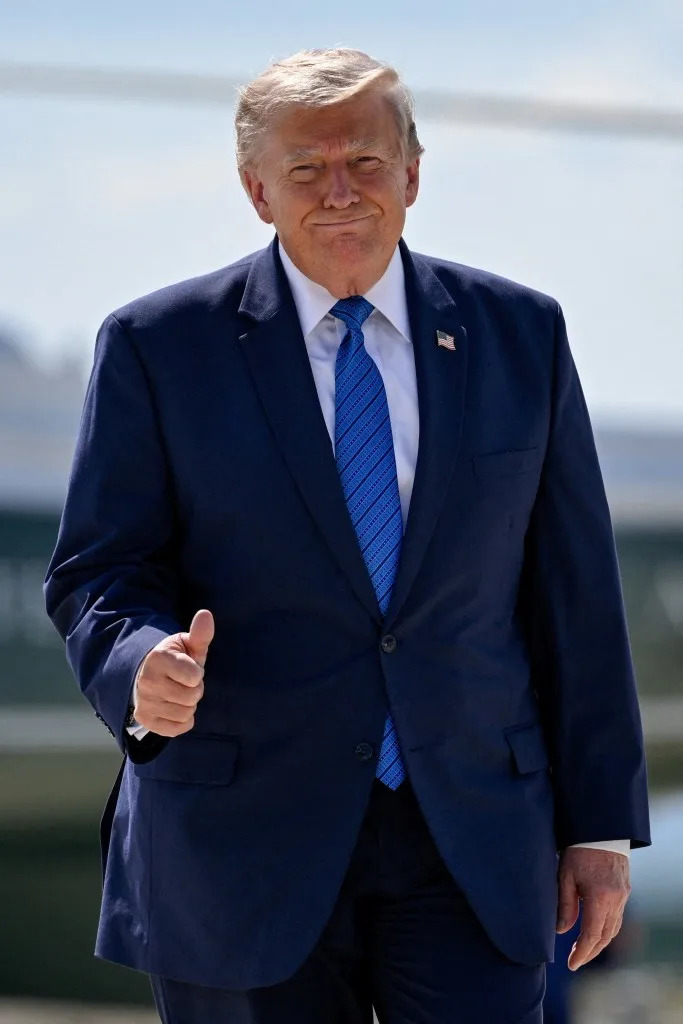
In March, the Trump administration launched a task force declaring a War on Fraud to clean up the nation's welfare programs. REUTERS
Legal Pushback and the Court Ruling
Minnesota Governor Tim Walz and Minnesota Attorney General Keith Ellison filed suit seeking to block the federal withholding. A court declined to enjoin the action, allowing the administration to proceed with the deferral while litigation continues. The ruling underscores the federal government’s current leverage to press states for stronger eligibility and payment controls.

Blue states have let unchecked welfare fraud persist without consequence for years. Ron Sachs – CNP/Shutterstock
Scale and Causes of the Problem
Medicaid spending has grown substantially over the last two decades: from roughly $206 billion in 2000 to more than $960 billion annually today. Federal and administration officials point to several alleged contributors to improper payments, including duplicate enrollments across state lines, benefits paid to deceased individuals, ineligible recipients and increased enrollment among able-bodied adults.
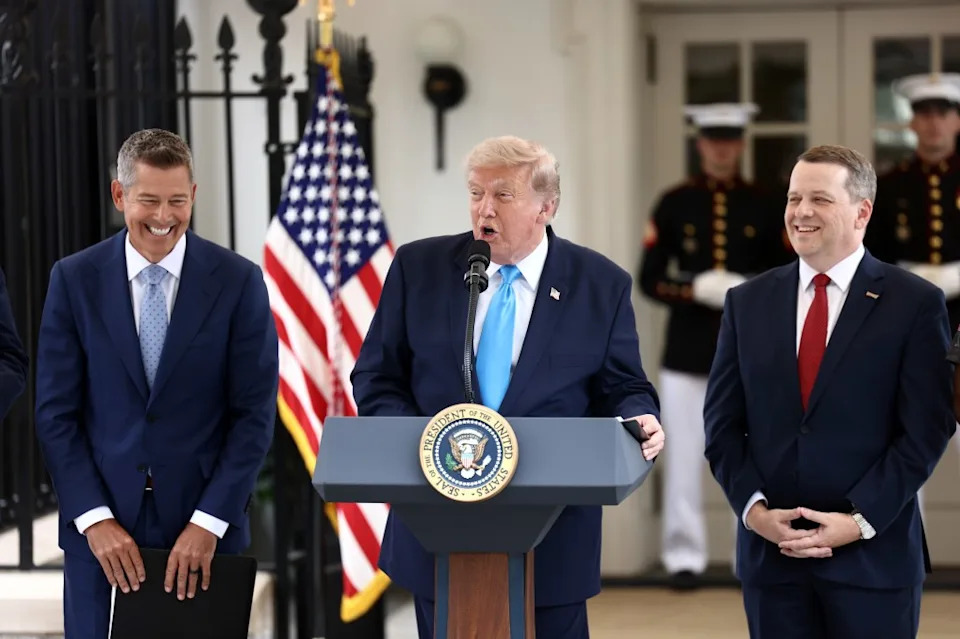
There's no shortage of spending to probe: Medicaid, which cost taxpayers $206 billion in 2000, now costs taxpayers more than $960 billion a year. Jim LoScalzo / Pool via CNP / SplashNews.com
Administration Position: The deferred funds are intended to compel states to strengthen program integrity so that benefits reach eligible, vulnerable Americans.
Supporters, Critics and Reform Proposals
Supporters of the federal action describe it as common-sense enforcement that realigns incentives for states to detect fraud and prevent waste. Critics — including some state officials and advocates — argue the penalties are heavy-handed and risk disrupting services for people who rely on Medicaid.
The discussion has also referenced policy proposals associated with former President Donald Trump, such as the so-called One, Big, Beautiful Bill, which proponents say would tighten eligibility and could lead to significant federal savings if enacted. Estimates cited by supporters claim potential long-term savings in the hundreds of billions to more than $1 trillion, though such figures depend on the specifics of any legislation and implementation.
What Comes Next
With litigation ongoing and public debate intensifying, states facing deferred funds may pursue additional legal challenges, administrative fixes or accelerated eligibility audits. The episode signals a renewed federal emphasis on program integrity and a willingness to use funding leverage to prompt state action.
Author: Michael Greibrok, Senior Research Fellow, Foundation for Government Accountability.
Help us improve.