Professor Christine Maggs has confirmed that a tiny, pink-striped red alga she first spotted during her PhD is a species new to science. Samples collected from Cornish maerl beds were cultured (famously stored in a wine fridge) and DNA-sequenced, enabling the formal identification. The species, Ceramium ruenessianum, has been added to the Natural History Museum collection and will be described in Phycologia. The find highlights the biodiversity and conservation importance of rare maerl habitats.
After 40 Years, Scientist Confirms New 'Pink-Zebra' Seaweed From UK Maerl Beds
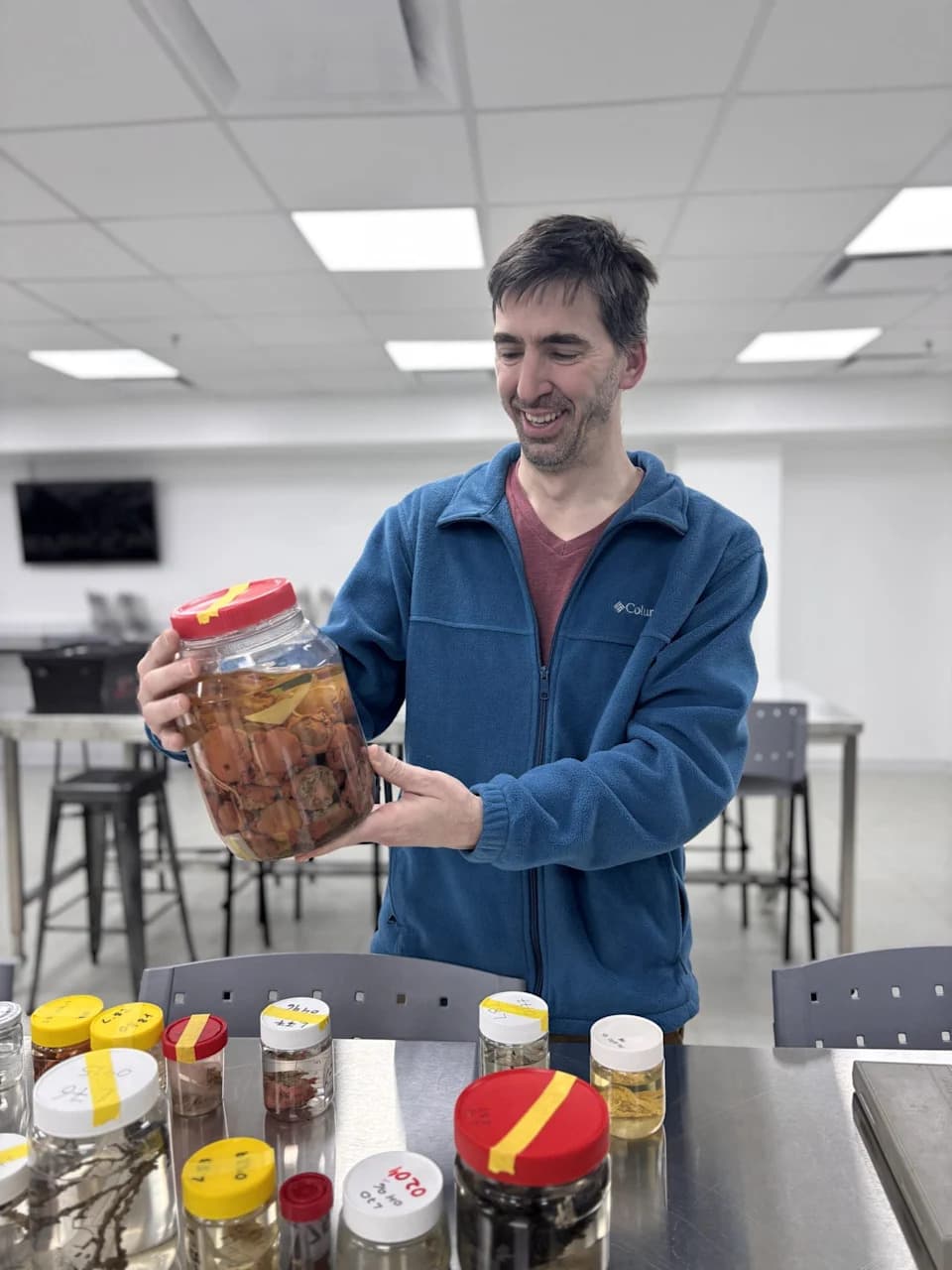
[BBC]
Professor Christine Maggs has finally solved a four-decade mystery: a tiny, pink-striped red alga that she first noticed during her PhD has been confirmed as a species new to science. The organism was found growing on maerl — dense carpets of calcified, coral-like seaweed that form some of the ocean's richest and most fragile habitats along parts of the UK coast.
From a Fleeting Fragment to a Formal Discovery
Forty years ago, Prof Maggs found a single fragment of the pink-banded alga while studying a maerl bed. Hours of literature searches suggested it matched no described species, but researchers lacked sufficient material to identify it. Over the decades the alga reappeared only sporadically — sometimes on other animals such as sea squirts — never in enough quantity to allow molecular analysis.
The Breakthrough: Cornwall, a Wine Fridge and DNA
Two years ago, a Natural England survey of Cornish maerl beds recovered tiny cuttings of the same pink-banded red alga. Independent marine biologist Francis Bunker repeatedly found the organism in the samples and sent the material to Prof Maggs in London. Because the algae were so small, Maggs cultured additional tissue — storing samples in a wine fridge to provide the cool, dark conditions needed — so that DNA sequencing could be performed.
'This particular seaweed is so small I needed to get some molecular data,' Prof Maggs said. 'That's why this has taken me 40 years.'
With molecular work carried out by Prof Beatriz de Barros Barreto, the team confirmed the alga is new to science. A specimen has been added to the Natural History Museum's pressed-algae collection, and the formal description will be published in the peer-reviewed journal Phycologia.
Name, Common Nicknames and Public Invitation
The species will be described as Ceramium ruenessianum, honoring a colleague who has studied this group for decades. Among the survey team, informal common-name contenders include 'pink-zebra weed', 'pink-banded bandit' and 'ribbon claw'. Prof Maggs has invited the public to suggest additional names.
Why This Matters
Maerl beds are biodiverse and important nursery habitats for commercially and ecologically valuable species. They are, however, rare and in decline: classed as a threatened habitat under the OSPAR convention. There are currently only four protected maerl sites in the UK, including the Fal and Helford Special Areas of Conservation (SAC); many Cornish maerl beds remain unprotected.
Defra has said not every occurrence of a habitat or species must become an SAC, citing the need to balance nature recovery with other national priorities such as offshore wind and fisheries. Meanwhile, researchers continue to map, monitor and catalog maerl communities — a process that can reveal further undescribed species and strengthen arguments for conservation.
Broader Context
Seaweeds are among Earth's oldest life forms and are vital to marine food webs and coastal ecosystems. They provide food, shelter and nursery grounds for fish and invertebrates, and some species yield compounds used in medicines and industry. Experts say discoveries like Ceramium ruenessianum underscore both the scientific value of maerl habitats and the need to protect them.
Where To Learn More: The formal species description will appear in Phycologia, and the specimen now resides in the Natural History Museum's collections for study by future researchers.
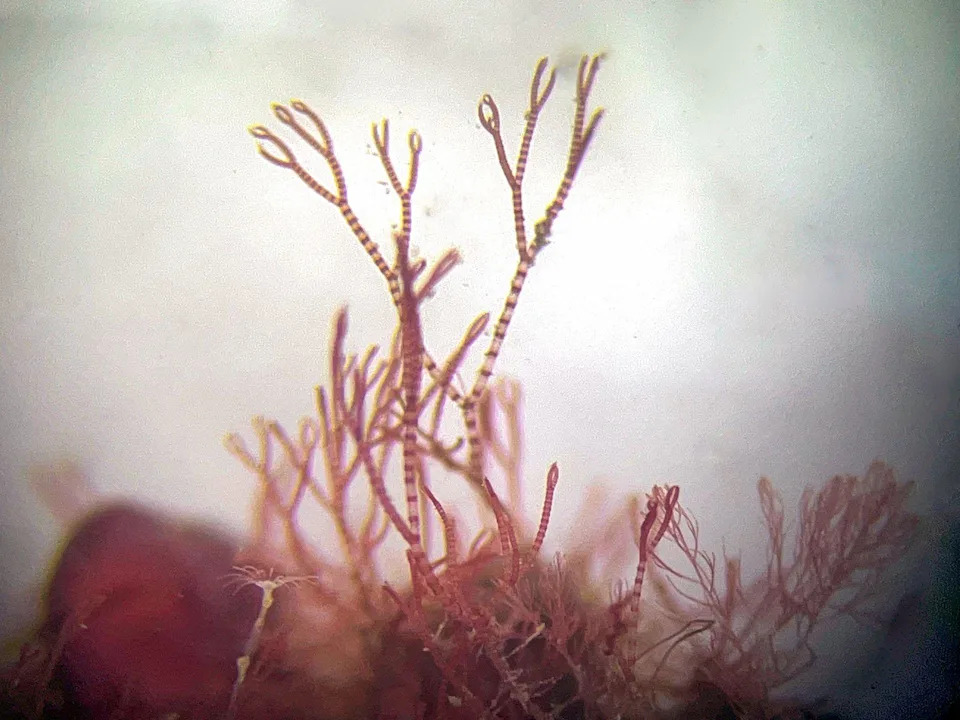
New ceramiumis an entirely new species unknown to science [Francis Bunker]
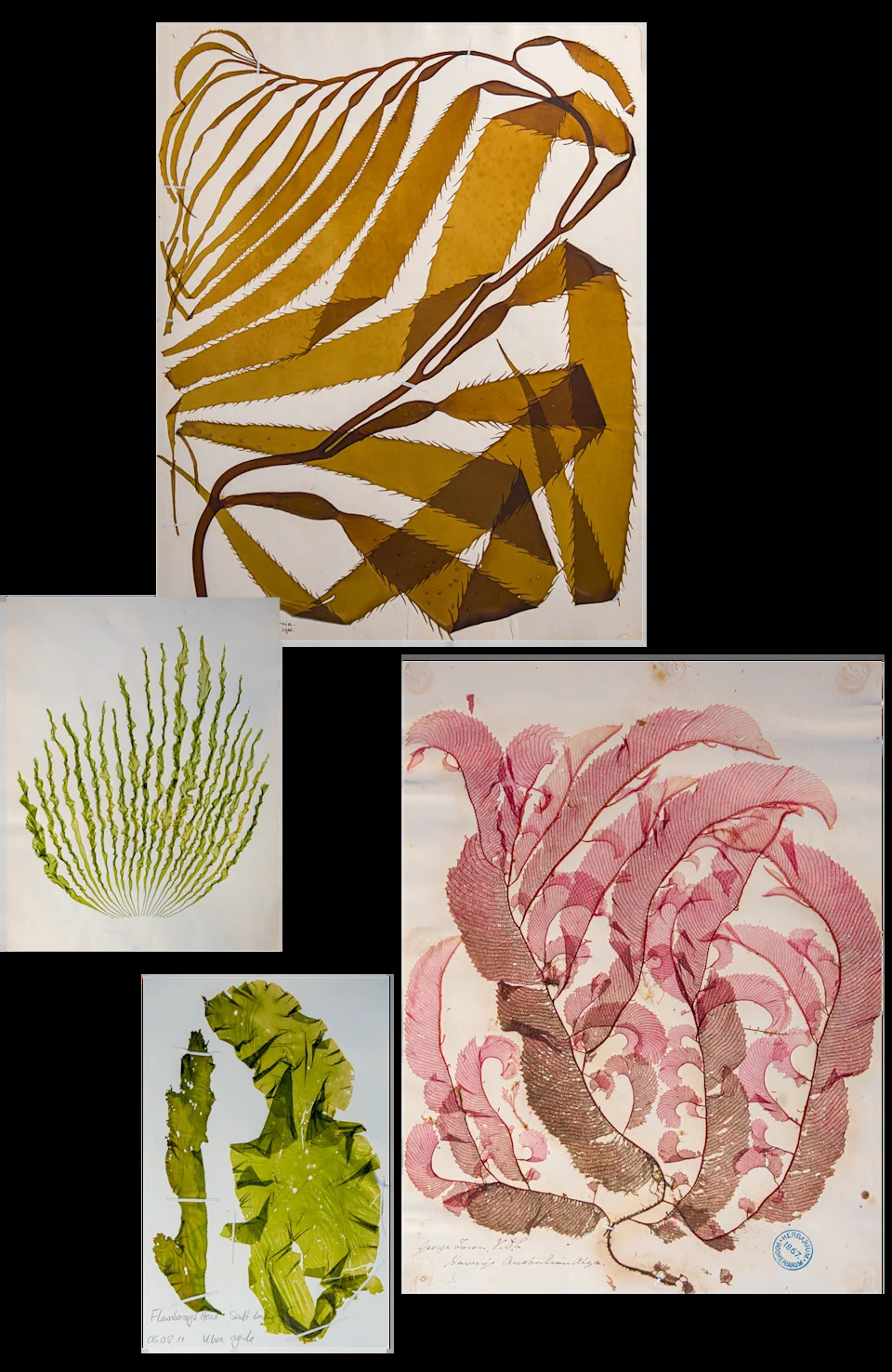
The Natural History Museum collection of seaweed pressings which the new species has joined [BBC]
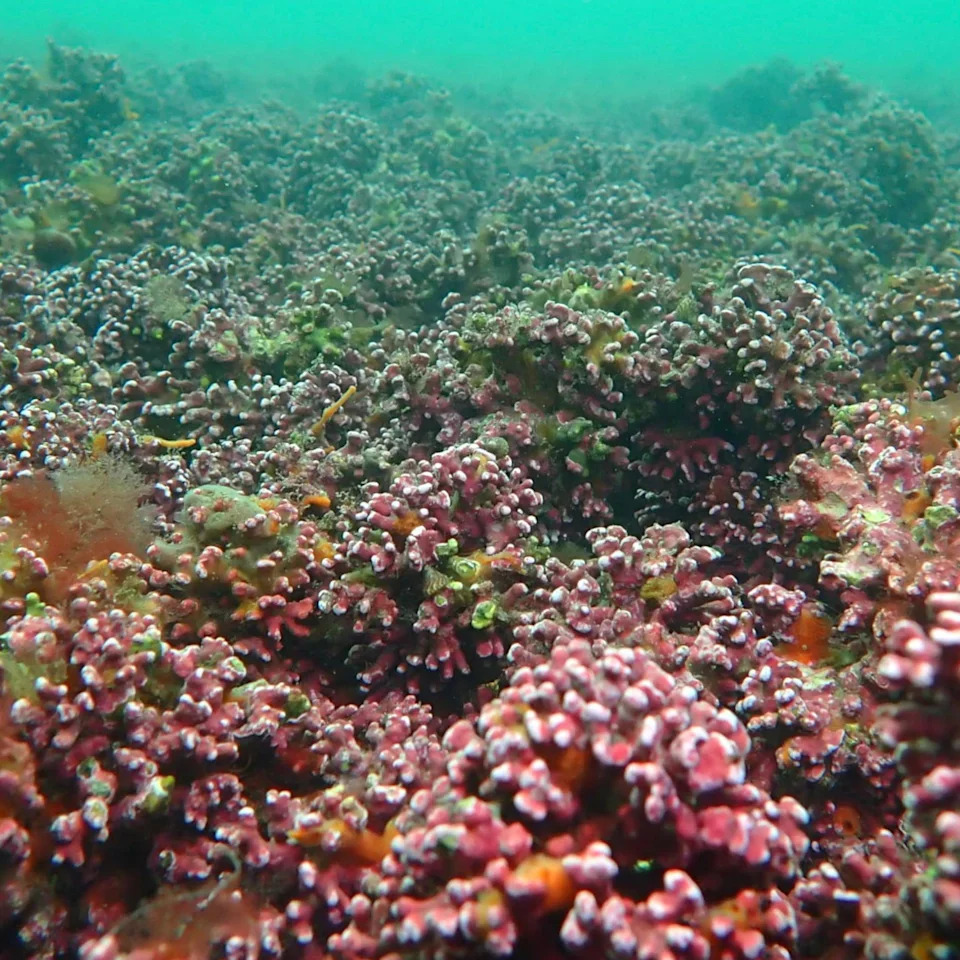
Maerl bed in the Fal estuary [Angie Gall]

Christine Maggs in 1982 in a home-made drysuit with her PhD supervisor Mike Guiry beside her [Prof. Curt Pueschel]
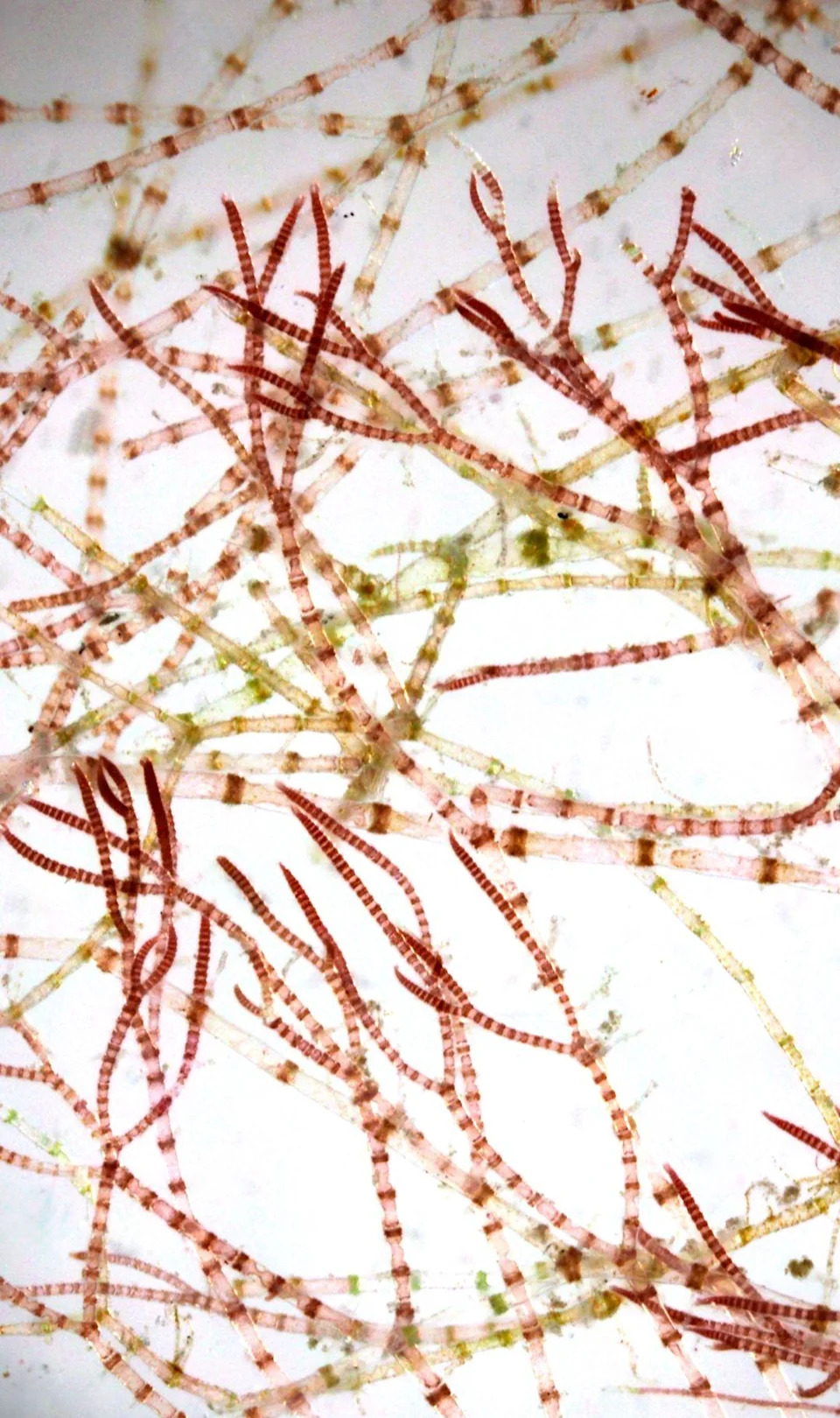
[Francis Bunker]
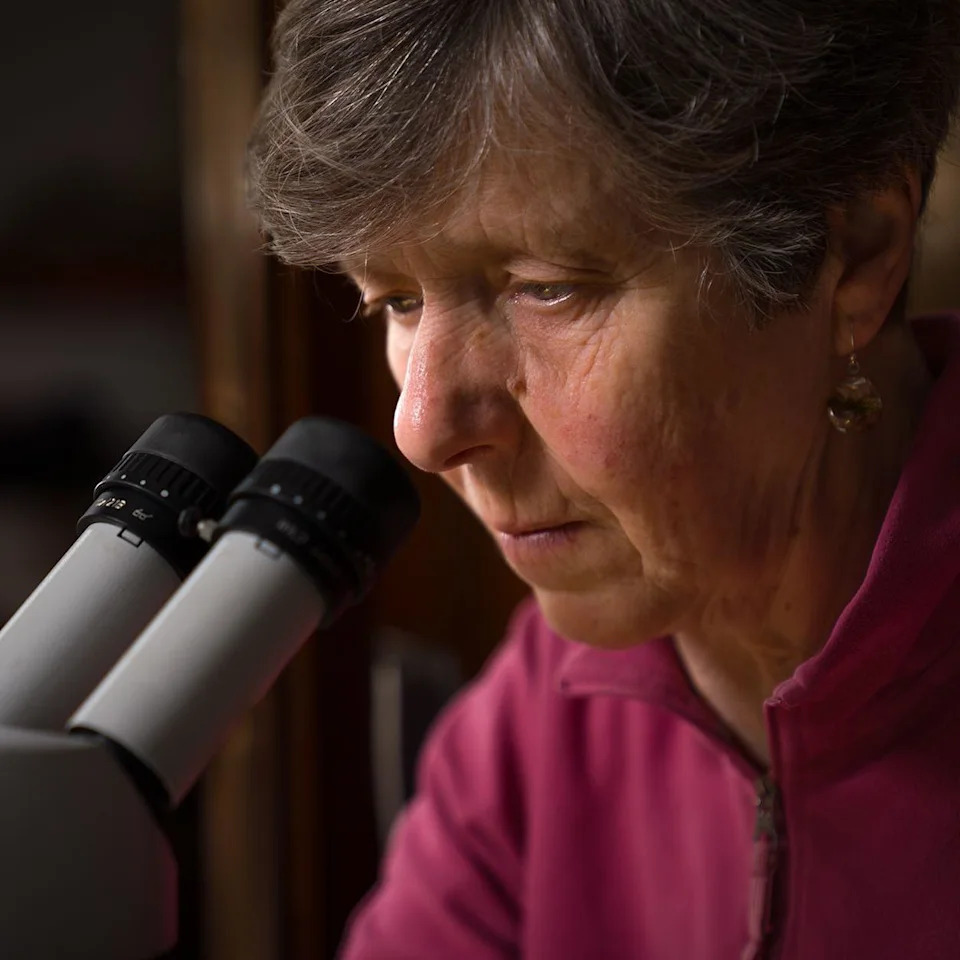
Professor Christine Maggs at work [BBC]
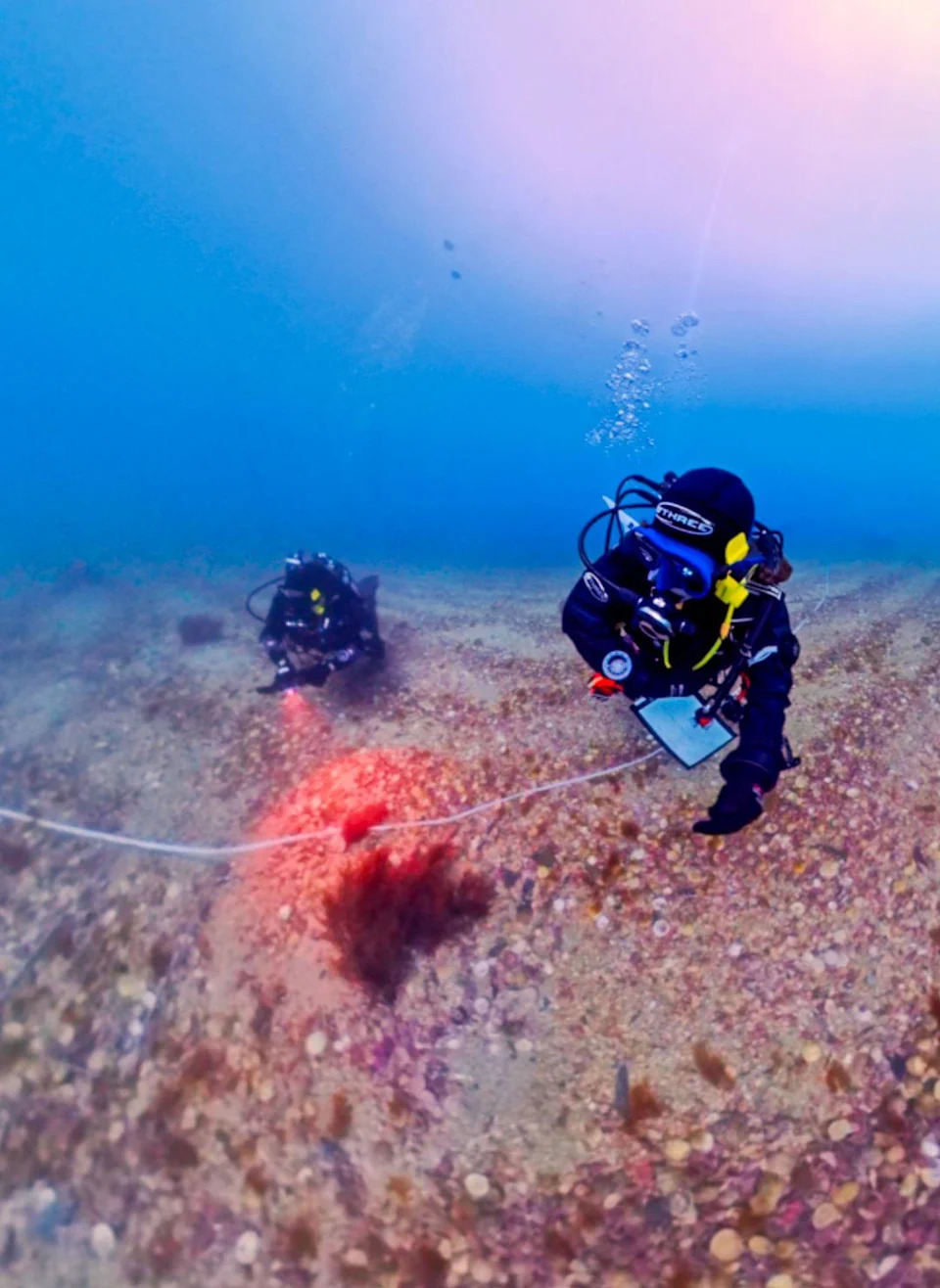
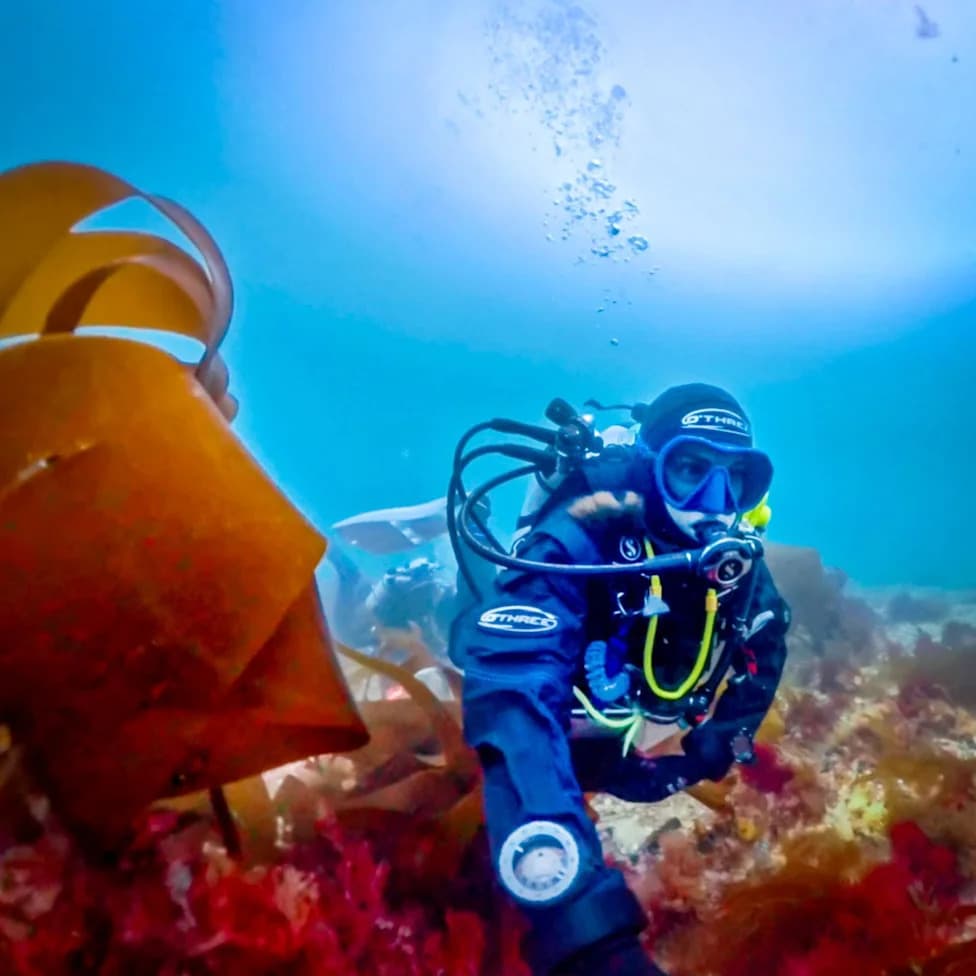
Scientific divers on a maerl site [BBC]
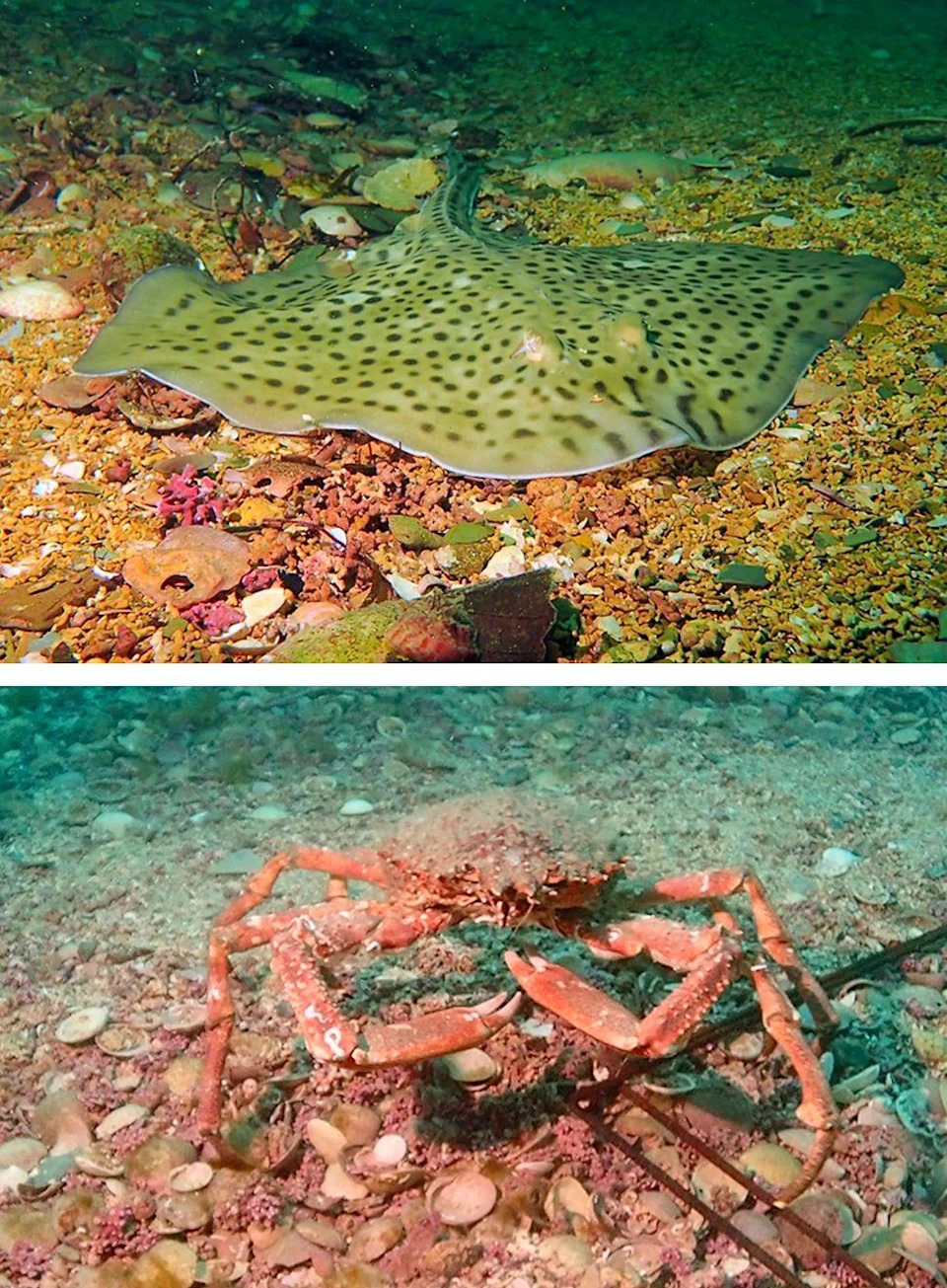
A spotted skate on maerl and a spider crab [Natural England]
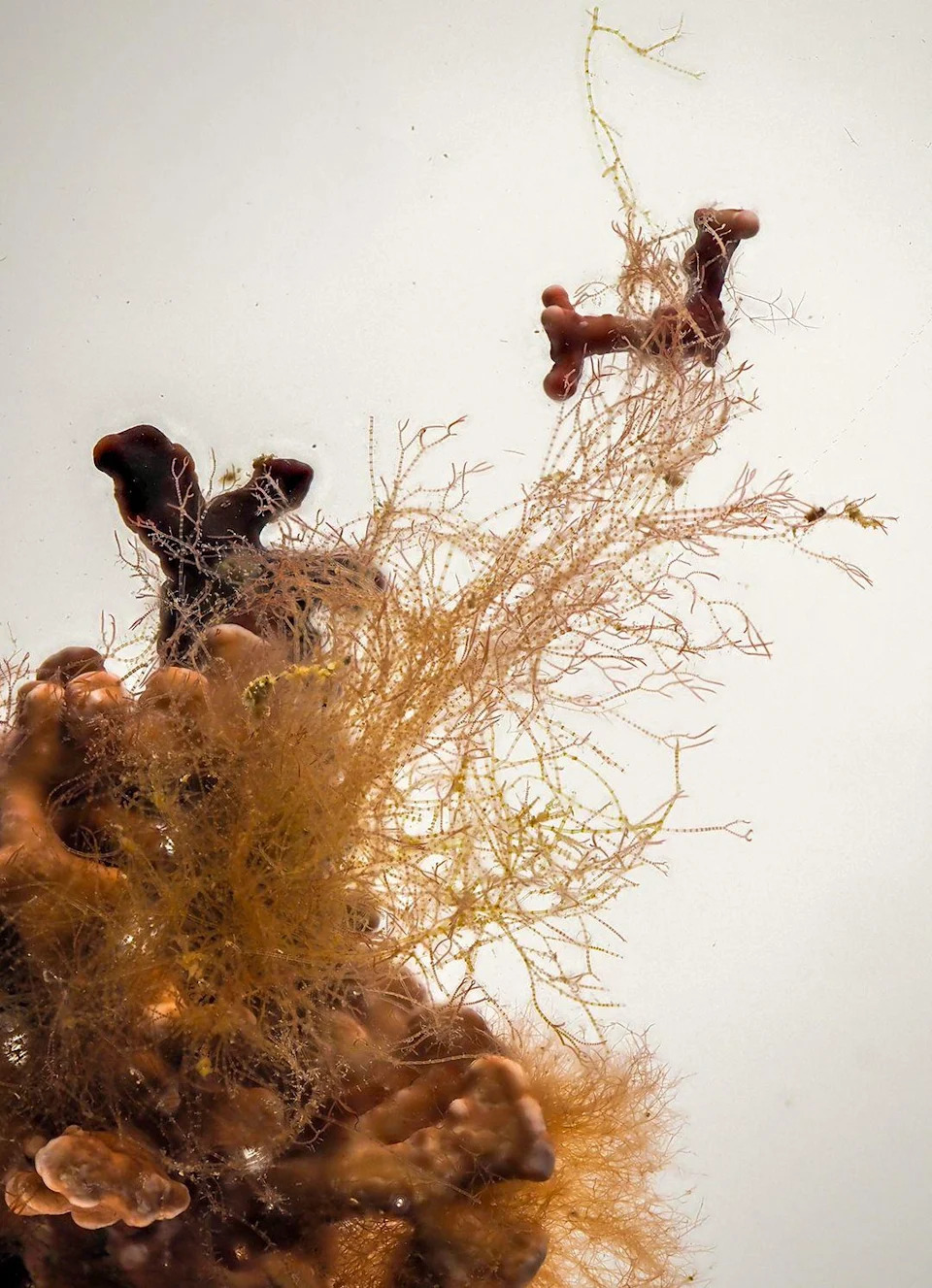
New species growing on maerl [Francis Bunker]
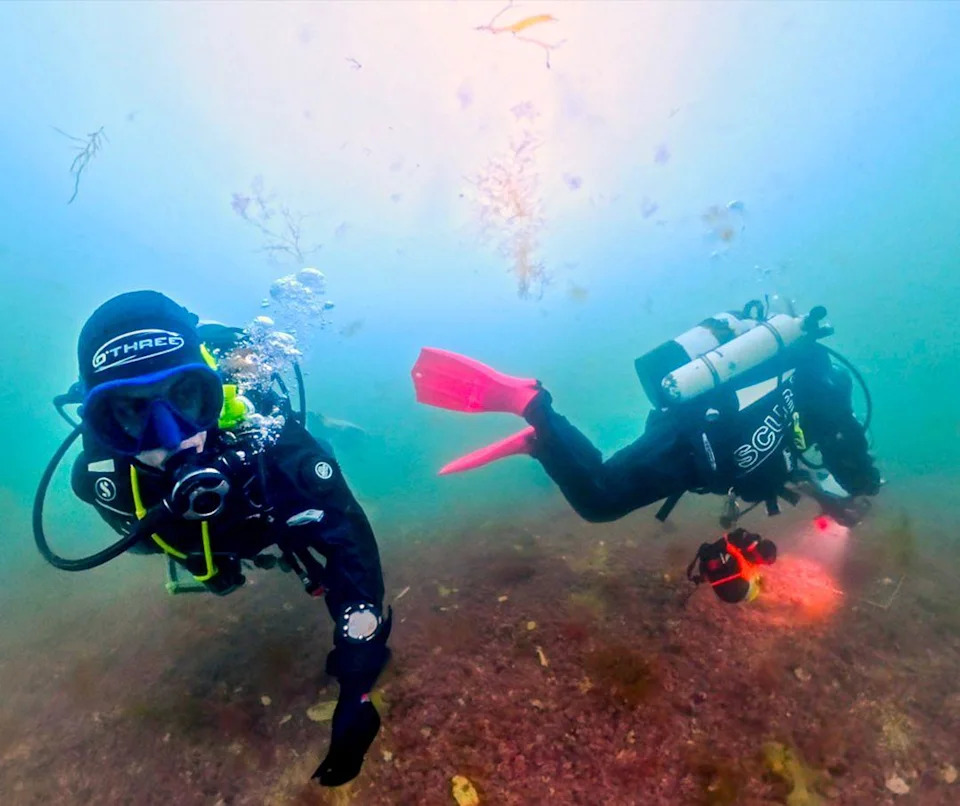
[BBC]
Help us improve.