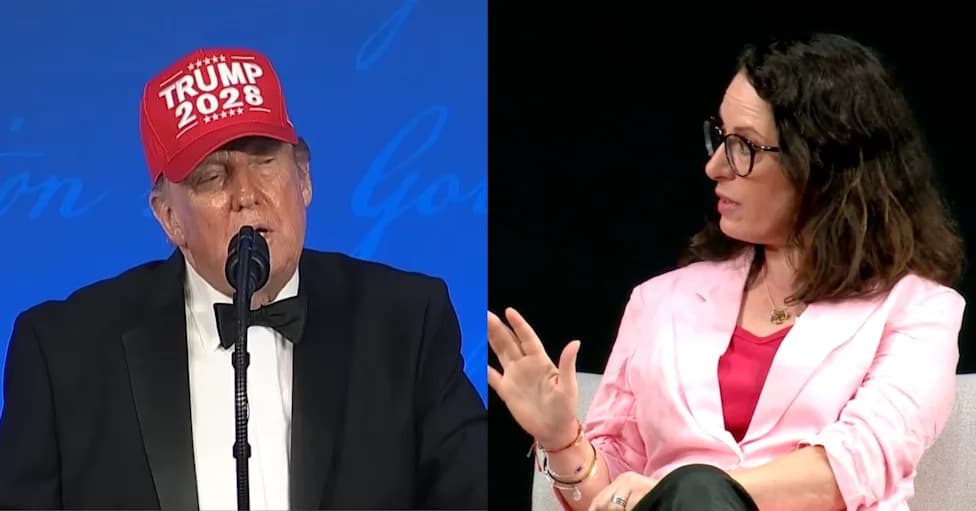
President Trump said he gives Iran "credit" for continuing to resist U.S. pressure as the conflict that began in late February enters its sixth month. His remarks at a July 31 Cabinet meeting came after CENTCOM reported multiple Iranian ballistic missiles were launched on July 28 and subsequently intercepted, and the U.S. launched retaliatory airstrikes on July 29. Trump also renewed aggressive rhetoric in a Fox News interview and said he is "considering additional warnings" against Iranian proxies.
Trump Says He Gives Iran 'Credit' for Resilience as U.S. Intercepts Missiles and Launches Airstrikes
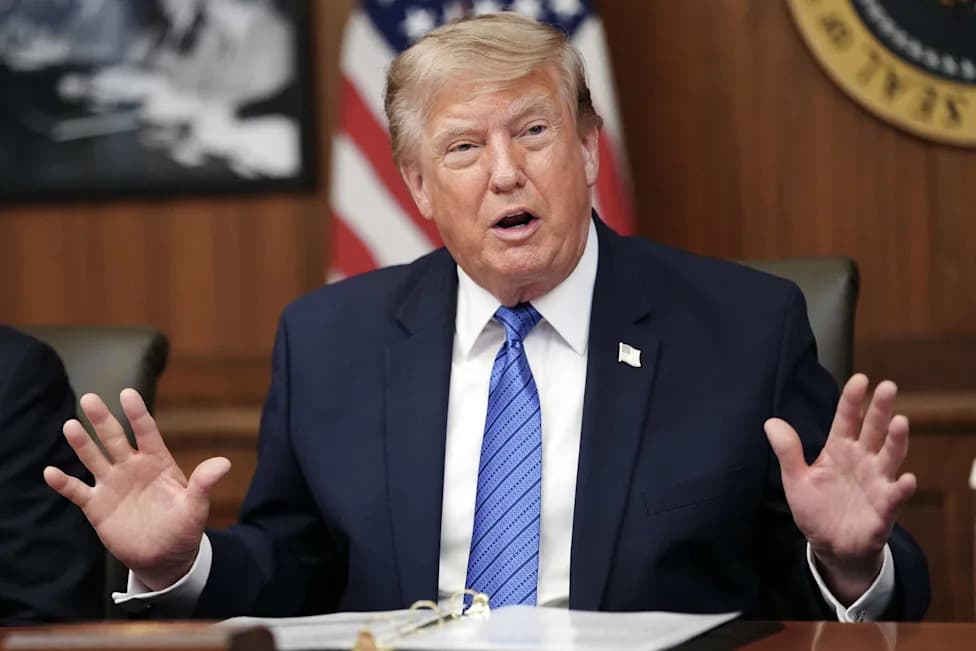
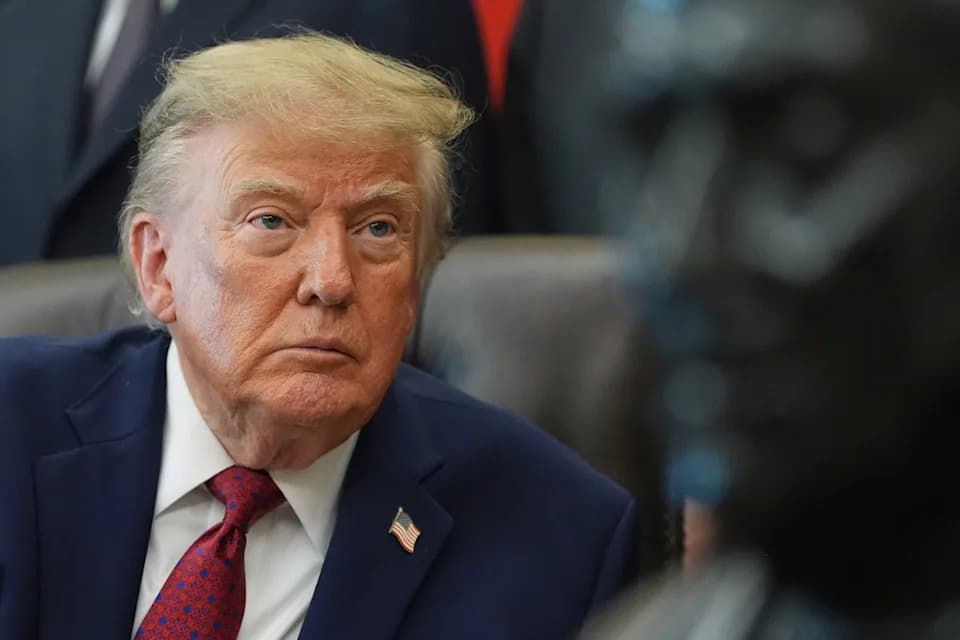
President Donald Trump speaks during a Cabinet meeting at Camp David in MarylandCredit: Aaron Schwartz / AFP via Getty
President Donald Trump on July 31 said he gives Iran "credit" for continuing to resist U.S. pressure as the conflict that began in late February moves into its sixth month. He made the remarks during a Cabinet meeting at Camp David while addressing questions about future strikes.
"Most people would've given up by now... They've got no Navy. They got no Air Force... They haven't, so I give them credit for that," Trump said, adding, "They are known as being tough. They're tough."
The comments followed a sequence of tense incidents in late July. On July 28, U.S. Central Command (CENTCOM) reported that Iran launched multiple ballistic missiles at U.S. forces in the region; CENTCOM said the missiles were intercepted. The U.S. carried out retaliatory airstrikes against Iranian positions on July 29.
In a separate Fox News interview, Trump used profane language to describe a possible U.S. response — saying the U.S. would "beat the f---ing s--- out of them" — and warned that "we'll be hitting them hard. They're going to get a beating." He also said he viewed footage showing U.S. forces had only "just minutes" to intercept incoming missiles.
Trump said he was "considering additional warnings against Iranian proxies" and indicated his administration would allow ongoing diplomatic discussion over reopening the Strait of Hormuz to continue. The strait remains a critical shipping lane that carries roughly one-fifth of the world's oil supply.
Context And Implications
The exchange highlights a mix of acknowledgement and escalation: U.S. defenses successfully intercepted ballistic threats, but retaliatory strikes and hawkish rhetoric raise the risk of broader regional tensions. The situation remains fluid, with potential consequences for regional stability and global energy markets.
Sources: CENTCOM, People, Fox News
Help us improve.