Researchers examined liver and kidney tissue from 75 common dolphins (2000–2023) and found links between accelerated biological aging and specific PFAS (PFBA, PFNA) and metals (selenium, zinc, copper, aluminum, manganese). The preprint, posted June 26 on bioRxiv and led by Karen Stockin of Massey University, emphasizes that particular compounds — not just total pollutant load — may drive aging. Because dolphins are sentinel species, the results could have implications for coastal residents and seafood consumers and reinforce the need to study chemical mixtures.
Metals and 'Forever Chemicals' Linked to Accelerated Aging in Common Dolphins — A Warning for Humans
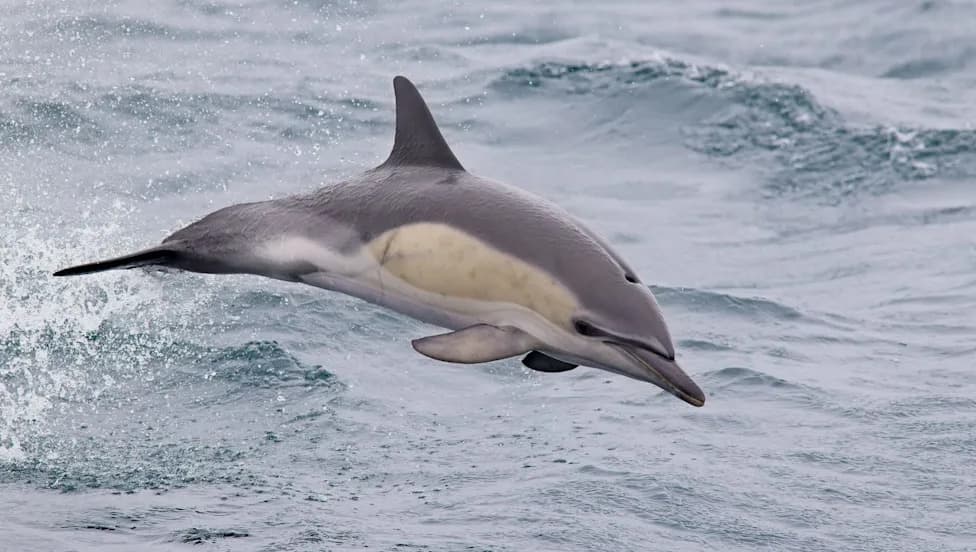
Photo Credit: iStock
New research suggests that pollution in the ocean may do more than cause immediate harm to marine life: it could also accelerate biological aging in common dolphins, with potential implications for human health.
A team led by marine biologist Karen Stockin of Massey University analyzed liver and kidney tissue from 75 common dolphins (Delphinus delphis) that died in separate incidents between 2000 and 2023. The preprint was posted June 26 on bioRxiv and has not yet been peer-reviewed.
Rather than implicating overall contaminant load alone, the researchers found stronger associations between accelerated biological aging and specific chemicals. Within the PFAS family, PFBA and PFNA were linked to faster biological aging. Among metals, selenium, zinc, copper, aluminum and manganese were most strongly associated with accelerated aging markers.
'It's not the total burden of PFAS you have,' Stockin said, noting that the identity of particular PFAS compounds matters more than an aggregate PFAS measure.
Dolphins are often used as sentinel species for human environmental risks because of their long lifespans, regular exposure to seafood-derived diets, and the fact that they breathe air. Those traits make them useful for studying how contaminants accumulate and affect mammals over time.
Biological aging differs from chronological age: it reflects molecular and DNA-level changes that can be accelerated by stressors such as pollution. Faster biological aging is linked to higher risks of age-associated diseases, including cancer and chronic conditions.
Because the same contaminants can reach people through water, air and food (including seafood), findings that pollutants accelerate biological aging in dolphins raise concerns for coastal communities and consumers. Ecotoxicologist Baylin Bennett of UC San Francisco—who was not involved in the study—told Science News that the results strengthen worries that contaminants can cause harm beyond the tissues where they accumulate.
The study also underscores a shift in research and regulatory thinking: real-world exposures usually involve complex mixtures rather than single chemicals. Identifying which compounds or combinations are most harmful can help public-health officials and regulators prioritize monitoring and mitigation, instead of treating all exposures as equivalent.
These results build on prior research showing PFAS can disrupt dolphin organs and immune systems and that some PFAS compounds can be transferred from mothers to calves through milk. Taken together, the evidence supports calls for tighter oversight of industrial discharges and chemical contamination in marine environments.
Caveat: The findings come from a preprint and should be interpreted cautiously until peer review confirms the results. Still, the study highlights important targets for follow-up research and potential regulatory attention.
Help us improve.