Researchers are investigating whether memory reconsolidation—the brief window when a recalled memory is vulnerable—can be used to weaken traumatic memories. A small 2025 proof-of-concept trial applied personalized, fMRI-guided transcranial magnetic stimulation (TMS) immediately after memory reactivation in 10 adults with PTSD and reported fewer intrusive memories and altered hippocampal–cortical connectivity. Experts call the results promising but caution that larger, placebo-controlled trials with longer follow-up are needed before clinical use. If validated, this approach could become a valuable adjunct to psychotherapy rather than a replacement.
Scientists Are Learning To 'Edit' Traumatic Memories — Could This Free People From PTSD?
Scientists Figured Out How to Edit Trauma MemoriesGetty Images
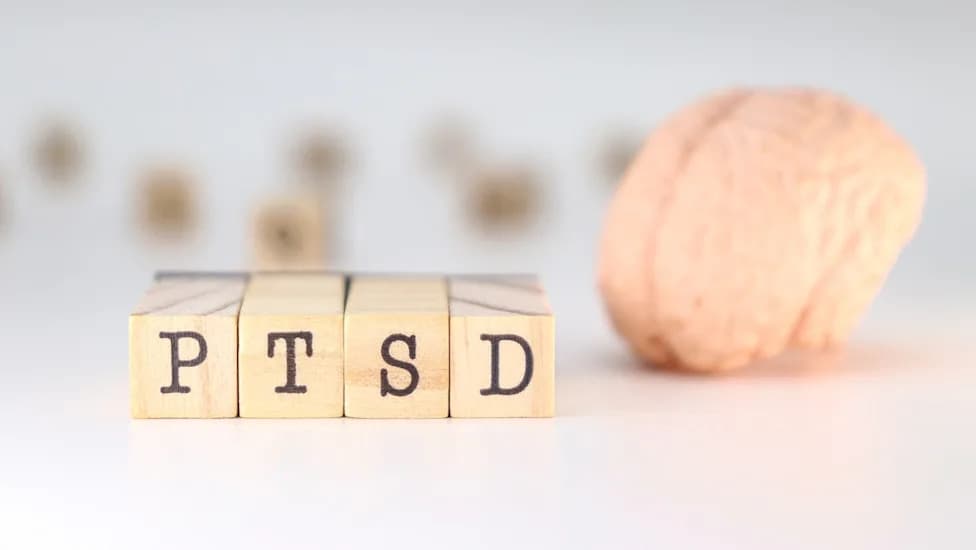
For many survivors of extreme trauma—a parent who loses a child, a soldier who witnesses a comrade's death, or a child abused by a caregiver—the memory of that event can intrude into daily life as flashbacks, nightmares, and relentless intrusive thoughts. Those symptoms are central to post-traumatic stress disorder (PTSD) and can make the present feel as terrifying as the moment the trauma occurred.
Traditional PTSD care focuses on helping people cope with symptoms using psychotherapy, medication, or both. But a newer body of research asks a bolder question: instead of only treating the aftermath, can clinicians intervene during the short period when the brain briefly reopens and rewrites a recalled memory, and blunt its emotional intensity before it is stored again?
What Is Memory Reconsolidation?
Memory reconsolidation is the process by which a recalled memory becomes temporarily labile (vulnerable to change) before being restabilized. For decades scientists regarded memories as essentially fixed once formed. That view shifted around the turn of the 21st century after Karim Nader’s experiments, in which rats trained to fear a sound briefly displayed destabilized memories when the memory was recalled. Those findings showed that every time we recall something the brain does not simply replay it; it briefly takes the memory off the shelf, opens it for potential modification, and then puts it back. This editing window is thought to last on the order of hours, making the memory momentarily "editable."
A Proof-of-Concept Clinical Trial
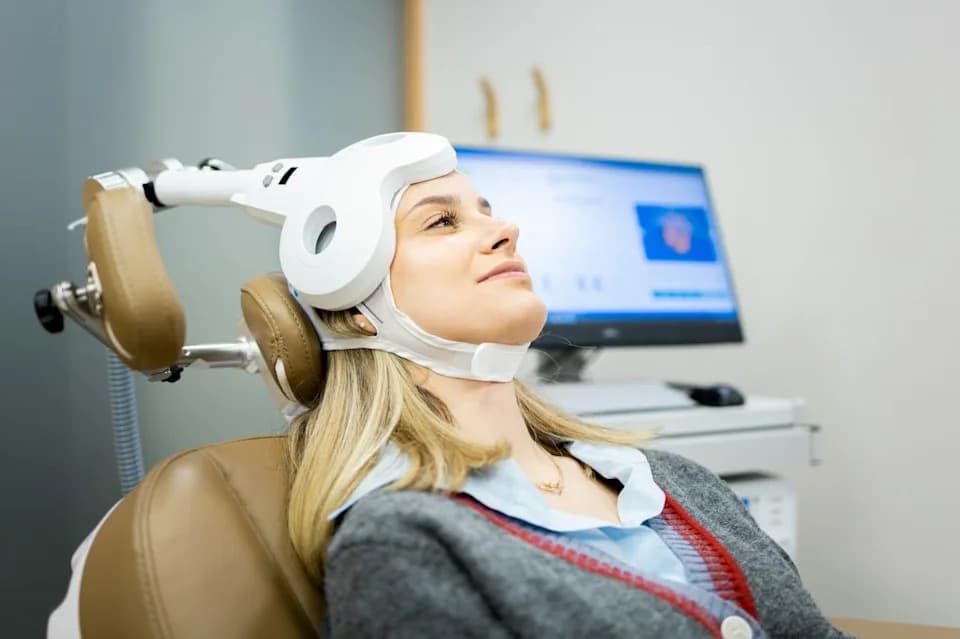
A small proof-of-concept trial published in Brain Stimulation (late 2025) tested whether precisely timed brain stimulation could weaken traumatic memories in people with PTSD. Ten adults received five weekly sessions. In each session, participants deliberately recalled a distressing memory to trigger reconsolidation; immediately afterward researchers applied transcranial magnetic stimulation (TMS) to a personalized cortical site.
Because the hippocampus—a deep brain structure critical to memory—is too deep for direct TMS, investigators used functional MRI (fMRI) to identify an individual-specific spot on the cortical surface that communicates strongly with each person's hippocampus. TMS pulses were delivered to that cortical target right after the memory reactivation.
After five sessions participants reported fewer intrusive memories and flashbacks. Neuroimaging also showed changes in hippocampal–cortical connectivity, suggesting the intervention altered the neural circuitry supporting the traumatic memory.
How This Fits With Earlier Work
This clinical trial builds on prior laboratory studies. A 2020 study in Current Biology found that delivering repetitive TMS after reactivating a fear memory in healthy volunteers disrupted reconsolidation and prevented the return of fear responses. A later study reported that low-frequency TMS during early consolidation of threat memories reduced their persistence. Together these results indicate that precisely timed neuromodulation can influence how aversive memories are re-stored.
"The findings are encouraging," says Rab Nawaz Khan, MD. "But this was a very small, uncontrolled trial. Larger, placebo-controlled studies with longer follow-up are needed to know whether the benefits are durable and broadly applicable."
Clinical Promise and Cautions
Clinicians and researchers describe the approach as promising but early. TeeJay Tripp, DO, notes that pairing TMS with memory reactivation aims to reduce the power and intrusiveness of traumatic memories rather than merely managing symptoms after they appear. Other precision approaches under investigation include EEG-guided neuromodulation and biomarker-guided neurofeedback platforms, which use brain signals or imaging to target the circuits underlying PTSD.
Experts stress that neuromodulation would most likely serve as an adjunct to—not a replacement for—comprehensive trauma care, which includes trauma-focused psychotherapy, medication when appropriate, sleep and relationship support, and functional rehabilitation. If larger trials confirm benefit, these techniques might reduce the need for long-term medication for some patients, particularly those whose symptoms are dominated by intrusive recollection and an intense physiological stress response.
Ethical Questions And Identity
Beyond clinical outcomes, the work raises philosophical and ethical questions about pain and identity. Could weakening the emotional intensity of a wound alter the parts of ourselves shaped by that experience? Some fear that loosening trauma's grip might diminish the meaning of loss or the creative fuel derived from hardship.
Most researchers see this as a false dichotomy: the goal is not to erase memories or remove their meaning, but to preserve the recollection while reducing the involuntary fear response that drags people back into the worst moments. As Shannon Franklin, PsyD, explains, evidence-based trauma therapies have long aimed to help people remember painful events without being overwhelmed by fear, shame, or self-blame. Successful treatment often restores parts of a person that trauma obscured—confidence, curiosity, trust, and hope—without erasing the fact that the trauma occurred.
"Healing is not about forgetting the past," Franklin says. "It is about being able to move forward and live free from the effects of the traumatic event."
What Comes Next?
Current results are preliminary but encouraging. The next steps are larger randomized, placebo-controlled trials with longer follow-up, standardized protocols for timing and dosing, and clearer measures of functional outcomes. Rigorous testing will determine whether reconsolidation-informed neuromodulation becomes a safe, effective adjunct to established trauma therapies.
Bottom line: Precisely timed brain stimulation during memory reconsolidation is a promising avenue to reduce the emotional intensity of traumatic memories, but it remains experimental. If validated in larger trials, it could expand the tools clinicians use to help people reclaim their lives from PTSD without erasing the memories that shape them.
Help us improve.