U.S. District Judge Zahid N. Quraishi denied the Justice Department's effort to compel New Jersey to hand over an unredacted voter registration list after the state provided a redacted electronic copy following a summer 2025 request. The DOJ argued the Civil Rights Act of 1960 authorized the demand, but the court joined other judges in rejecting that interpretation. Representative Mikie Sherrill and state officials praised the ruling as a protection of voters' personally identifiable information. The decision is another setback for the administration's broader effort to obtain detailed voter data from dozens of states and D.C.
Federal Judge Blocks DOJ From Forcing New Jersey To Hand Over Unredacted Voter Rolls
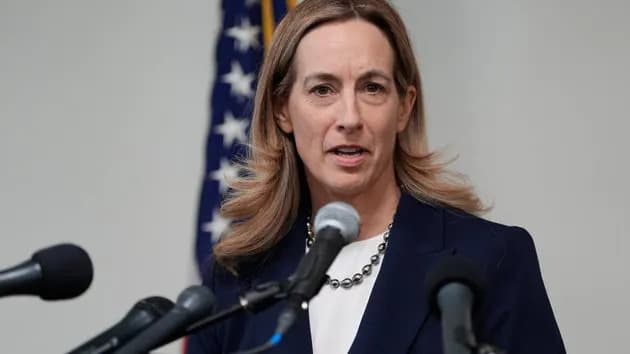
A federal judge on Wednesday denied the Justice Department's motion to compel New Jersey to produce an unredacted copy of its voter registration list after the state provided a redacted electronic version in response to a summer 2025 request.
The dispute began when federal officials asked New Jersey for its voter-roll data. The state delivered an electronic file that removed voters' personally identifiable information (PII). The U.S. Department of Justice then sued, arguing that the Civil Rights Act of 1960 authorizes the attorney general to request and obtain records related to "application, registration, payment of poll tax, or other act requisite to voting" held by state election officials.
Months later, the government filed a motion to compel production of the unredacted list and New Jersey moved to quash that demand. In his ruling, U.S. District Judge Zahid N. Quraishi rejected the government's claim, noting the court "joins at least sixteen other district courts including a sister court — and one circuit — in dismissing Plaintiff's claim."
"The court joins at least sixteen other district courts including a sister court — and one circuit — in dismissing Plaintiff's claim," wrote Judge Zahid N. Quraishi.
State and federal officials reacted quickly. Representative Mikie Sherrill (D-N.J.) applauded the decision on social media, saying she would "always fight to protect New Jerseyans' personally identifiable information." New Jersey election officials also welcomed the ruling as a defense of voter privacy and state control over sensitive records.
The decision is the latest in a series of legal setbacks for the Trump administration, which has sought detailed voter-roll data from as many as 30 states and the District of Columbia. Several other courts have similarly rejected the DOJ's broad reading of the Civil Rights Act of 1960 in this context.
What Happens Next
The ruling resolves this particular request for New Jersey's unredacted rolls for now, but it is likely to be referenced in other pending cases. The Justice Department may choose to appeal, and courts in other jurisdictions will continue weighing similar statutory and privacy questions.
Help us improve.