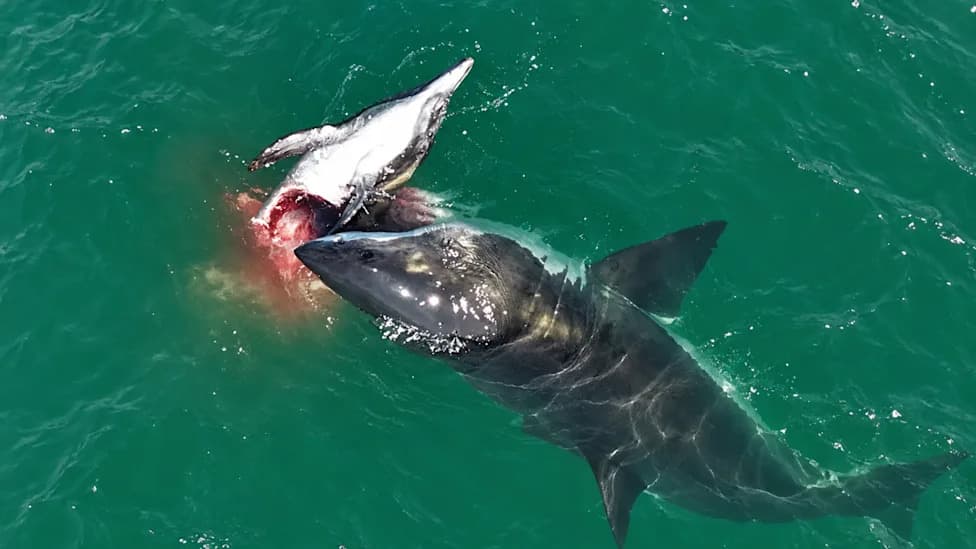
Forecasts for a strong 2026 El Niño — with an 81% chance of being record-setting — mean warmer sea surface temperatures that can push prey and juvenile great white sharks closer to California beaches. Monterey Bay, a known nursery, has recorded up to 40 great whites in a single day (2024), and sightings may increase into 2027. Despite this rise, shark attacks remain rare; simple precautions (swim with a buddy, avoid murky water, and steer clear of feeding marine mammals) reduce risk further.
Forty Great Whites in a Day: How a Strong El Niño Could Bring Sharks Closer to California Beaches
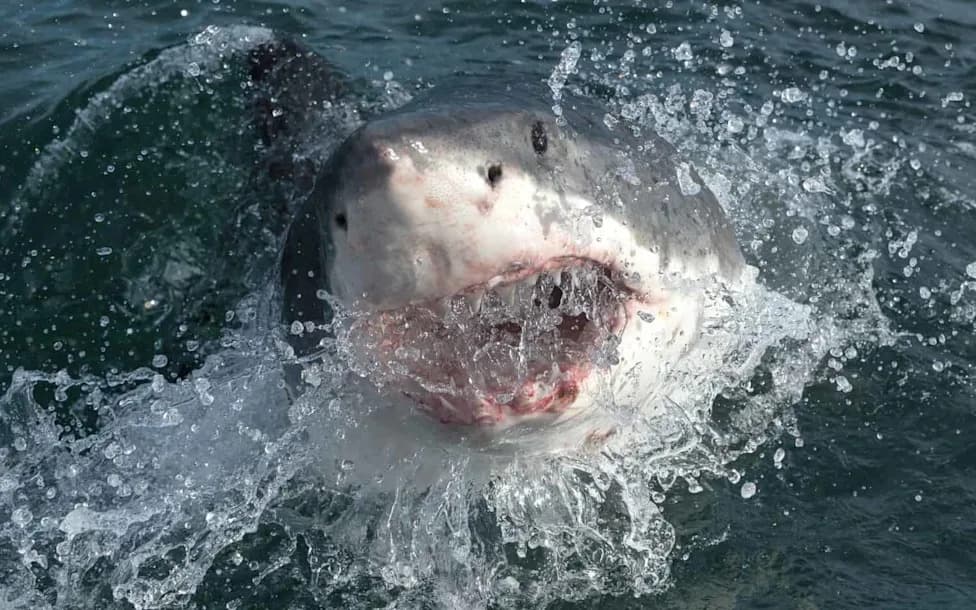
Great white shark with open mouth on the surface out of the water. Scientific name: Carcharodon carcharias. South Africa,© Sergey Uryadnikov/Shutterstock.com
California beaches rarely produce dangerous human–shark encounters, but changing ocean conditions this year are worth watching. A forecasted "super" El Niño in 2026 is expected to warm sea surface temperatures and push prey species — and the predators that follow them — closer to shore.
Why El Niño Matters
El Niño events raise coastal water temperatures and alter marine food webs. As warm-water fish shift north or move closer to shore, predators such as juvenile great white sharks follow. Scientists currently estimate an 81% chance that the coming El Niño could be exceptionally strong, with elevated sea-surface temperatures persisting into 2027. That shift can concentrate prey in shallower coastal zones and increase local shark activity.
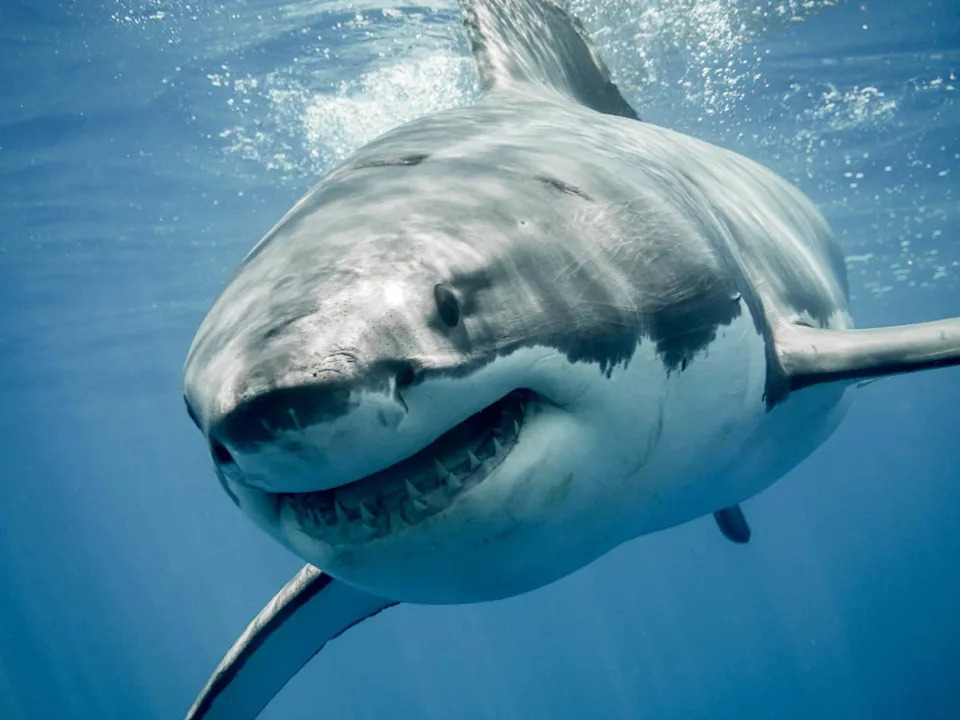
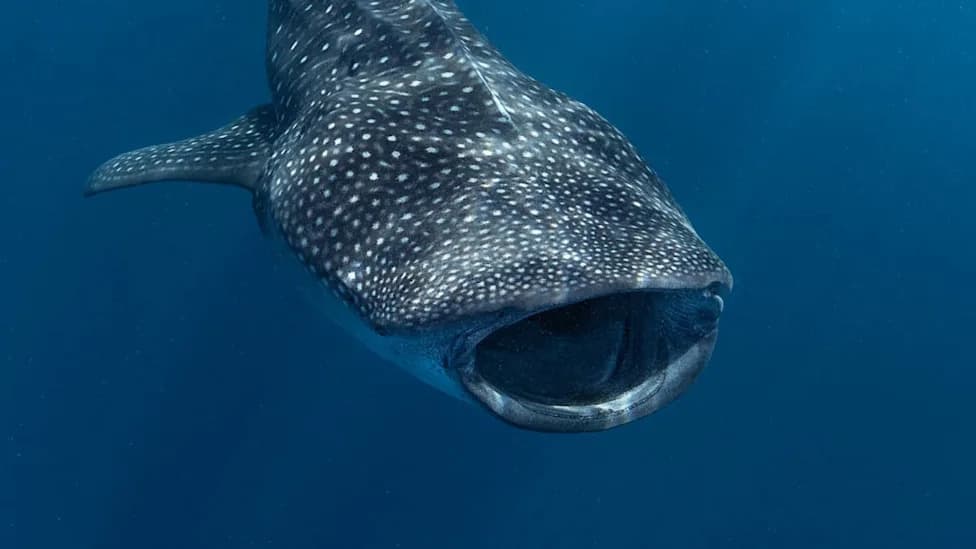
Juvenile great whites are no strangers to California's Monterey Bay.©Ramon Carretero/Shutterstock.com
What Has Been Observed
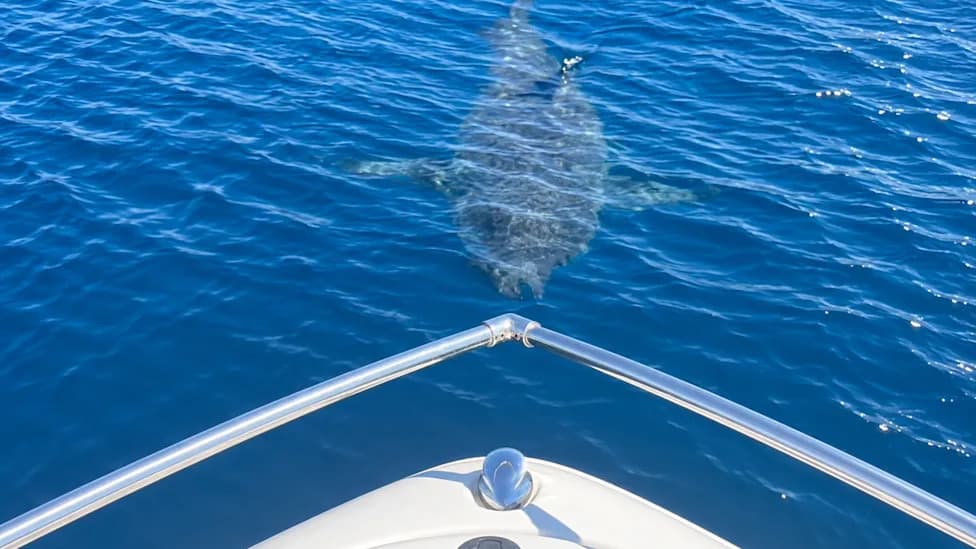
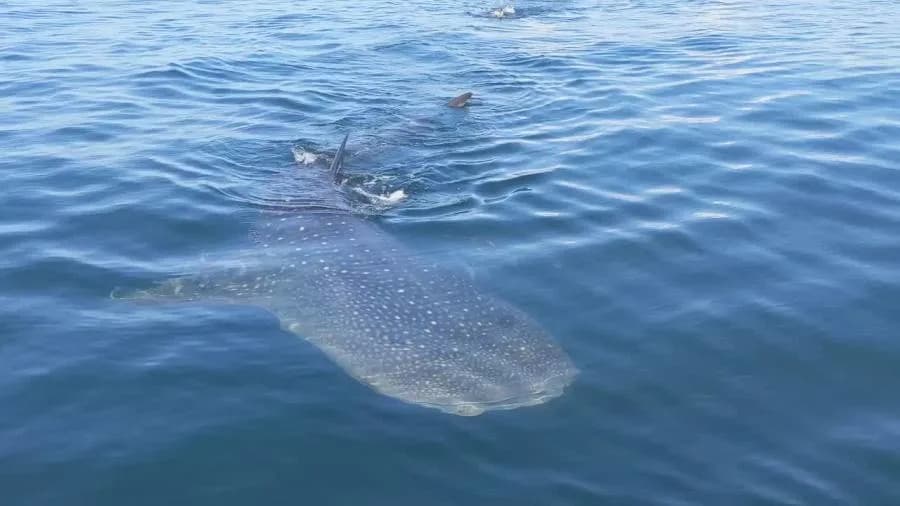
Monterey Bay is a known nursery for juvenile great whites, and observations in recent years have recorded sharp increases in shark sightings. In 2024, marine biologists and observers reported seeing as many as 40 or more great white sharks in a single day in the Monterey region. A notable spike in 2026 followed several incidents in 2025, including a tragic December attack in Monterey Bay that resulted in a fatality.
Where Sharks Might Appear
Besides Monterey Bay, other coastal areas where increased sightings are possible include San Diego, Santa Barbara, Carpinteria, and Ventura. While great whites are the species most often in the headlines, warmer waters can also attract hammerheads, bull sharks, and tiger sharks during warm spells.
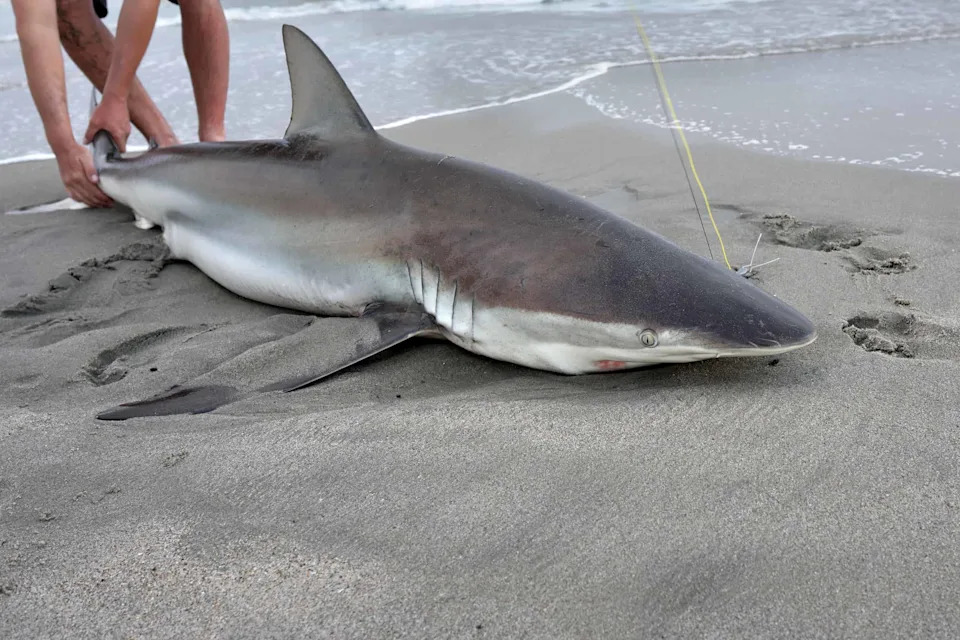
As water temperatures remain warm, sharks may swim closer to beaches in search of prey.©Oleg Znamenskiy/Shutterstock.com
Risk to Beachgoers
Despite rising sightings, the overall risk to swimmers remains low. California averages about 1.8 to 3 shark attacks per year, most of them minor, and there have been fewer than 20 fatal shark attacks in the state since 1950. The California Academy of Sciences emphasizes that shark attacks are rare compared with other hazards such as drowning or lightning strikes.
How Attacks Typically Occur
Most great white incidents occur in 10–30 feet (3–9 meters) of water, deeper than where many beachgoers swim. Many bites are investigative "test" bites at the surface, where a shark may mistake a surfboard, paddleboard, fins, or a kayak for a sea lion — their typical prey.
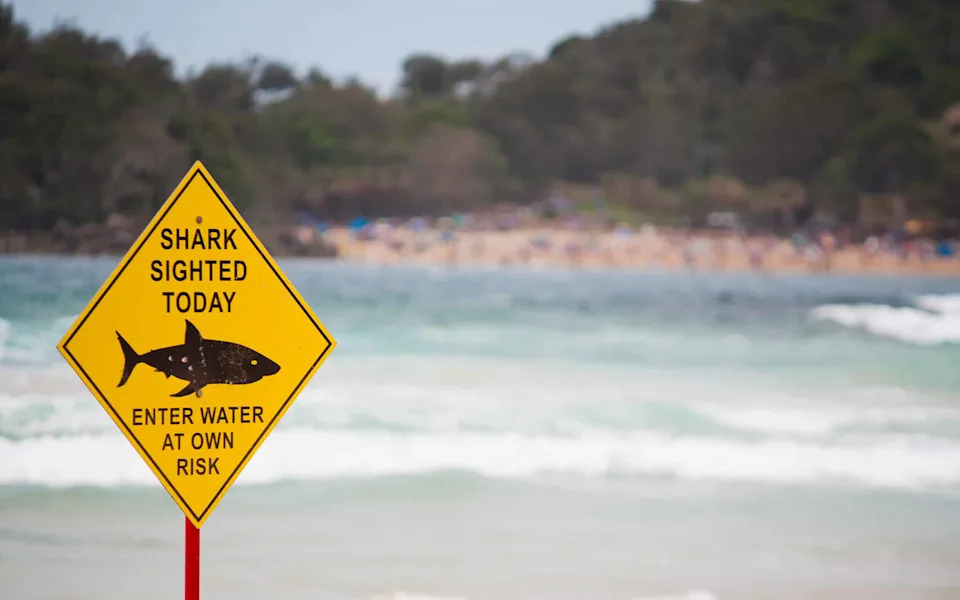
Beachgoers should take shark warnings seriously, especially in places where great whites have been sighted.©mingis/iStock via Getty Images
Precautions to Reduce Risk
- Swim with a buddy and stay where lifeguards are present.
- Avoid entering the water at dawn, dusk, or in murky, choppy conditions.
- Steer clear of areas where sea lions, seals, or large schools of fish are feeding.
- Keep distance from splashing or sick-looking fish and avoid shiny jewelry that could attract attention.
Bottom line: A strong El Niño could increase shark sightings along California's coast by concentrating prey near shore, but the absolute risk to most beachgoers remains low. Awareness and simple precautions are the best ways to enjoy the water safely.
Sources: California Academy of Sciences; regional marine biologists and observational reports.
Help us improve.