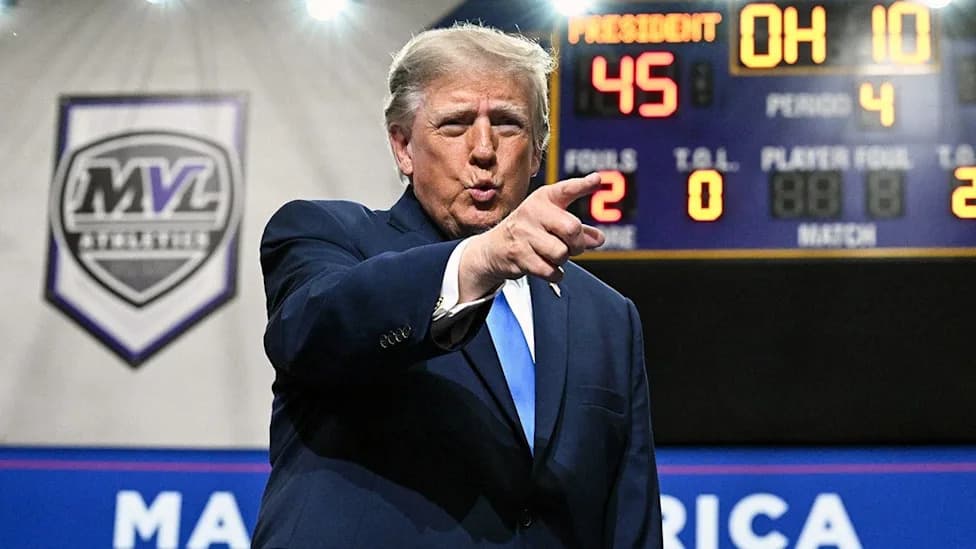
At a General Motors rally in Milford, President Trump credited tariffs with helping the auto industry and praised Michigan as "thriving," remarks met with both cheers and skepticism. Economists and some voters say tariffs have raised production costs and contributed to inflation, straining household budgets. Automakers have announced major U.S. investment plans, but job losses in parts manufacturing and an 8,300 decline in statewide manufacturing jobs since last April underscore lingering economic challenges. The event highlighted political stakes ahead of Michigan's primary and the November midterms.
Trump Praises Tariffs at GM Rally in Michigan — Some Supporters Voice Concern Over Rising Costs
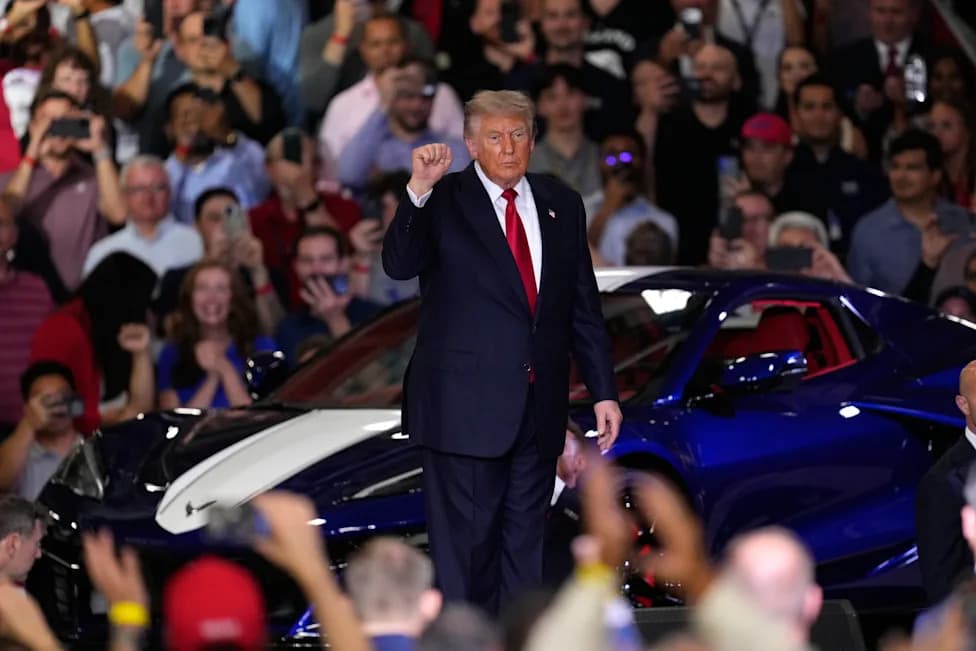
President Donald Trump arrives to speak at an event at the General Motors Proving Ground Monday, July 27, 2026, in Milford, Mich. (AP Photo/Paul Sancya)(AP Photo/Paul Sancya)
MILFORD, Mich. — Flying into a rally at a General Motors facility, President Donald Trump credited his tariff policies with helping the auto industry and hailed Michigan as "thriving" as he toured new vehicles and autographed a white Corvette marking America's 250th anniversary.
"All because of Trump," he told supporters, adding, "it's amazing what tariffs will do for General Motors." The upbeat message, repeated to cheers, stood in contrast with economic indicators and public concerns about higher prices and job losses tied to recent trade policies.
Economists and business leaders warn that tariffs have raised costs for U.S. companies, including automakers and parts suppliers, and helped push inflation higher — a reality at odds with the president's pledge that his business experience would rein in prices. Many consumers point to tariffs and global events, including tensions in the Middle East, as contributors to the rising cost of gasoline and everyday goods.
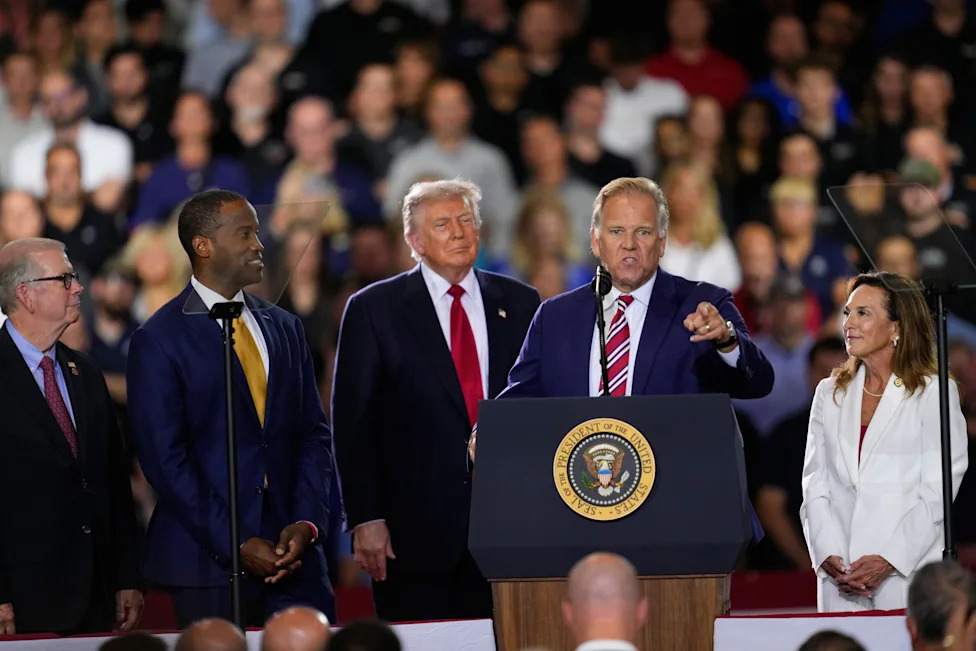
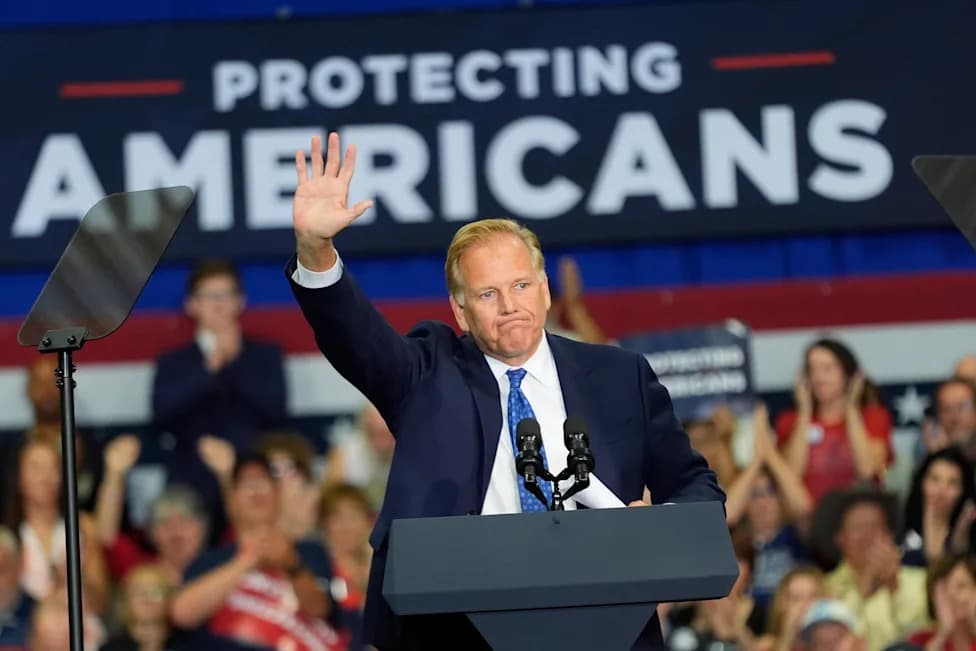
Republican Senate candidate Mike Rogers speaks as Rep. Tim Walberg, R-Mich., Rep. John James, R-Mich., President Donald Trump and Rep. Lisa McClain, R-Mich., listen at an event at the General Motors Proving Ground Monday, July 27, 2026, in Milford, Mich. (AP Photo/Paul Sancya)(AP Photo/Paul Sancya)
At the rally in Milford, some attendees dismissed short-term pain as a necessary step toward long-term gains. "You may not like it at first, but it's a short-term pinch, short-term pain, but long-term good," said Roy Parks, a self-employed handyman from Milford. Others — including longtime supporters living on fixed incomes — said higher prices are straining household budgets.
"He's forgot about the people on a fixed income," said Lisa Scherer, 64, who lives on Social Security and drove nearly five hours from Columbus suburbs to attend. "But I look at it like... No pain, no gain."
While the Supreme Court has weighed in on some aspects of the administration's tariff actions, the White House has also introduced new import taxes and recently invoked the Tariff Act of 1930 to allege discriminatory practices by Canada — proposing tariffs of up to 50% on a range of imports. Those moves come against the backdrop of deeply integrated U.S.-Canada supply chains that are particularly important to Michigan's auto sector.
Automakers have warned that higher import costs translate into higher production expenses. GM told reporters it was "honored to spend time showcasing our vehicles and facilities" at the event. In response to industry concerns, the administration extended a temporary rebate on auto-part tariffs last October, delaying a full tariff increase until 2030.
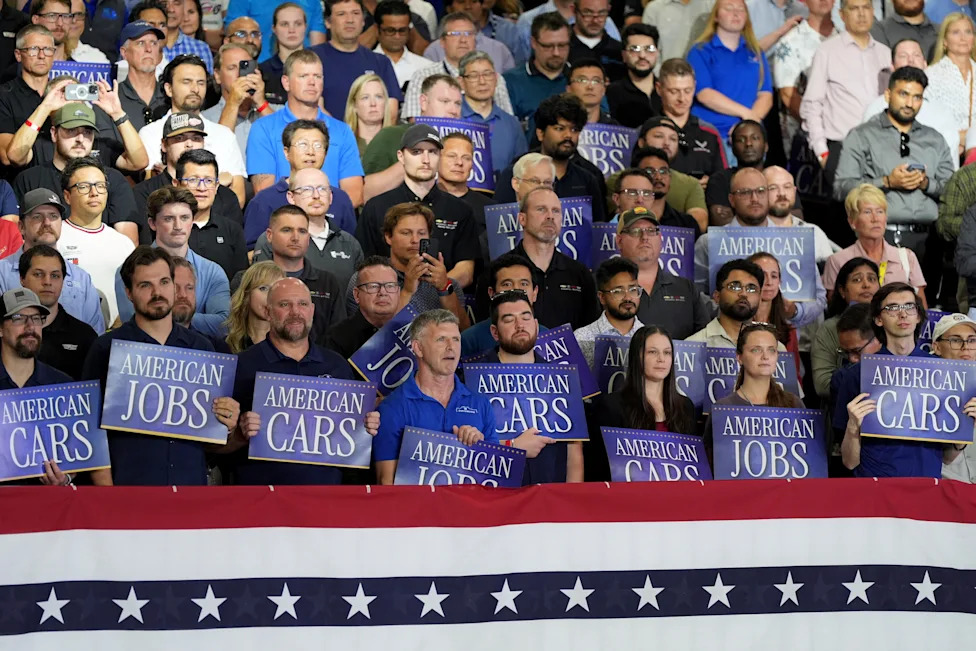
Attendees listen as President Donald Trump speaks at General Motors proving ground, Monday, July 27, 2026, in Milford, Mich. (AP Photo/Alex Brandon)(AP Photo/Alex Brandon)
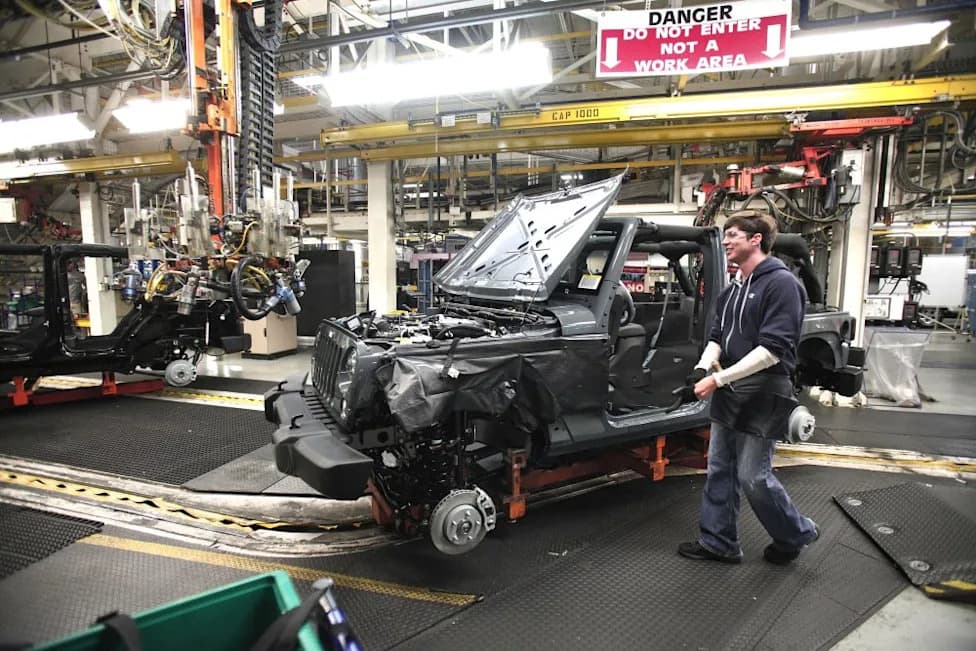
Manufacturing data paint a mixed picture. Auto companies have announced significant planned investments: GM disclosed in June 2025 a $4 billion plan to shift some production from Mexico to the U.S. starting next year; Toyota pledged about $3.6 billion to move Tacoma pickup production to Texas over several years, and Ford and Stellantis have outlined similar timetables. But those investments will take time to materialize, and Michigan has experienced modest auto-sector job growth while losing positions tied to parts manufacturing.
According to state and federal data cited at the rally, Michigan has lost roughly 8,300 manufacturing jobs since the administration announced its so-called "Liberation Day" tariffs last April, and jobs tied to auto parts manufacturing declined by about 4,000 year-over-year through June.
The political stakes are immediate. The rally showcased endorsements intended to shape Michigan's primary and the broader November midterms: Trump backed Rep. John James in the Republican gubernatorial primary, and former Rep. Mike Rogers urged voters to elect senators aligned with the president's agenda. Observers warned that economic frustrations could dampen Republican turnout in November.
Despite questions about the near-term economic impact, the rally atmosphere remained celebratory, with supporters chanting and praising the president's leadership. For now, the debate continues between those willing to accept short-term pain for promised long-term benefits and those who say rising costs are already taking a toll on everyday Americans.
Help us improve.