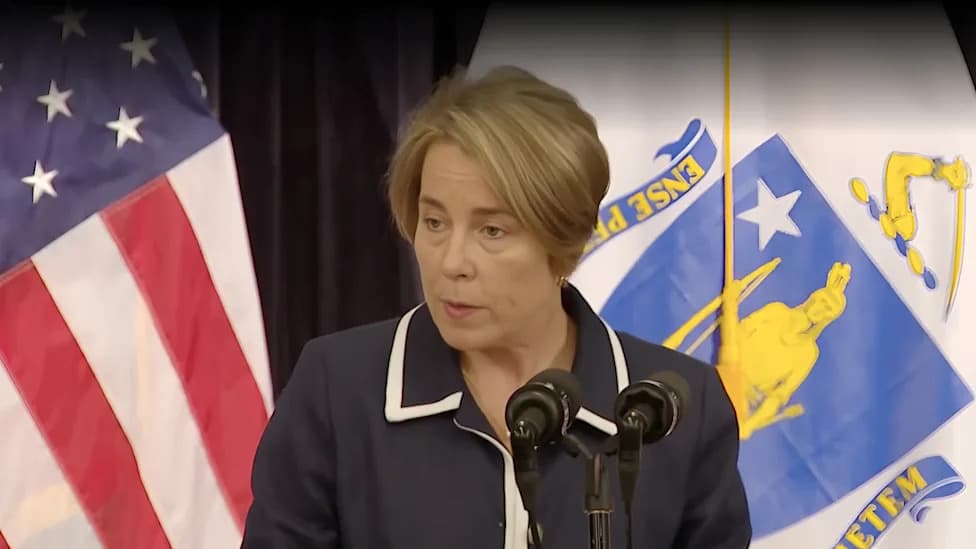
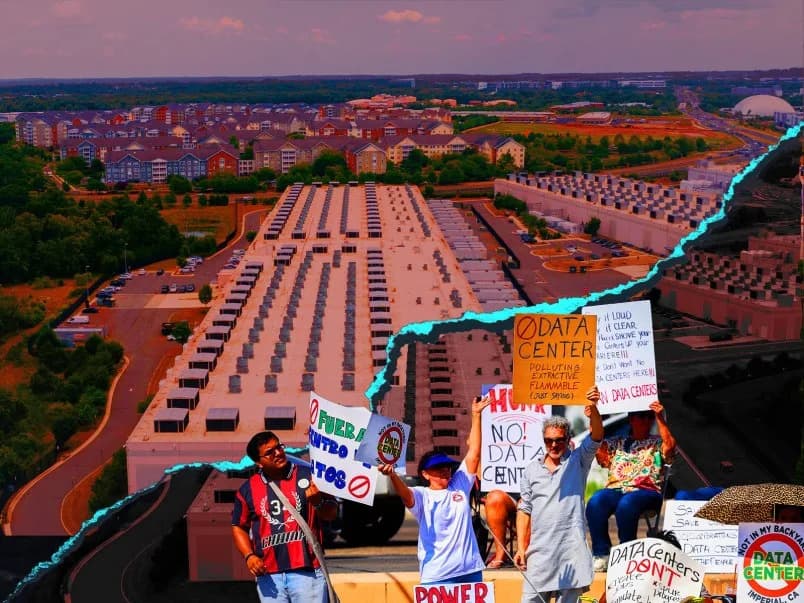
Massachusetts lawmakers debated but ultimately withdrew a proposed one-year moratorium on new data centers after leaders said it was unlikely to survive the legislative process. Senator Michael Moore also pulled an amendment to require 100% renewable power for new centers and protections for residential customers. Governor Maura Healey has paused tax incentives while the Legislature ties potential credits to clean-energy, water, and labor standards. The state is seeking a middle path to balance AI-driven economic opportunity with grid reliability and environmental concerns.
Massachusetts Pulls Back on Data Center Moratorium as AI Energy Concerns Grow
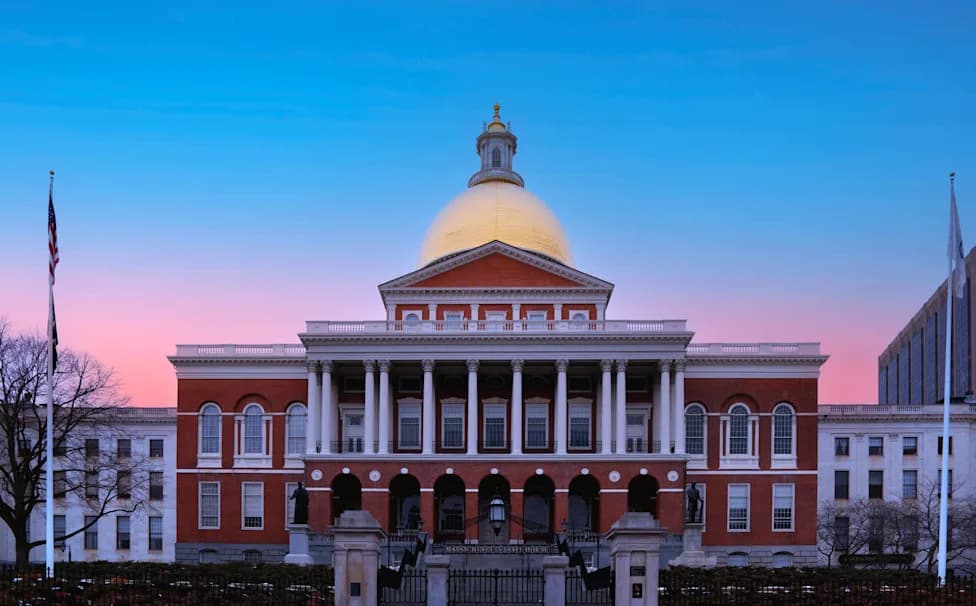
Photo Credit: iStock
Massachusetts Democratic lawmakers are increasingly uneasy about the infrastructure demands of artificial intelligence — especially the large data centers that power model training and inference — but they stopped short of adopting a statewide moratorium on new projects.
What started as a visible push for pause became muted when state Senator Michael Moore withdrew two amendments from a broad economic development bill: a one-year moratorium on new data centers and a requirement that new centers run on 100% renewable energy while protecting residential customers from added electricity costs.
Why The Amendments Were Withdrawn
Moore told colleagues he had been "working the room" and believed he had support, but Senate leadership warned the measures were unlikely to survive the larger legislative process and would probably fail in a House–Senate conference committee. Facing that prospect, Moore removed both amendments.
State And Local Signals
The decision comes amid mixed signals from state government. Governor Maura Healey initially approved a data center tax credit, then paused the incentive and urged developers to "bring your own clean energy." Meanwhile, several municipalities — including Lowell, Westfield, and Holyoke — have taken local steps to slow or more closely scrutinize new data center projects.
Why Data Centers Matter To The Grid
AI workloads require massive computing power, and large data centers can consume substantial amounts of electricity and cooling water. That raises concerns that new facilities could strain local grids, push up utility rates for households, stress water supplies, or raise environmental and permitting issues.
At the same time, proponents note that AI and modern data-center technologies can help the grid through improved demand management, more efficient operations, and support for clean-energy integration — creating a complex policy trade-off for lawmakers.
"Massachusetts has become a great case study," said Dan Dolan, president of the New England Power Generators Association, describing the policy uncertainty around where and how to site data centers while preserving grid reliability.
Rather than an outright ban, the state appears to be pursuing a middle path. The Massachusetts Senate passed an energy bill that ties eligibility for data center tax credits to standards for clean energy use, water conservation, and labor protections. Healey's administration has paused tax incentives to give leaders more time to set policy priorities.
Industry groups pushed back on the withdrawn moratorium. Chris Anderson, president of the Massachusetts High Technology Council, argued the state must remain competitive by attracting the infrastructure needed for next-generation AI rather than discouraging investment.
Looking ahead, Moore said he would "watch for other vehicles that come up between now and the end of the session" to try to revive the moratorium push, underscoring that the debate over balancing economic opportunity, grid reliability, environmental impacts, and ratepayer protections is far from resolved.
Help us improve.