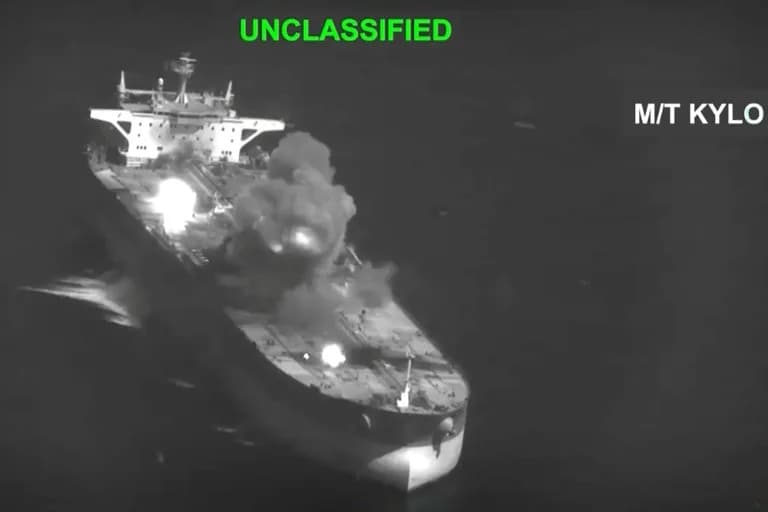
US President Donald Trump vowed strong retaliation after Iran struck US positions in Jordan, fueling a fresh round of regional violence. US and Saudi forces carried out strikes on militant bases in Iraq, while Iraq’s Hashed al-Shaabi reported at least 20 members killed and condemned the raids. Oil surged about 5% and markets fell as Iran claimed control of the Strait of Hormuz and the US announced new sanctions linked to Iran’s Revolutionary Guards.
Trump Vows Heavy Retaliation After Iran Strikes as Middle East Tensions Spike
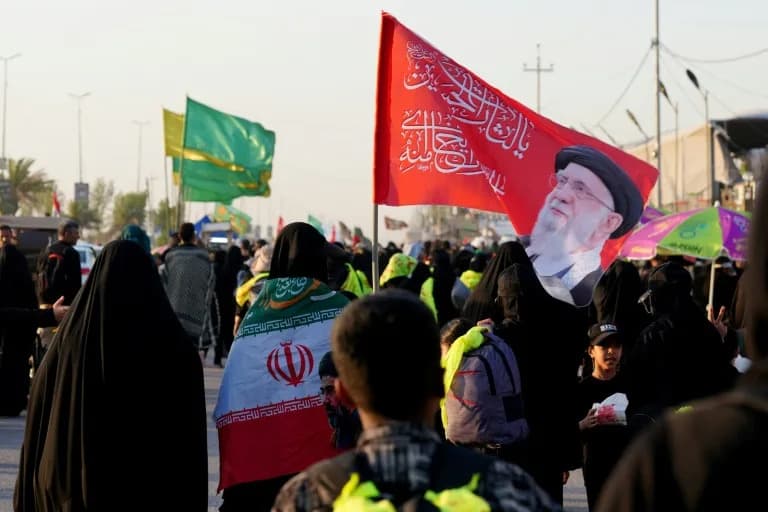
The Middle East war is expanding to new fronts (Qassem al-KAABI)
US President Donald Trump pledged a forceful response after Iran launched attacks on US positions in Jordan, an escalation that has reignited fighting across the region and drawn in Tehran’s network of proxy groups.
The announcement followed the collapse of a brief lull in hostilities that had raised hopes for renewed diplomacy. Energy markets reacted immediately: oil prices jumped roughly 5% amid fears of supply disruptions, while US stocks fell and long-term Treasury yields rose.
US and Saudi strikes: US and Saudi officials said they carried out strikes on militant positions in Iraq. The US military described the targets as logistics and weapons sites linked to an Iran-aligned group. Fox News later reported that President Trump said the strikes were "coordinated with the Iraqi government." Baghdad, however, condemned the attacks and vowed to defend its sovereignty.
Casualties and reactions: Iraq’s Hashed al-Shaabi (Popular Mobilisation Forces) said at least 20 members were killed and denounced the raids as a "dangerous escalation" against an official security institution. Two Hashed officials told AFP that five Iranian advisers were among those killed, and reporters described coffins draped with Iranian flags.
Regional and proxy activity: For two days Saudi Arabia reported drone attacks on its oil facilities that Riyadh blamed on Iraqi armed groups aligned with Tehran. Israel accused the Iran-backed group Hezbollah of deploying a drone into Lebanon and said this was a breach of the ceasefire. Iran’s Revolutionary Guards said they had targeted US bases in Jordan; Jordan’s army reported intercepting five Iranian missiles.
Maritime pressure: Iran’s Revolutionary Guards claimed they had intercepted and detained three tankers in the Strait of Hormuz and asserted "full control" of the waterway, even announcing plans to charge transit fees — a move opposed by Washington. The US announced additional sanctions targeting entities linked to the Guards accused of extorting ships in the strait. With Hormuz constrained, Saudi Arabia has emphasized the Red Sea as an alternative export route.
Trump on retaliation: Speaking on Fox News, President Trump warned: "We'll be hitting them hard...We are going to beat the 'effing s' out of them."
Diplomatic context: The US said the earlier pause in fighting was intended to open a path to negotiations, including talks over maritime security in the Strait of Hormuz. Iraqi Prime Minister Ali al-Zaidi recently visited both Washington and Tehran amid growing international pressure for Iraq to rein in pro-Iran armed groups operating on its territory.
Market impact and outlook: The renewed hostilities pushed US markets lower and sent yields on 30-year Treasury bonds to multi-decade highs. The situation remains fluid: military actions, diplomatic responses and economic measures — including sanctions — are likely to shape short-term regional stability and global energy markets.
Reporting details are based on statements from US, Saudi, Iraqi and Iranian officials and contemporaneous media reports.
Help us improve.