
Israeli Prime Minister Benjamin Netanyahu told ABC News that President Trump will make the final decision on U.S. action toward Iran and denied he pressured the president to resume attacks. He expressed skepticism that diplomacy alone can curb Iran's behavior but said it should be tried. Netanyahu defended the U.S.-Israel partnership despite recent tensions, warned Iran against striking Israel, and reiterated his aim to prevent Tehran from obtaining nuclear weapons.
Netanyahu: "It's His Decision" — Trump Holds Final Say On How To Handle Iran
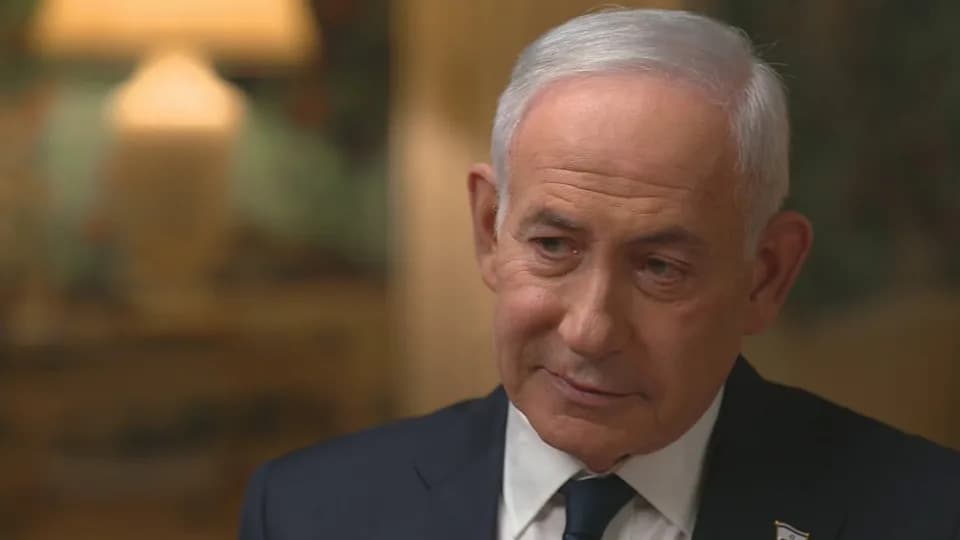
ABC News - PHOTO: Israel's Prime Minister Benjamin Netanyahu speaks with Linsey Davis of ABC News in Washington, July 29, 2026.
Israeli Prime Minister Benjamin Netanyahu told ABC News on July 29, 2026, that President Donald Trump is the ultimate decision-maker on how the United States should proceed in the conflict with Iran. Speaking in a sit-down interview with Linsey Davis on ABC News Live Prime, Netanyahu denied attempting to pressure Trump to resume attacks while Washington weighs diplomatic options.
On diplomacy and Iran's behavior
"I don't know if it's impossible, but I'm skeptical about Iran's modus operandi — they lie, they cheat and they buy time," Netanyahu said. "Could sufficient diplomatic and economic pressure change that? It's worth trying."
Netanyahu said he and Trump reviewed multiple options during a private White House meeting: pursuing broader negotiations with Iranian officials, continuing a blockade of the Strait of Hormuz, or taking further military action. He emphasized that the discussion was an open exchange between allies and that the final choice rests with President Trump.
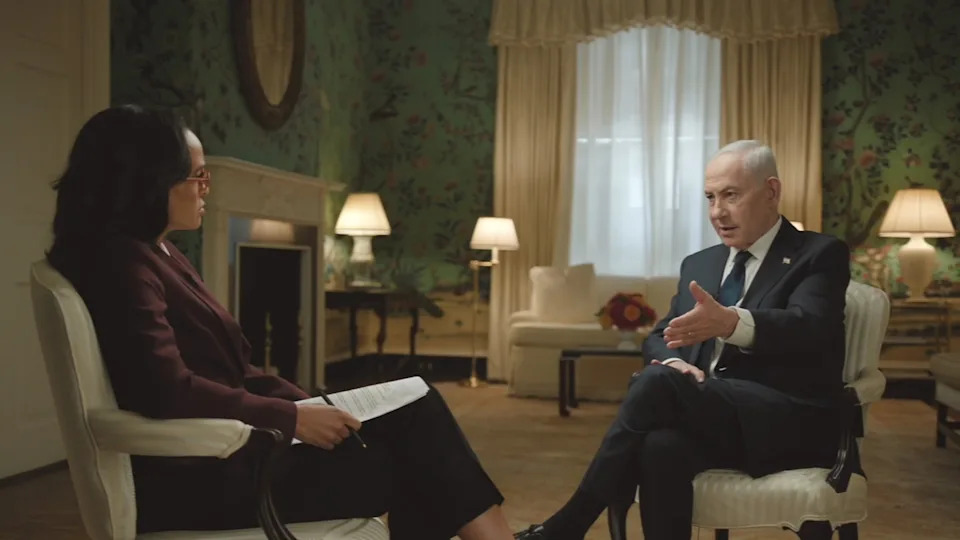
ABC News - PHOTO: Israel's Prime Minister Benjamin Netanyahu speaks with Linsey Davis of ABC News in Washington, July 29, 2026.
U.S.-Israel relationship and recent tensions
Netanyahu described the U.S.-Israel partnership as strong but acknowledged recent strains between the two leaders and within their cabinets amid six months of conflict. He said he had spoken with Vice President J.D. Vance to clear up allegations that elements of the Israeli government were manipulating U.S. public opinion to derail peace talks — an accusation Netanyahu rejected.
Public opinion and social media
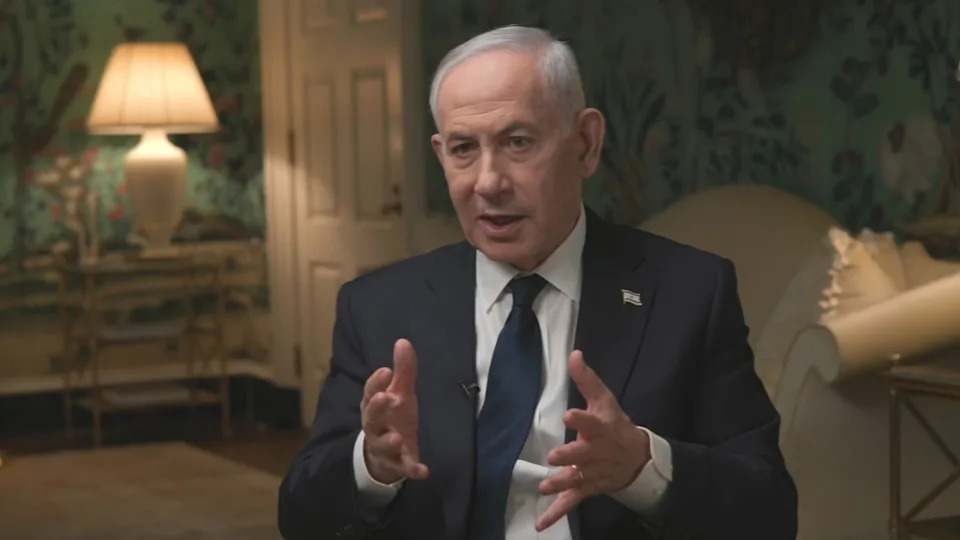
ABC News - PHOTO: Israel's Prime Minister Benjamin Netanyahu speaks with Linsey Davis of ABC News in Washington, July 29, 2026.
The prime minister pointed to the proliferation of social media and alleged manipulation by state actors as factors contributing to declining U.S. public support for Israel. "Does it concern me? Yes. I want bipartisan support for Israel because it's a foundation of our national security," he said.
Security, the Strait of Hormuz and nuclear aims
Netanyahu judged Iran to be "weaker than ever" after months of fighting but stopped short of saying the regime had collapsed. He warned that any direct Iranian strikes on Israel would be "a perilous mistake" met with a forceful response. He reiterated his long-standing goal — preventing Iran, under its current leadership, from acquiring nuclear weapons — and said he and President Trump share that objective.
On the strategic choke point of the Strait of Hormuz, he said disruption was possible but its long-term leverage could fade as countries and companies diversify routes and infrastructure. Separately, Netanyahu and Ukrainian President Volodymyr Zelenskyy each met with President Trump at the White House that week.
Reporting: Interview on ABC News Live Prime, July 29, 2026; White House meeting earlier that week.
Help us improve.





















