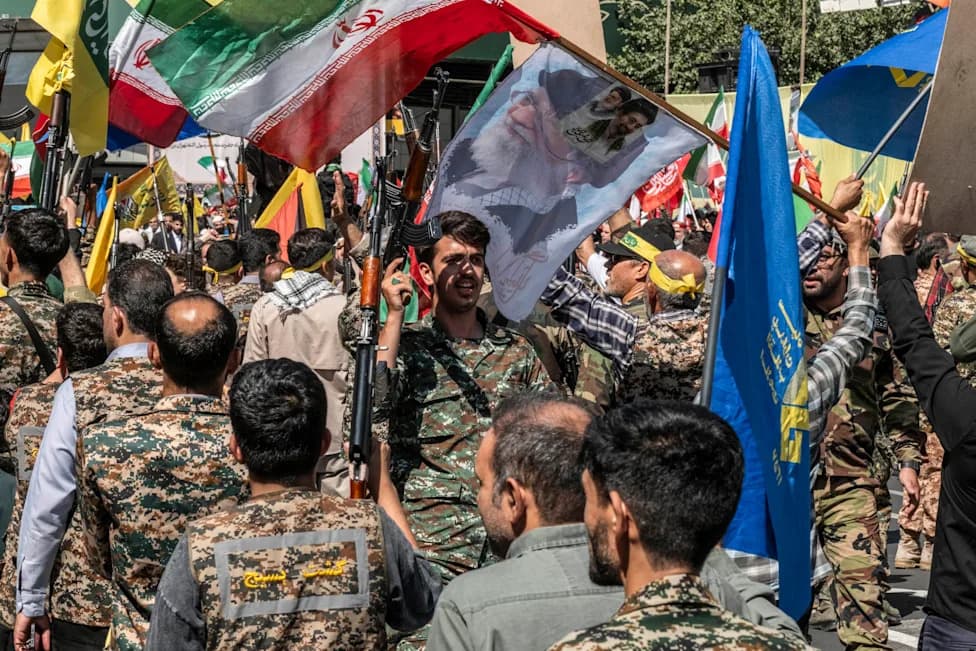
Overview: Iran ended a short lull in hostilities by launching a surprise strike that appears to have been initiated — not merely retaliatory. The timing, soon after Netanyahu's White House visit, has prompted analysts to see the attack as a deliberate signal and a shift toward preemptive operations. The strike triggered joint U.S.-Saudi strikes on Iran-backed militias in Iraq and underscores widening regional involvement. Experts warn that perceived U.S. restraint could be read as weakness and risk a new cycle of escalation unless diplomatic options are explored.
Why Iran Restarted Attacks After the U.S. Pause — A Strategic Shift With Risk of Wider Escalation
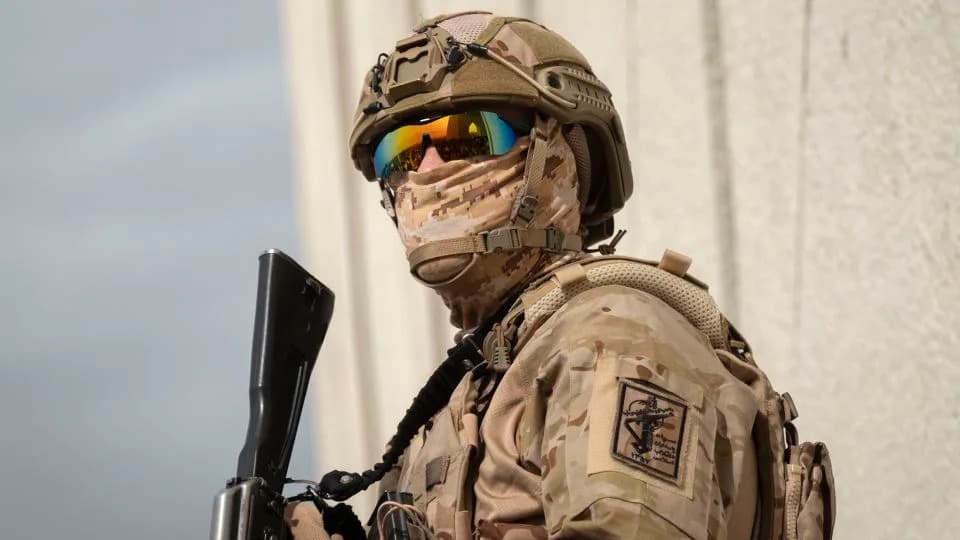
An armed member of the Islamic Revolutionary Guard Corps in Tehran, Iran, on February 11. - Morteza Nikoubazl/NurPhoto/Getty Images
Iran abruptly ended a brief period of relative calm in the Middle East by launching what U.S. officials called a "surprise" strike. Rather than merely answering a fresh U.S. strike, Tehran appears to have taken the initiative, signaling a willingness to use military force proactively to shape the conflict on its own terms.
What Happened
Hours after publicly suggesting it would mirror U.S. restraint, Iran targeted American forces. The strike came soon after Israeli Prime Minister Benjamin Netanyahu met President Donald Trump at the White House, a timing some analysts say was intended as a strategic signal. In response to subsequent attacks on U.S. forces and regional energy infrastructure, U.S. and Saudi jets struck Iran-backed militias in Iraq.
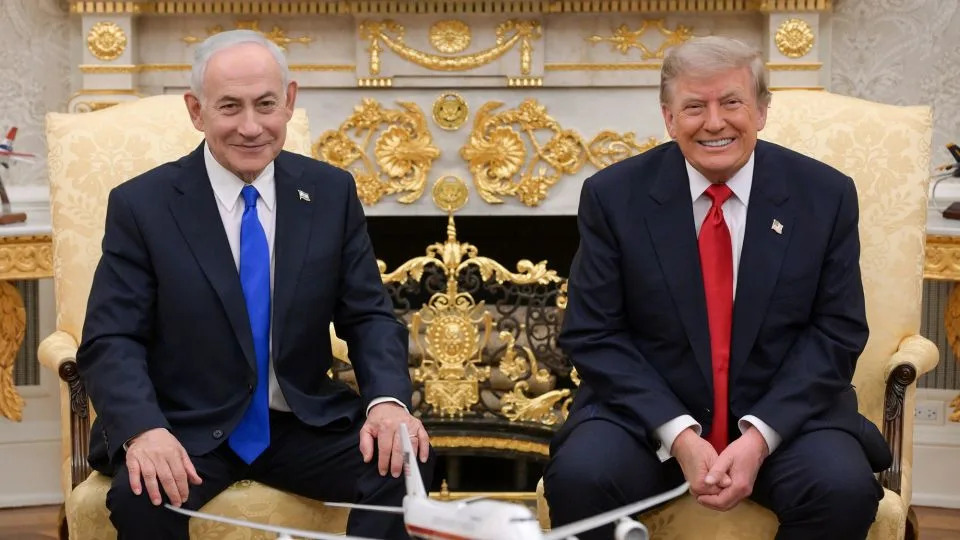
US President Donald Trump, right, meets Israeli Prime Minister Benjamin Netanyahu at White House on Tuesday. - Maâayan Toaf/GPO/Anadolu/Getty Images
Why Tehran Restarted the Fighting
Iranian officials framed the move as a defensive necessity tied to control of the Strait of Hormuz. Deputy Foreign Minister Kazem Gharibabadi told Iranian state television that Tehran sees the strait as a core national-security interest and would not tolerate alternative shipping arrangements — including plans by Oman and the U.S. to create parallel routes — that, in Iran's view, would weaken its claims of effective sovereignty.
Analysts say Tehran may now be prepared to initiate strikes if it detects what it perceives as imminent threats, reversing an earlier pattern of mostly reactive operations.
Regional Consequences
The exchange has widened the conflict. Saudi Arabia, which has tried to avoid direct engagement, now faces threats from Houthi forces in Yemen, Iran-backed militias in Iraq, and direct Iranian action. Experts warn that Washington's temporary pause may have been interpreted by Tehran as strategic weakness, increasing the incentive to escalate in order to extract concessions.
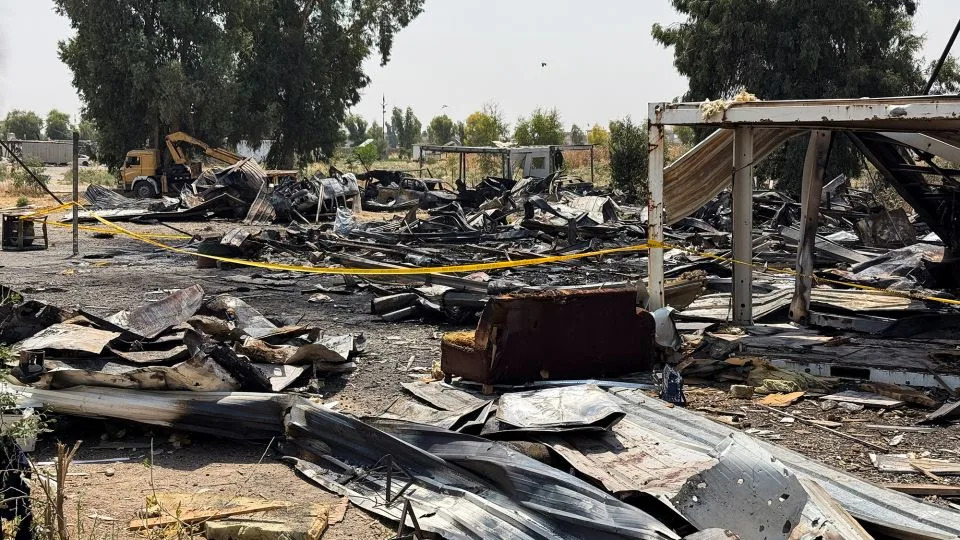
Damage at a site belonging to Iraq's Popular Mobilization Forces (PMF) following airstrikes that the PMF said were carried out by US and Saudi forces, in Bartella, Nineveh province, Iraq, on Wednesday. - Khalid Al-Mousily/Reuters
Choices Ahead
Observers identify two stark paths: policymakers can either offer limited accommodations to reduce Iranian incentives for further escalation, or prepare for a protracted conflict marked by repeated attacks on shipping, energy infrastructure and trade routes. Both options carry risks; the outcome will depend on how the United States, Gulf partners and Tehran manage credibility, deterrence and diplomatic channels.
Sources: Reporting and analysis by regional experts and statements from U.S. and Iranian officials. Contributors: Aida Karimi, Eyad Kourdi, Dana Karni, Mohammed Tawfeeq and Tal Shalev.
Help us improve.