
SpaceX asked the FCC in January 2026 for authorization to deploy up to one million solar-powered satellites as orbital AI data centers operating between 500 km and 2,000 km. Studies show burning spacecraft release metal oxides and alloy particles — NASA-funded work estimates ~66 pounds of aluminum oxide from a single 550-pound satellite, and NOAA found spacecraft materials in ~10% of sampled stratospheric aerosols. Researchers warn mass reentries could alter stratospheric chemistry and harm ground-based astronomy, while current regulations do not address large-scale reentry pollution.
SpaceX’s Proposal for a Million AI Satellites Raises Alarming Questions About Upper-Atmosphere Chemistry
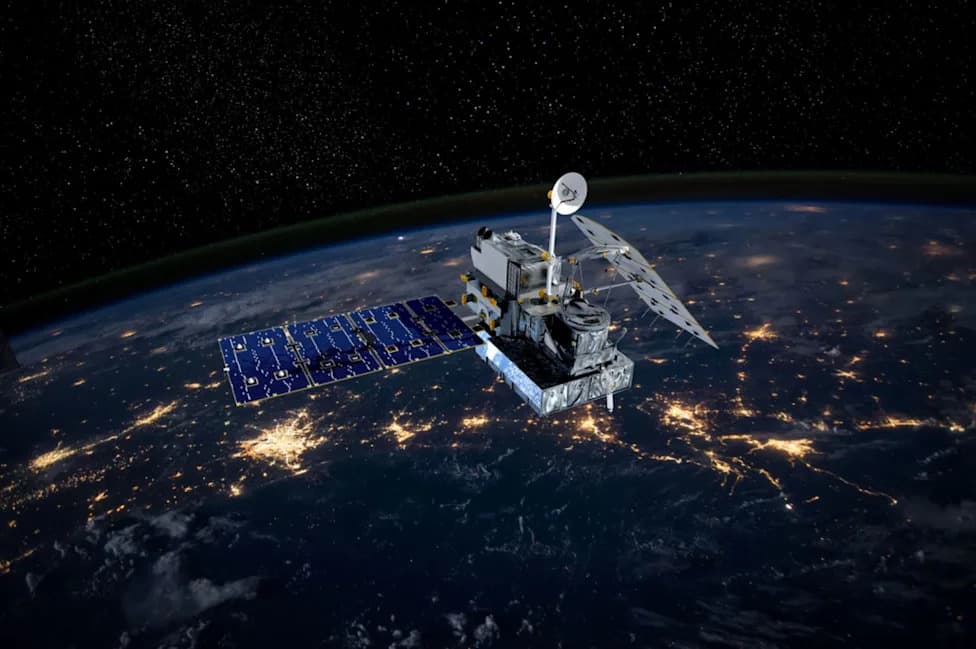
Image: Deposit Photos
SpaceX filed an FCC application in January 2026 seeking permission to deploy up to one million solar-powered satellites as orbital AI data centers. The plan — which would place satellites between roughly 500 km and 2,000 km in altitude in orbital shells about 50 km thick — promises advantages such as near-constant sunlight and vacuum cooling. But atmospheric scientists warn the proposal could have unintended consequences for the chemistry of the upper atmosphere.
What the Proposal Would Do
SpaceX estimates a full build-out could add on the order of 100 GW of AI compute capacity per year. Terrestrial data centers face rising power and cooling constraints, so moving compute into space is technically appealing. The company says it would "start small" and phase deployment while monitoring environmental effects in coordination with federal agencies.
Evidence From Reentries and Atmospheric Sampling
Researchers point to multiple lines of evidence showing that burning spacecraft materials can change stratospheric composition:
- NASA-funded analyses indicate a single 550-pound satellite can release roughly 66 pounds (~30 kg) of aluminum oxide nanoparticles when it burns up on reentry.
- NOAA aerosol samples found aluminum and spacecraft-alloy signatures in about 10% of stratospheric particles, a mix more consistent with spacecraft debris than ordinary meteoric dust.
- Recent reentries provide a real-world example: between December 2024 and May 2025, SpaceX intentionally incinerated 472 Starlink satellites. One uncontrolled Falcon 9 upper-stage reentry produced a lithium plume measured at ~100 km altitude at about ten times normal daily levels.
- Scientists described these measurements in Science as "the first direct evidence of how satellite re-entries are changing the composition of the stratosphere." Current operations average roughly four Starlink reentries per day, introducing aluminum, lithium, copper and lead into the upper atmosphere.
Scale Matters
Durham University researchers described the practice as "space sector fly-tipping." Scaled up toward hundreds of thousands or a million satellites, routine reentries and accidental burn-ups could effectively run a large, uncontrolled atmospheric chemistry experiment — with uncertain impacts on ozone, radiative properties, and upper-atmosphere chemistry.
Regulatory And Scientific Gaps
The regulatory framework is limited: the FCC licenses radio spectrum and orbital operations but does not set rules for atmospheric chemistry. UN space-debris guidelines are voluntary, and no binding international rules currently govern what mass reentries do to the stratosphere. Scientists told NBC News that corporate pledges to monitor impacts are helpful but insufficient without enforceable standards and rapid, coordinated international action.
Astronomy And Other Concerns
Astronomers warn of additional harms: tens of thousands of bright, moving satellites at once would exacerbate interference with ground-based optical and infrared astronomy, compounding long-exposure streaks already attributed to Starlink.
Costs, Timing, And Uncertainties
Analysts estimate the full program could carry a price tag on the order of $2 trillion and likely would not be viable before the mid-2030s. Companies often request more authorizations than they ultimately launch, so a million satellites is not guaranteed. Still, experts emphasize that even a much smaller fraction of that scale could substantially alter upper-atmosphere chemistry.
Bottom line: The potential benefits of orbital AI must be weighed against measurable, poorly regulated changes to the stratosphere and serious impacts to astronomy. Policymakers, scientists, and industry need faster, binding international rules and independent monitoring before such a program moves forward.
Help us improve.





















