The acting head of the World Food Program warned that the Ebola outbreak in eastern Democratic Republic of the Congo is worsening an already severe food crisis, compounding hunger driven by years of conflict. The WFP reports over 2.7 million people in Ebola-affected zones now face acute food insecurity, including about 628,000 in emergency conditions. The agency has delivered more than 160,000 hot meals but urgently needs additional donor funding to scale up assistance while health teams work to contain the Bundibugyo virus.
Ebola Fuels Food Crisis in Eastern DRC, WFP Warns of a "Crisis on Top of a Crisis"
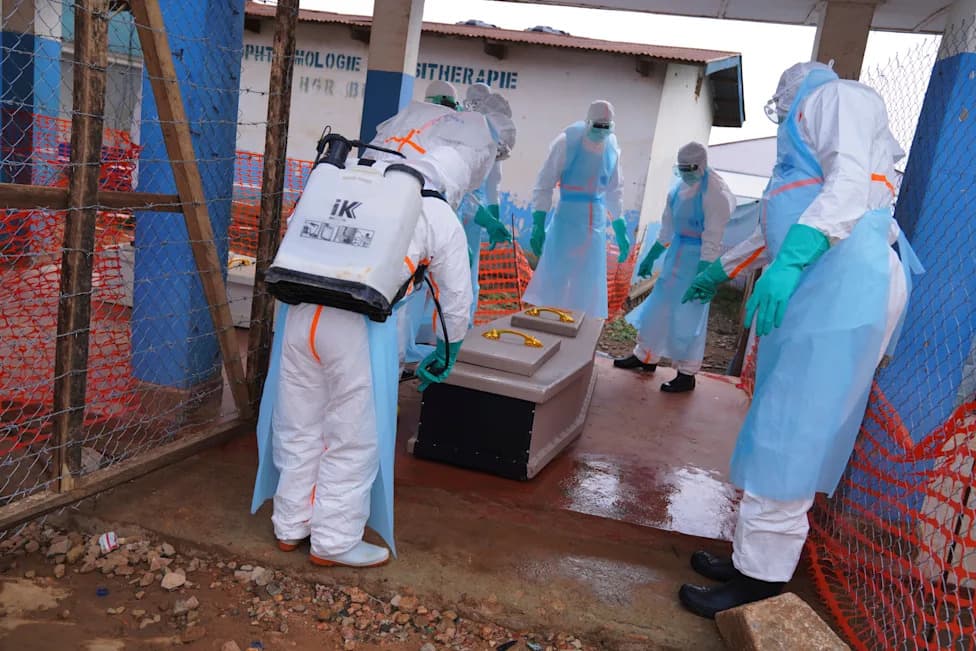
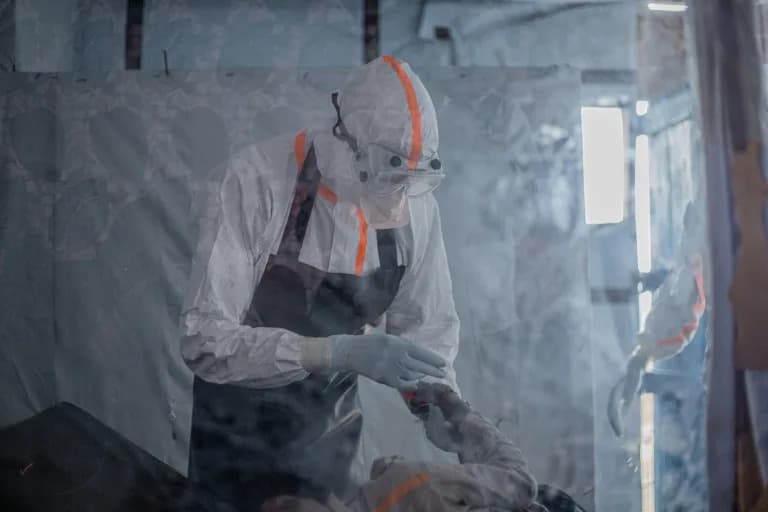
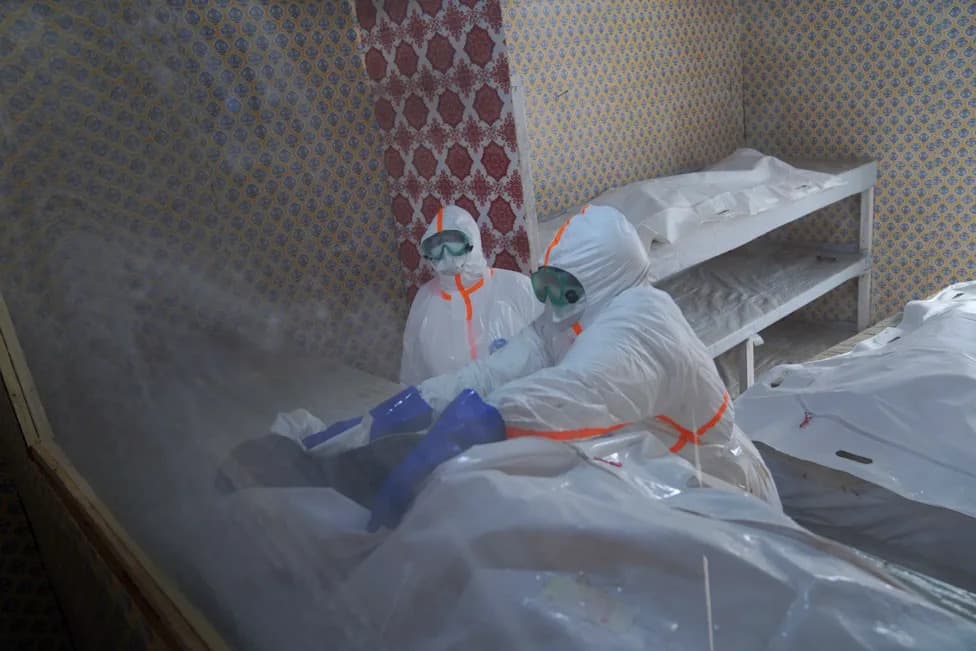
Health workers disinfect a coffin of an Ebola victim at Ebola Treatment Center at Bunia General Hospital in Ituri, Congo, Wednesday, July 22, 2026. (AP Photo/Dirole Lotsima Dieudonne)(AP Photo/Dirole Lotsima Dieudonne)
The Ebola outbreak in eastern Democratic Republic of the Congo is deepening an already dire food crisis, the acting head of the World Food Program (WFP) warned during a visit to Ituri province. Carl Skau described the situation as a "crisis on top of a crisis," with the epidemic compounding chronic hunger driven by years of conflict and displacement.
Scale of the Crisis
Before the current outbreak, more than five million Congolese were already experiencing emergency-level food insecurity, and nearly 10 million people in the east had been pushed into crisis or emergency levels of hunger. The WFP reports that across roughly 48 Ebola-affected health zones, more than 2.7 million people now face acute food insecurity, including about 628,000 in emergency conditions. Ituri province — the epicenter of the outbreak — accounts for roughly 1.9 million of the most affected people.
Impact of Outbreak Response on Food Access
Since the outbreak was declared on May 15, authorities have recorded 3,360 confirmed Ebola cases and 1,487 deaths. Measures intended to slow transmission — including border closures and restrictions on movement and large gatherings — have disrupted markets, supply routes and local livelihoods, driving up food and fuel prices and making it harder for families to access basic food supplies.
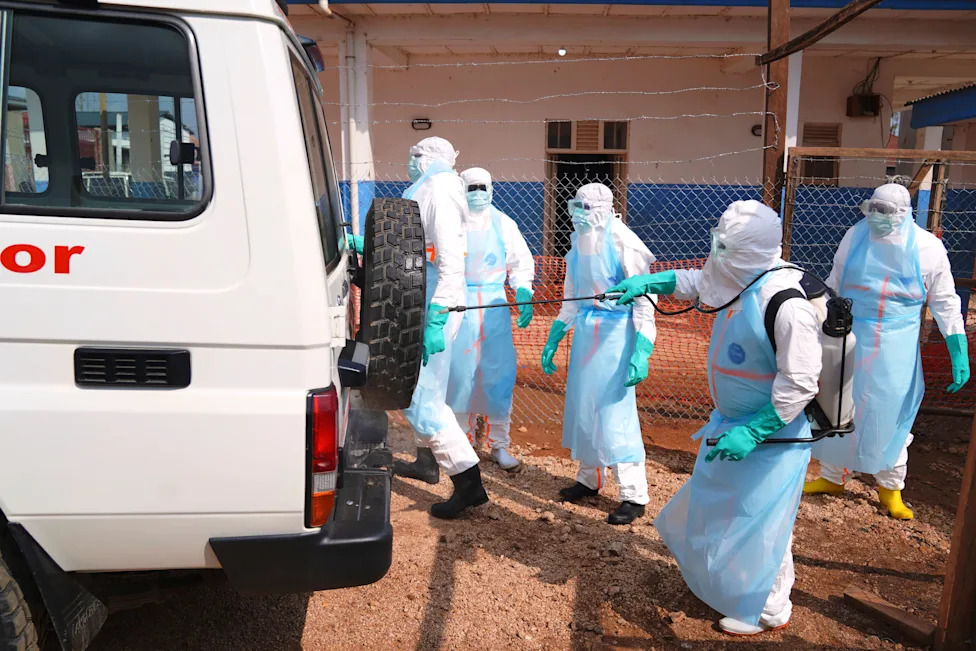
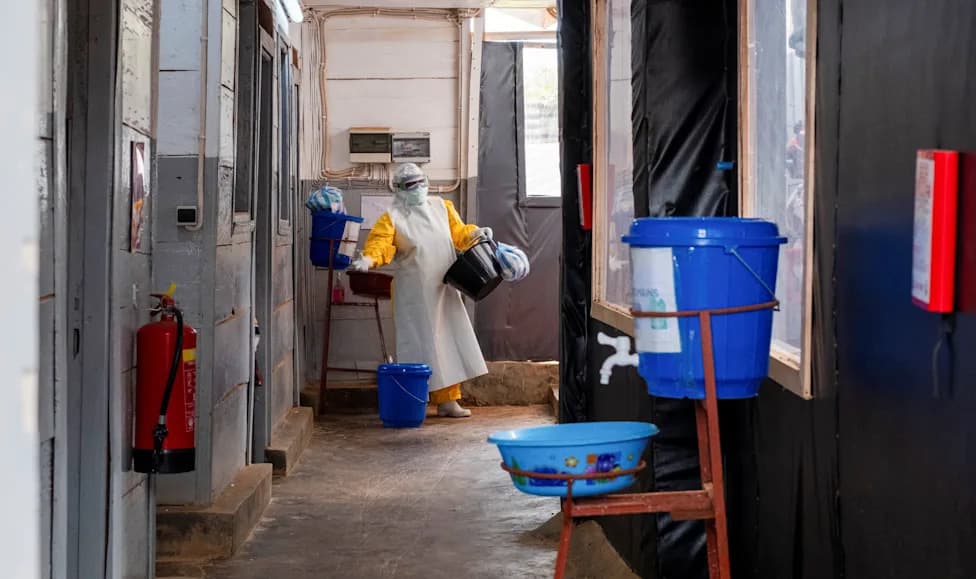
Health workers disinfects an ambulance at Ebola Treatment Center at Bunia General Hospital in Ituri, Congo, Wednesday, July 22, 2026. (AP Photo/Dirole Lotsima Dieudonne)(AP Photo/Dirole Lotsima Dieudonne)
Humanitarian Response
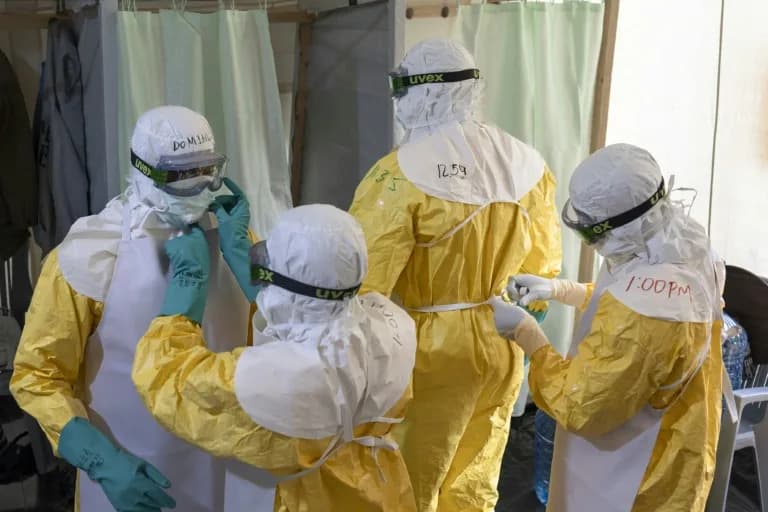
The WFP says it has delivered more than 160,000 hot meals to patients, contacts and frontline workers in 17 treatment and isolation centers and is expanding food assistance where possible. "Getting food to people is a critical part of the response," Skau said, urging donors to increase funding so the agency can scale up operations and relieve immediate pressures in Ituri.
Voices From the Ground
In Mongbwalu, a mining town near one of the outbreak's epicenters, residents report growing difficulty feeding their children as a result of both insecurity and Ebola-related restrictions. "Accessing food here is one of the hardest things we've had to deal with recently," said Kahambu Deborah, a 40-year-old mother of six. Health officials in the region report rising cases of malnutrition, including among people at treatment centers.
WFP monitoring assistant Tourne Kasereka said food assistance has helped reduce movement by people searching for ways to survive, which can also limit potential virus spread.
Why This Outbreak Is Particularly Challenging
This outbreak is caused by the Bundibugyo virus, which currently has no approved vaccine or treatment, unlike strains involved in many previous outbreaks in the DRC. Officials warn the virus is spreading faster than health teams can trace despite an expanding response, increasing the urgency of combined health and food-security interventions.
Next Steps: The WFP is calling on donors to provide additional resources immediately to scale up food deliveries, protect livelihoods and support vulnerable families while health teams work to contain the outbreak.
Help us improve.