This summer, record marine warmth is drawing Mediterranean species — including giant ocean sunfish and sea hares — to Wales' coastline. Met Office data show seas are about 2°C warmer on average, with some areas up to 5°C above normal. Anglesey Sea Zoo has switched on chillers early, is treating cold-stunned turtles and is fundraising for the U.K.'s first turtle rescue centre. Scientists warn that El Niño combined with long-term ocean warming could worsen impacts on marine life, fisheries and public safety.
Wales Shores Fill With Sunfish, Sea Hares and Venomous Visitors as UK Seas Reach Record Heat
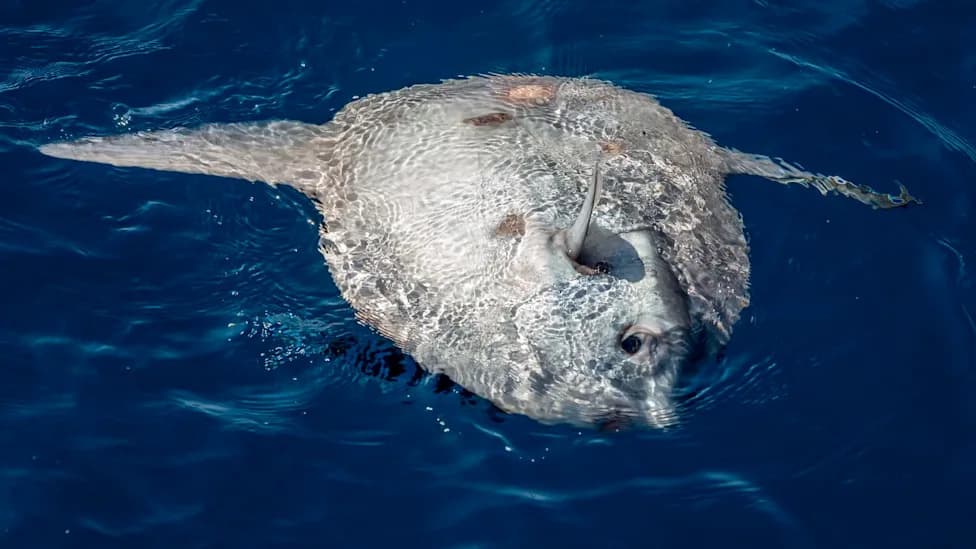
Photo Credit: iStock
This summer, an unusually warm marine spell has drawn Mediterranean species and other unexpected visitors to Wales' coastline, from giant ocean sunfish to sea hares and clusters of purple "by-the-wind" sailors.
Heatwave Drives New Sightings
Met Office analysis shows U.K. sea surface temperatures are running about 2°C warmer on average than usual, with some coastal stretches of Wales and England experiencing anomalies approaching 5°C. Local groups and aquariums are already noticing the effects.
Ocean sunfish (Mola mola), the world’s second-largest bony fish, have been spotted repeatedly along Welsh shores. Other recent sightings include a minke whale off Ceredigion and a grey triggerfish caught near Anglesey.
Zoos and Rescuers Respond
Frankie Hobro, owner and director of Anglesey Sea Zoo, described the sunfish sightings as "amazingly rare." The aquarium switched on its water chillers a month earlier than in 2022 to keep exhibit water temperatures safe for its animals.
Rescue teams are also seeing more cold-stunned turtles that drifted north in warm water and then became trapped when autumn storms and sudden cooling arrived. Rehabilitation of these turtles can take a year or more, and increased strandings have prompted the zoo to fundraise for what would be the U.K.'s first dedicated turtle rescue and rehabilitation centre.
Why It Matters
Hobro warned that an El Niño year stacked on top of a marine heatwave "could mean worse is yet to come." Warmer seas can shift species ranges, alter feeding behavior, affect fisheries and seafood production, and change how ecosystems respond to abrupt weather swings.
"Marine biologists don't believe temperatures have reached lethal levels off Britain's coasts yet, but should they continue to rise, that may change. For the sea creatures within, there will be no escape from the heat," Hobro said.
Public Safety And What To Watch For
Warmer water can bring unfamiliar — and sometimes hazardous — species closer to shore. Likely newcomers to U.K. waters include the Portuguese man o' war, whose sting can cause severe pain, and the weever fish, the U.K.'s only venomous fish. Beachgoers should take usual precautions: keep a safe distance from jellyfish-like organisms and report dangerous strandings to local authorities.
How You Can Help
Reporting unusual sightings to local wildlife groups helps scientists monitor how quickly warming seas are reshaping coastal ecosystems. Support for local rescue centres and targeted fundraising can expand capacity for rehabilitation as marine heatwaves and abrupt weather changes place added strain on marine animals.
Key facts: Sea temperatures ~2°C above average (some areas up to ~5°C), repeated ocean sunfish sightings, minke whale and grey triggerfish recorded, earlier aquarium chilling and growing turtle rescue needs, El Niño plus long-term warming from fossil fuels may intensify impacts.
Help us improve.