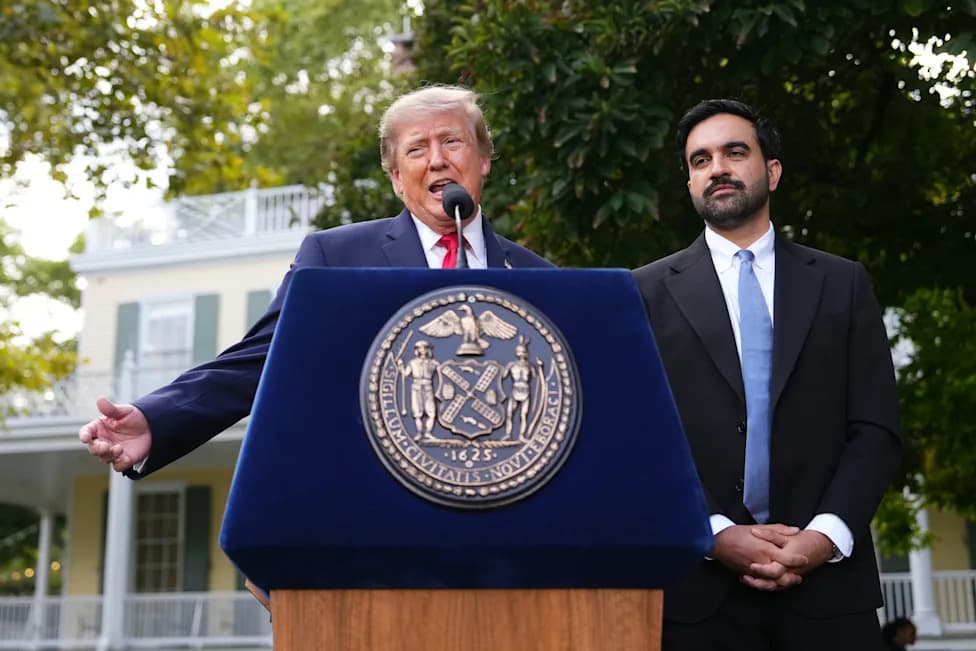
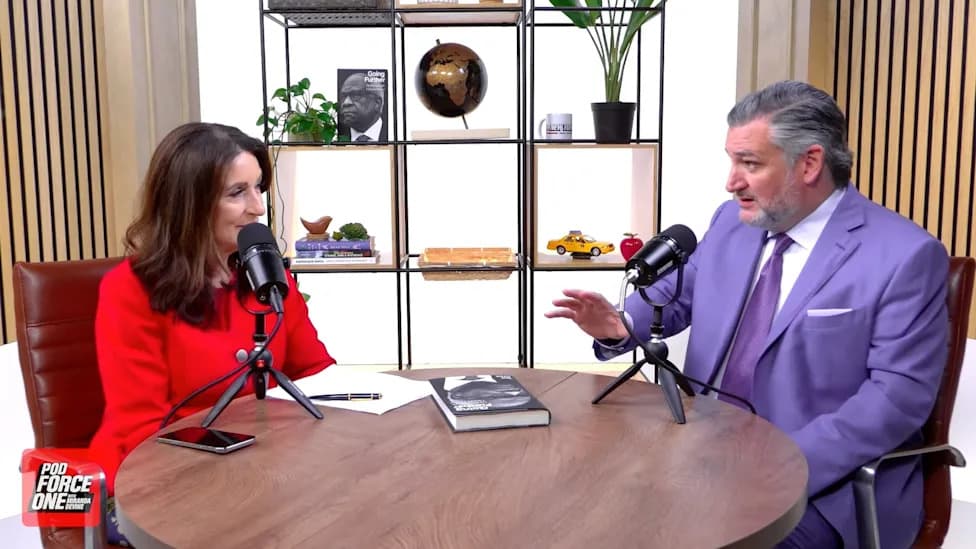
Sen. Ted Cruz mocked New York City Councilmember Zohran Mamdani as "comrade Mamdani" on Fox News and criticized the wealth of leaders in authoritarian regimes, prompting critics to say his comments could just as easily describe President Donald Trump. Mamdani is a democratic socialist, not a communist. Observers pointed out that Trump’s reported net worth has risen by more than $2 billion since returning to the White House, including over $1 billion tied to crypto, and that the Wall Street Journal has accused the president and his family of profiting from the office. The incident underscores how political rhetoric can be interpreted in unexpected ways.
Ted Cruz's On-Air 'Comrade' Jab At Mamdani Read By Critics As An Unintended Shot At Trump
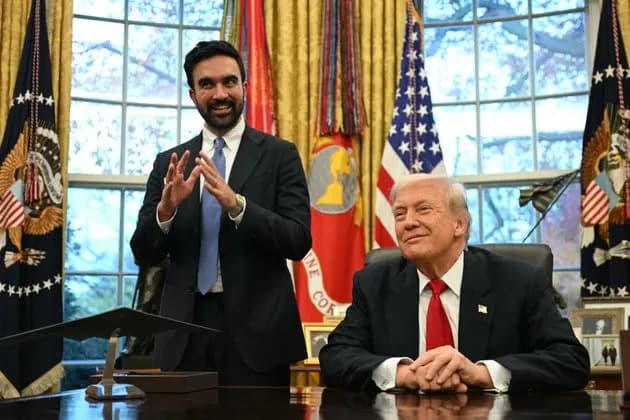
President Donald Trump, right, was all smiles when he met with Zohran Mamdani in the Oval Office last November. Jim WATSON / AFP via Getty Images
Sen. Ted Cruz (R‑Texas) sparked criticism on live television after a Fox News appearance in which he mocked New York City Councilmember Zohran Mamdani as "comrade Mamdani" and attacked what he called the wealth of leaders in authoritarian regimes.
During the interview, Cruz said,
"But that's always the case. Fidel Castro was a billionaire. Putin is a billionaire. The leaders of communist regimes are always rich. They steal and rob from those they govern."
Mamdani, who is a democratic socialist and a New York City councilmember, was criticized by Cruz for owning a home in Uganda, the country where he was born. Observers noted, however, that Mamdani is not a communist — and many readers and commentators said Cruz's sweeping language could equally describe other wealthy leaders, including President Donald Trump.
Critics pointed to reporting that President Trump’s personal wealth has reportedly risen by more than $2 billion since he returned to the White House, including over $1 billion tied to crypto-related ventures — even as many other crypto holders suffered heavy losses, according to The New York Times. The Wall Street Journal editorial board has also accused the president and members of his family of "profiting off the presidency in ways that demean the office."
Given that context, many observers read Cruz's comments about authoritarian leaders who become rich and "steal and rob" as an unintended critique of Trump. Others framed Cruz's remarks as part of a broader Republican trend of adopting rhetoric — popularized by Trump — that labels political opponents as "communists" or ideological enemies.
Why it matters: The exchange highlights how charged political rhetoric can backfire, blurring the intended target and fueling media and public debate about wealth, power and the use of presidential office for private gain.
Reporting referenced: The New York Times; The Wall Street Journal editorial board.
Help us improve.