Colt Gray, who pleaded guilty to 55 charges including four counts of murder for the September 4, 2024, Apalachee High School shooting, declined to speak as a judge prepares to hand down an expected life sentence. Testimony during the three-day hearing examined his troubled upbringing, mental health and an online fixation on past shooters, alongside evidence suggesting he sought notoriety. Victim impact statements described enduring trauma, while experts disagreed about Gray's diagnoses and potential for rehabilitation. Separately, Gray's father was convicted for providing the rifle and faces sentencing this week.
Colt Gray Declines to Speak Ahead of Expected Life Sentence in 2024 Apalachee High School Shooting
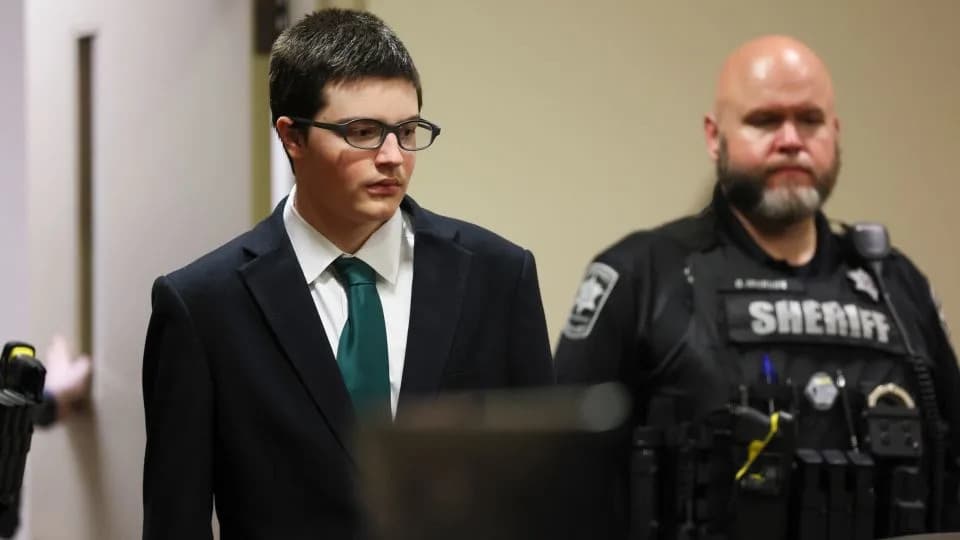
Colt Gray, 16, is expected to be sentenced to life in prison for killing four people at Apalachee High School in Winder, Georgia, in September 2024. - Jason Getz/Pool/Atlanta Journal-Constitution
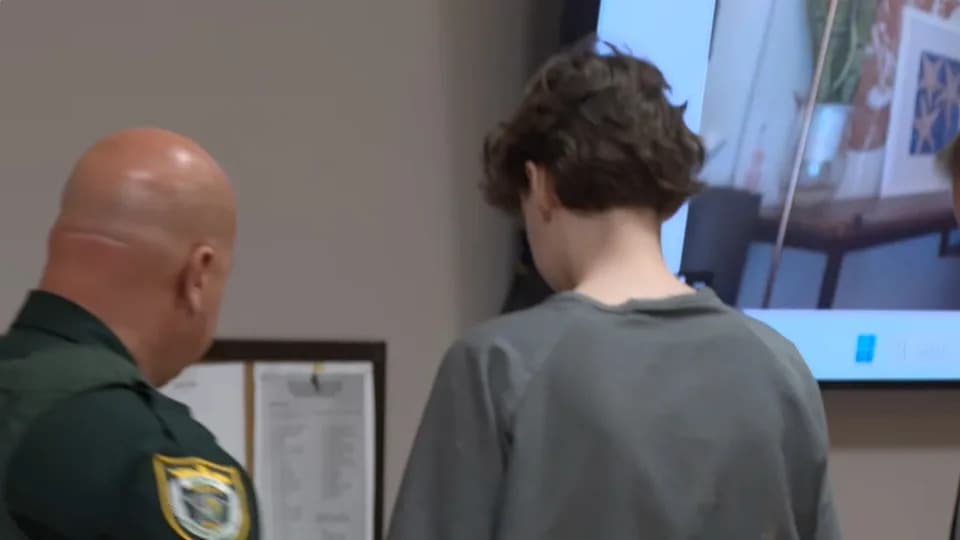
Colt Gray, the Georgia teenager who pleaded guilty to 55 charges including four counts of murder for the September 4, 2024, shooting at Apalachee High School, declined to address the court on the final day of a three-day sentencing hearing. Judge Nicholas Primm is expected to impose a life sentence and must decide whether that term will include the possibility of parole.
Sentencing Hearing and Case Overview
The hearing included Gray's guilty plea, emotional victim impact statements, recorded confessions and detailed testimony about his motive and mental health. Prosecutors and defense attorneys disputed whether Gray can be rehabilitated; experts and family members offered contrasting views. Gray has been jailed since he surrendered to police the day of the attack.
The Attack
On the morning of September 4, 2024, school officials and resource officers attempted to intercept the then-14-year-old after concerning comments, but they mistakenly identified another student named Kolton Gray, allowing Colt to remain at school. He brought an AR-15–style rifle hidden inside his backpack into a math classroom, opened fire and later shot additional people in a hallway.
Teachers Richard Aspinwall and Cristina Irimie and students Mason Schermerhorn and Christian Angulo were killed; nine others were injured. Gray surrendered the same day and later pleaded guilty to 55 charges, including four counts of murder.
Family Background and Related Proceedings
Testimony during related proceedings has described a turbulent childhood. Witnesses and records show Colt experienced repeated moves, chronic school absences—including an entire missed eighth-grade year—and family instability tied to his mother Marcee Gray's substance problems. In October, he was placed in emergency foster care after a court order limited his mother's contact; his maternal grandmother, Deborah Polhamus, was later named guardian.
Polhamus testified that Colt struggled deeply with family life but said she believed he could be rehabilitated with proper mental health treatment:
"The Colt that I knew and the Colt that I know now is not the Colt that did all of this. His mind was so distorted and ... he had convinced himself that this was the way for him to go because then he could be somebody. All he ever wanted was to have a friend. All he ever wanted was to be included and loved."
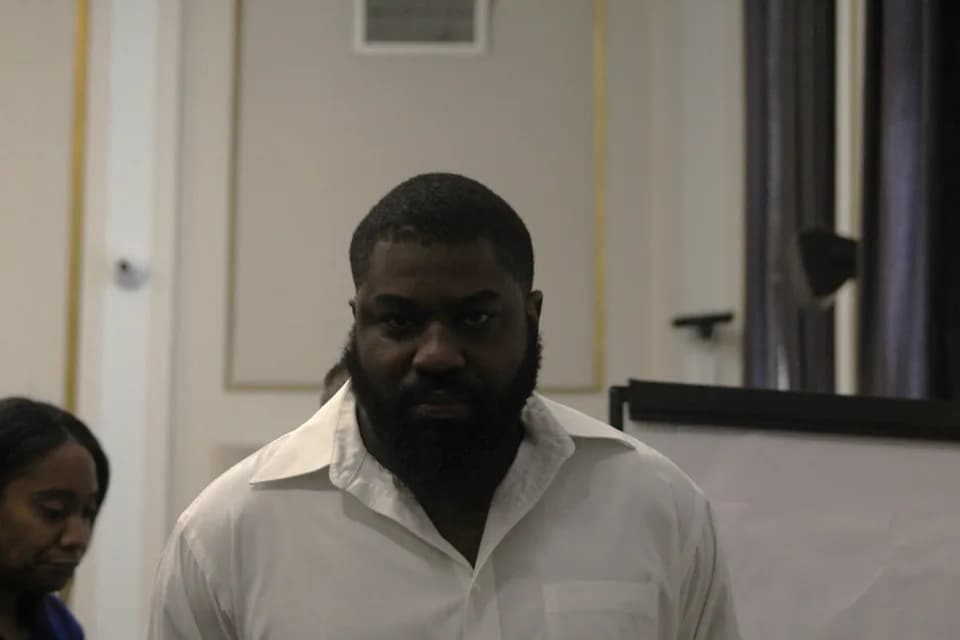
Separately, Colt's father, Colin Gray, was convicted on murder and manslaughter charges for purchasing the rifle as a Christmas gift and leaving it unsecured at home despite warnings about Colt's dangerousness; he is scheduled for sentencing later this week.
Motive, Online Fixation and Mental Health Testimony
Evidence presented at the hearing showed Gray sought notoriety and idolized previous mass shooters. Messages and journal entries read in court included statements such as "(I) wanna make history to put it short. I want people to remember the pain I caused and research me for hours," and writings expressing admiration for Nikolas Cruz.
Investigators admitted jail phone calls in which Gray asked his mother to search his name online and to bring him "fan art." Prosecutors say these materials support a motive of seeking fame or notoriety.
Forensic psychologist Kevin Richards testified that Gray exhibited paranoia, depression and anxiety that were amplified by neglect and an online subculture obsessed with mass shootings. Richards said Gray could improve with treatment and medication but on cross-examination also said Gray had exaggerated some symptoms to seek a more serious diagnosis. Richards found no evidence of psychosis, bipolar disorder or hallucinations.
Courtroom recordings of an interview with investigators less than an hour after the shooting captured Gray sobbing, apologizing and offering paranoid explanations, saying he believed teachers were plotting against him and that he belonged in a mental health facility. Investigators later concluded several statements were false, including claims about where he obtained the firearm and whether he called a suicide hotline beforehand; a sheriff's investigator called parts of Gray's account "performative."
Victim Impact
Victim impact statements described profound and lasting trauma. Nautica Walton, shot in the leg, told Gray: "I started to hate myself because I couldn't truly live anymore ... I hate everything about you. I hate the scars you left on my body. I hate that you took innocent lives in front of innocent people. Most of all, I hate that I let you live in my mind."
Families acknowledged Gray's troubled upbringing but made clear this did not justify the attack. Ismael Angulo Jr., the older brother of slain student Christian Angulo, told the court: "The defendant's family will still get to see their son, talk to him and know he is breathing. My mother and my father don't get that privilege. The only way to visit Christian now is by standing over his grave."
What Happens Next
Judge Nicholas Primm will determine whether Gray's life sentence will include the possibility of parole. The case has renewed scrutiny on how schools and authorities respond to warning signs, the role of family responsibilities in gun access, and how courts weigh culpability, mental health and rehabilitation in juvenile-perpetrated mass shootings.
Reporting note: This article summarizes testimony and evidence presented at a sentencing hearing and related trial proceedings. Names and details are drawn from court records and statements given in open court.
Help us improve.