A surge of wildfires across North America and Europe, driven by climate change, is producing smoke and destruction whose impacts can last for years. Studies show wildfire smoke increases hospitalization risk for older adults and can cause lasting respiratory, cardiovascular and mental-health problems. A University of Hawaii study of Maui found persistent effects three years after the fires. Experts urge long-term monitoring, sustained support for affected communities and establishment of clean air centres.
Wildfire Smoke May Haunt Communities for Years — Studies and Maui Report Show Long-Term Health Toll
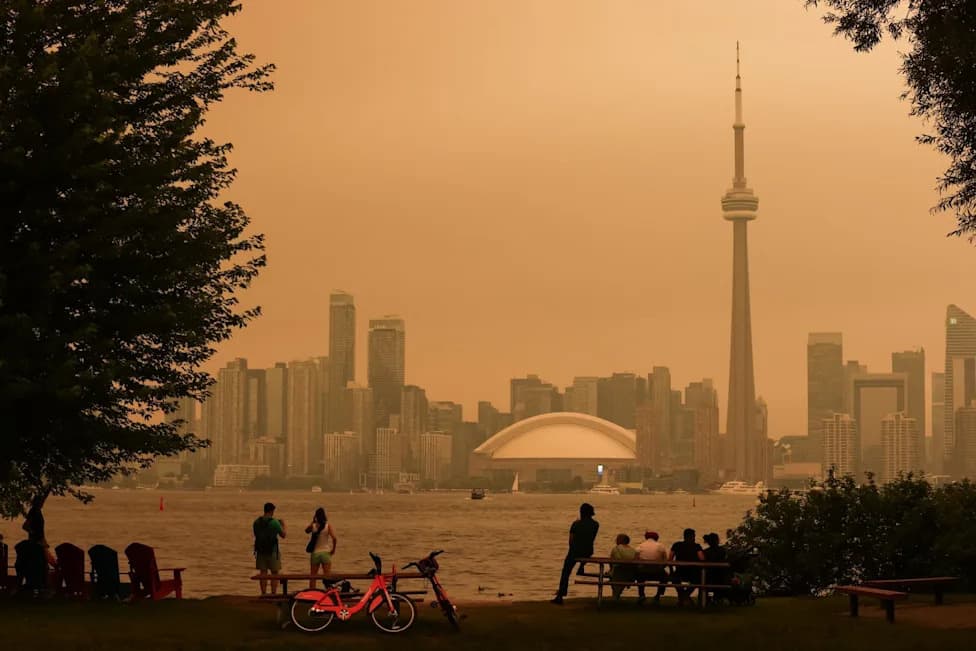
Hazy Toronto skyline caused by forest fires in northern Ontario, Canada, on 15 July 2026.Photograph: Cole Burston/AFP/Getty Images
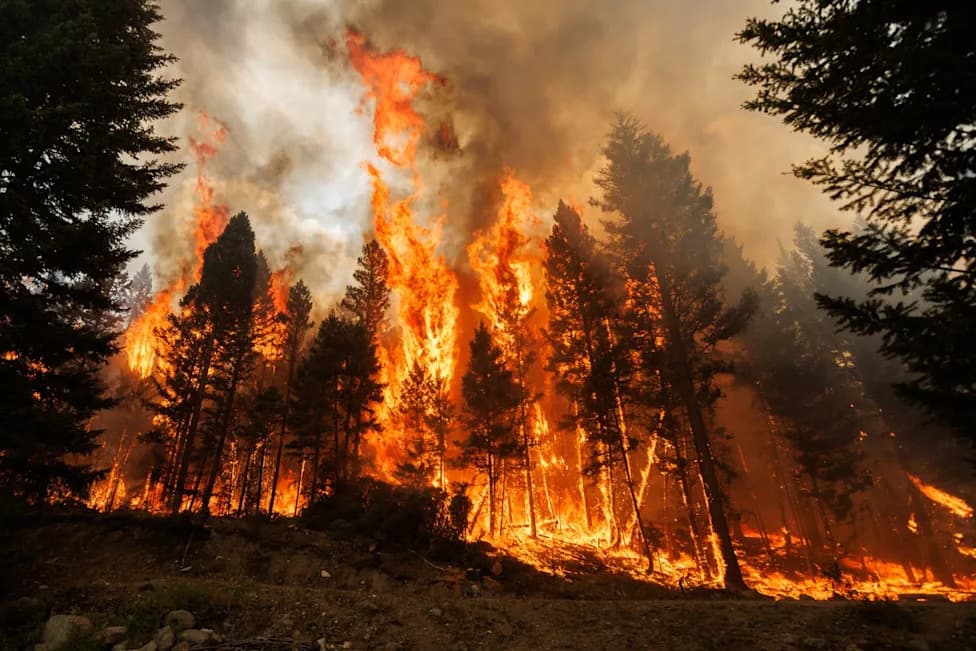
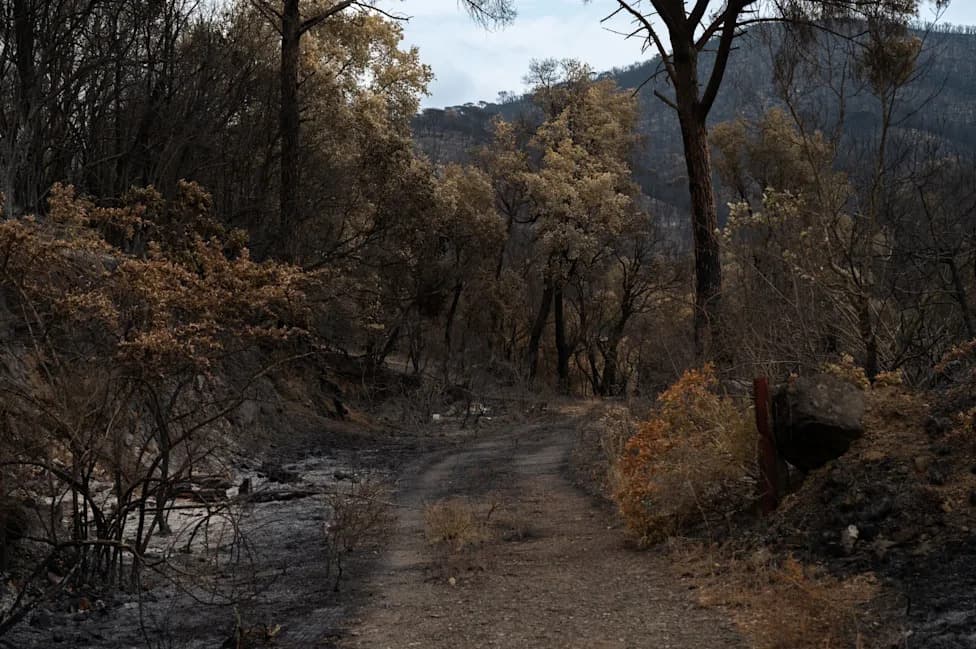
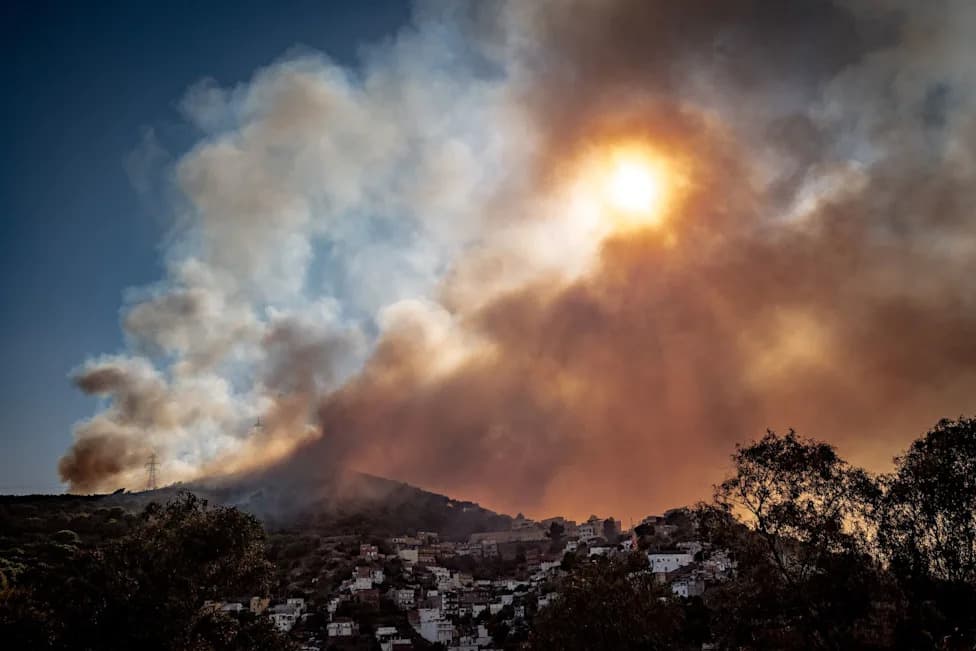
A wave of intense wildfires across North America and Europe — amplified by the climate crisis — has destroyed homes, forced mass evacuations and sent plumes of smoke into major population centers. While fires are an immediate emergency, research and recent reports show their health, social and economic effects can persist for years after the flames are extinguished.
Nearly 1,000 fires have ignited in Canada’s boreal forests this season, prompting town evacuations and sending toxic smoke into Canadian and U.S. cities. The smoke even drew an unusual public reaction from former U.S. president Donald Trump, who accused Canada of "poisoning" American air.
In the United States, a third major heatwave in a month has further dried vegetation and helped ignite lightning-sparked blazes across Washington, eastern Oregon and Idaho. Officials warned the resulting smoke plume could travel as far as Florida. Across Europe, large wildfires in the UK, France and Spain have forced more than 250,000 people to evacuate.
Climate Context
Scientists say the climate crisis — driven by burning fossil fuels — is creating conditions that favor more frequent and more severe fires by drying soils and vegetation. "The entire Iberian peninsula is suffering the effects of the climate emergency in a very specific way," Spain’s prime minister Pedro Sánchez said, underscoring the regional scale of the threat.
Health Risks From Smoke
Research has long linked wildfire smoke to increased respiratory and cardiovascular problems. A recent epidemiological study found that exposure to tiny particles in wildfire smoke raises the risk of hospitalization for older adults, even hundreds of miles from the fires.
"The cardiovascular toll of wildfire smoke reaches well beyond the fire lines and well beyond the day the sky turns orange," said Kai Chen, associate professor of epidemiology at the Yale School of Public Health and a co-author of the study.
Lingering Impacts: The Maui Example
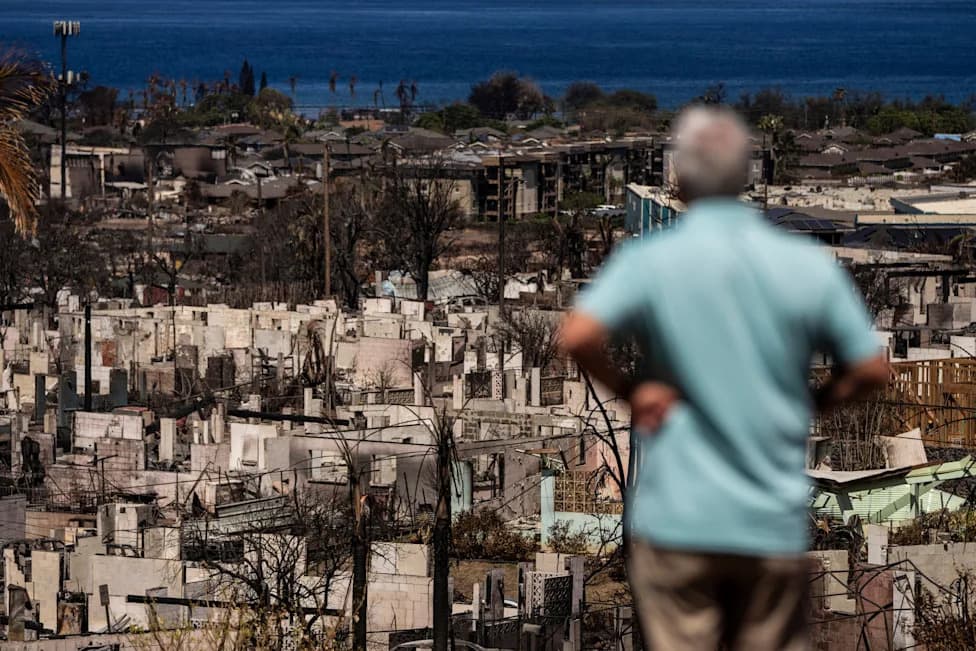
Understanding the persistent effects of wildfires long after the flames are extinguished is an evolving area of research. A new report — the Maui Wildfire Exposure Study, led by researchers at the University of Hawaii — highlights ongoing challenges three years after the devastating Maui fires that killed more than 100 people and destroyed thousands of buildings.
Although living conditions and local economic activity have generally improved, many Maui residents still report lasting health problems: reduced lung function, elevated blood pressure, increased obesity rates and ongoing mental-health challenges. The study screened more than 2,500 participants and found that nearly half of adults still reported depressive symptoms, while nearly one in five met criteria for post-traumatic stress. Children and adolescents showed increases in severe depressive symptoms, post-traumatic stress, blood pressure readings and obesity.
"The progress is real, and it should be recognized," said Alika Maunakea, co-director of the study and a professor at the University of Hawaii School of Medicine. "But the biological, emotional and social consequences of a disaster do not disappear on the same timeline as debris removal or reconstruction."
Local mental health professionals emphasize that supporting children requires stabilizing the entire family environment — housing, food security, daily routines and access to trusted care — because hidden emotional and physical effects can persist even when children appear outwardly resilient.
Public Health Responses and Recommendations
Researchers and public health experts call for long-term monitoring and targeted interventions after major wildfires. Practical measures include creating "clean air centers" — public spaces with filtered air where people can shelter during smoke episodes — and activating public-health measures even when visible smoke appears light, because long-term harm can occur at low exposure levels.
A separate study of older adults in southern California linked wildfire smoke exposure to a 7% increase in mortality over a three-year period, reinforcing the need for proactive public-health responses. "As wildfires become more frequent and severe in the context of climate change, understanding how these harmful wildfires will affect us in the long term is critical to informing better public health action and response," said Lara Schwarz, an environmental health scientist at UC Berkeley who led the research.
While skies will eventually clear, experts warn that climate-driven wildfires are likely to impose a prolonged toll on physical health, mental wellbeing and community resilience — underscoring the need for policy changes, sustained support for affected communities and stronger efforts to limit greenhouse-gas emissions that intensify fire risk.
Help us improve.