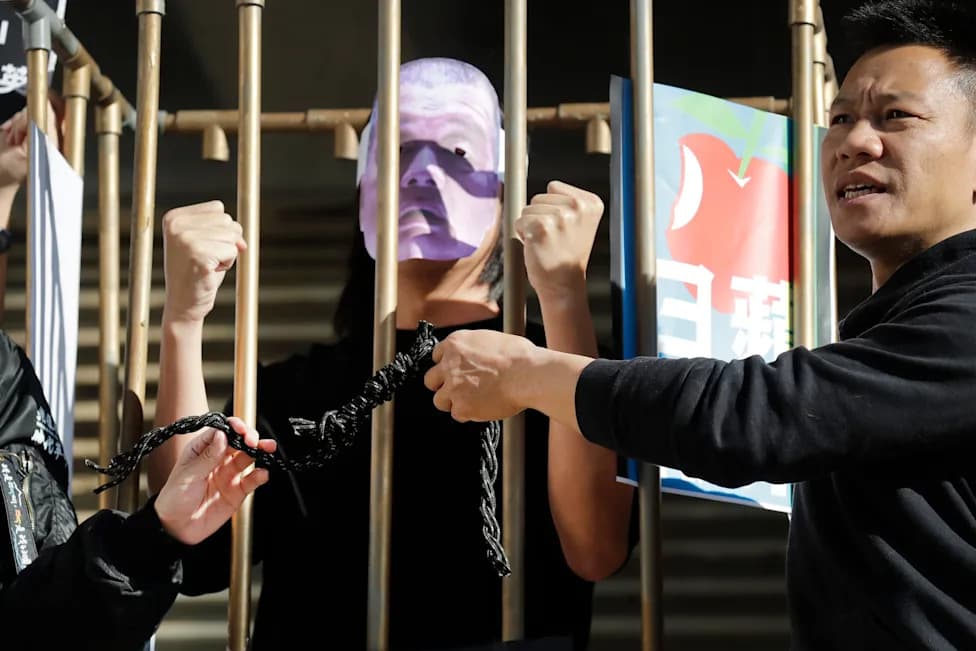
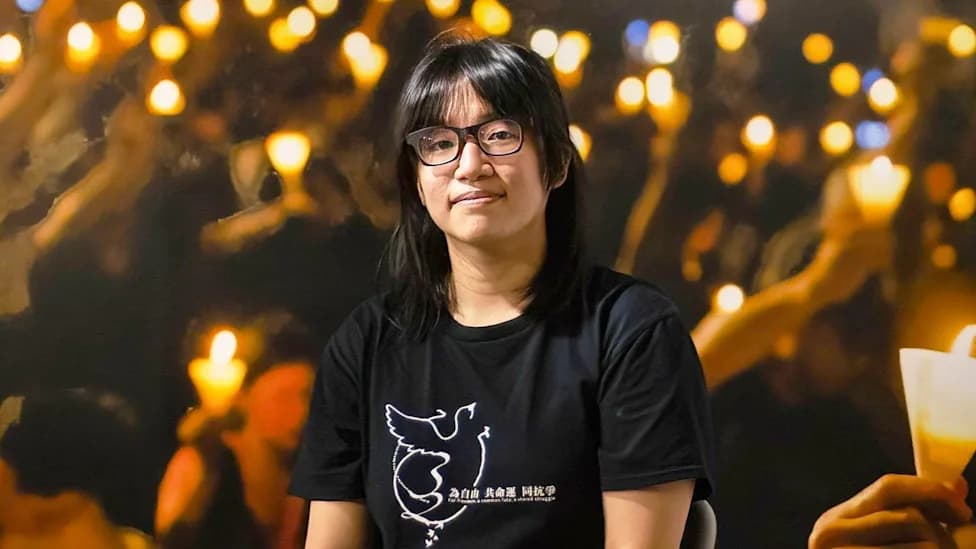
Former Hong Kong opposition leader Wu Chi-wai was detained for nearly 10 hours on arrival at London’s Heathrow and initially refused entry before being told he could stay only a week pending possible deportation. The UK Border Force subsequently granted him a standard six-month stay. Wu, one of the "Hong Kong 47," was released in June after serving more than five years in prison. Rights group Hong Kong Watch welcomed the decision and said he should not have faced removal to Hong Kong.
Former Hong Kong Opposition Leader Wu Chi-wai Granted Six-Month Stay in UK After Border Detention
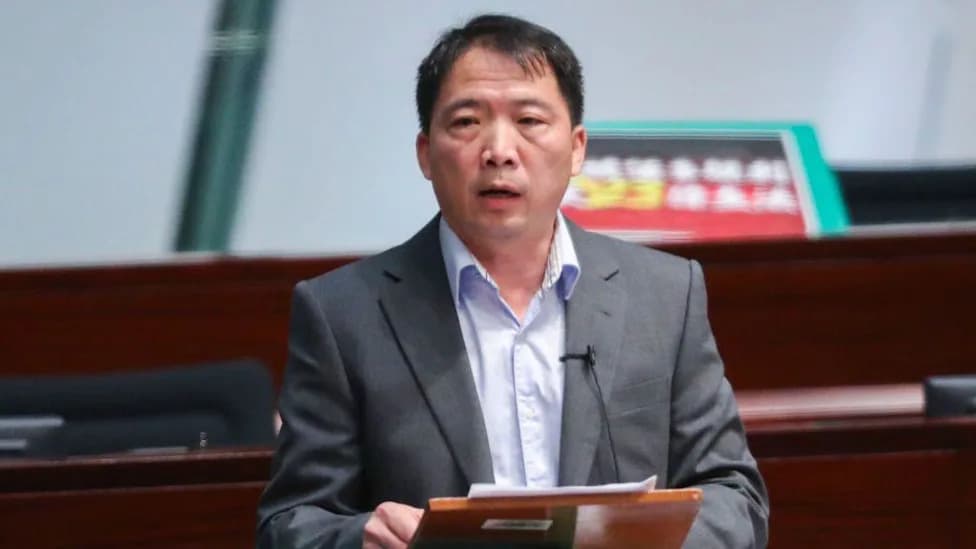
Wu Chi-wai, the leader of the now-defunct Democratic Party, was a key pro-democracy figure in Hong Kong [South China Morning Post via Getty Images]
Former Hong Kong Democratic Party leader Wu Chi-wai has been allowed to remain in the United Kingdom for six months after an initial detention and uncertainty over his entry at London’s Heathrow Airport.
Wu, 63, said he arrived at Heathrow last Wednesday and was held for nearly 10 hours. He was initially refused entry and told he would only be permitted to stay for one week before being required to report to the airport for deportation. On Monday, however, the UK Border Force approved his entry and granted the standard six-month stay for visitors.
Background and Family Reunification
Wu is a former leader of the now-defunct Democratic Party and one of the most recognisable faces of Hong Kong’s pro-democracy movement. He is among the group known as the "Hong Kong 47," high-profile activists who were jailed after a contentious national security trial. Wu was released in June after serving more than five years in prison following convictions that included subversion.
Wu told BBC Chinese that his son and wife moved to the UK in 2022 and 2023 respectively, and that his contact with them since then had been limited to monthly phone calls and letters. He said the purpose of his trip was to reunite with his family.
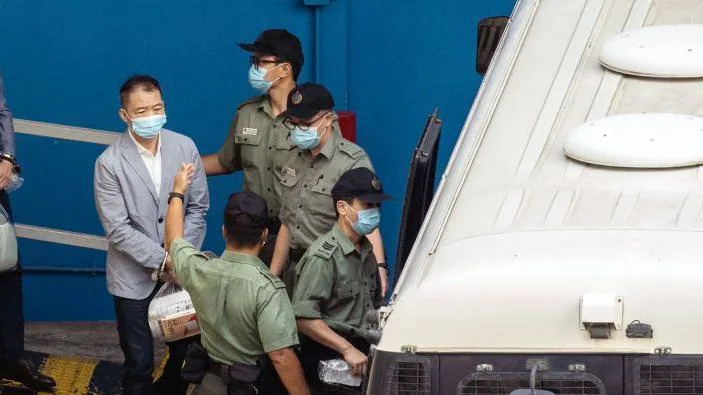
Wu was released in June after spending more than five years in prison [Getty Images]
Consular Advice and Border Decision
Before travelling, Wu said he consulted staff at the British Consulate General in Hong Kong who told him his criminal record should not prevent entry and that consular staff would explain his convictions and itinerary to the UK Border Force. Wu later said the Border Force concluded he was not a "genuine visitor" solely visiting family. He has denied media reports that he intended to apply for political asylum in the UK.
"This is the right outcome, and it should never have taken this long," said Megan Khoo, Policy Director at rights group Hong Kong Watch. "He should never have faced the prospect of removal back to the city that jailed him."
Legal Status And Wider Context
Wu entered the UK using a British National (Overseas) (BNO) passport, a travel document issued to Hong Kong residents before 1 July 1997. BNO passport holders are generally allowed visa-free stays of up to six months. Since 2021, the UK has offered a BNO visa route that permits holders to live, work and study in the UK and, after settlement, access a pathway to citizenship.
The BNO policy was introduced after large pro-democracy protests in Hong Kong and a subsequent crackdown that increased Beijing’s control over the city. According to the UK government, more than 230,000 Hong Kong residents have been granted BNO visas, and nearly 170,000 have relocated to the UK.
Official Responses
The UK Home Office, which oversees the Border Force, told BBC Chinese it does not comment on individual cases but reiterated that "the UK government remains steadfast in its support for the Hong Kong community in the UK." A spokesperson for the Hong Kong Special Administrative Region (HKSAR) Government told BBC Chinese it had received no request for assistance in this matter.
Wu’s case highlights tensions around travel, consular advice and the treatment of former activists from Hong Kong as they seek to reunite with family overseas.
Help us improve.