Federal safety officials warn that toys that look safe can break during normal play and release small pieces that pose choking risks for children under three. About 15 toddlers in the U.S. die from choking each year. The CPSC used its Small Parts Cylinder to evaluate hazards and recalled a range of toys in 2025–2026. Parents should follow age labels, inspect toys regularly, keep older-kids' toys away from infants, avoid balloon fragments, and check SaferProducts.gov or call 1-800-638-2772 for recalls.
Parents Warned: Toddler Toys That Look Safe Can Become Deadly After They Break
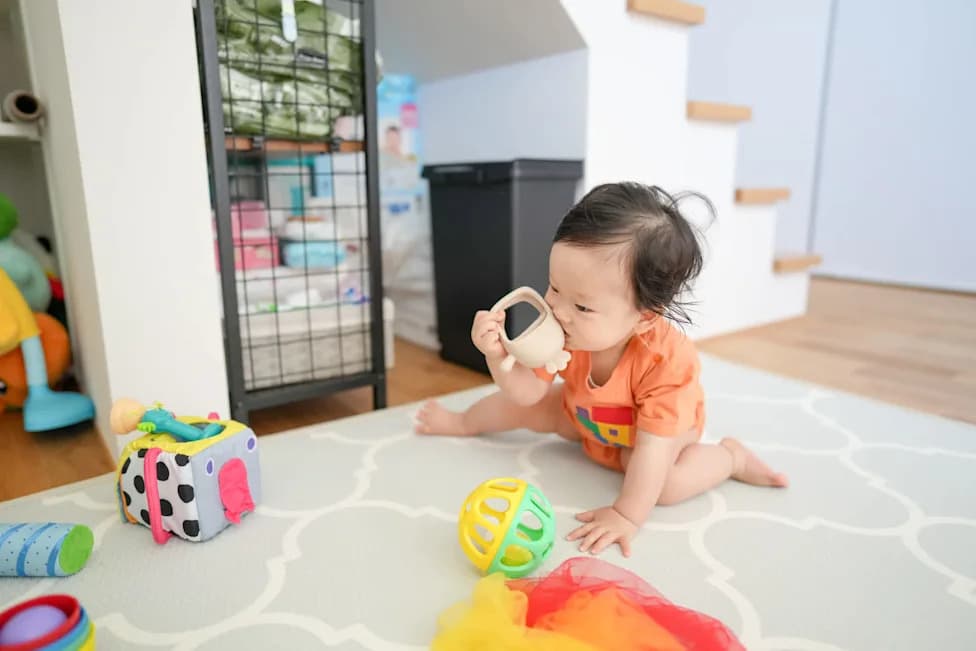
Photo Credit: iStock
Federal safety officials are warning parents that toys which appear harmless on store shelves can break apart during ordinary play and release small pieces that pose choking risks to children under three.
What The CPSC Says
About 15 children in the United States die each year from choking before their third birthday. The U.S. Consumer Product Safety Commission (CPSC) is highlighting how ordinary use, wear and tear, or minor damage can create detachable parts that are large enough to block a young child’s airway.
The agency measures the hazard with the CPSC Small Parts Cylinder, a test device sized to approximate the throat of a child younger than three. Federal law prohibits toys or toy components intended for that age group if they fit entirely inside the cylinder.
Recent Recalls And Common Risks
Recalls issued by the CPSC in 2025 and 2026 covered a range of products — including wooden activity cubes, stroller-and-doll sets, busy boards, ball-pounding toys, magnet rod-and-ball kits and peg dolls. In many cases the choking risk came from very small pieces such as beads, rounded ends, or detachable balls that can come loose during normal play.
Large or seemingly benign toys can become dangerous for babies and toddlers when plastic cracks, seams loosen, glue weakens, fabric pulls free, or accessories break away. Packaging and product photos show how a toy looks when new, not how it may degrade with use.
Practical Safety Steps For Caregivers
- Follow age labels on packaging and keep toys marked "3+" out of reach of younger siblings.
- Inspect toys regularly for cracks, loose seams, worn joints, weakened glue, or small parts that could detach.
- Remove damaged toys immediately and repair or discard items that show wear that could produce small pieces.
- Avoid uninflated balloons and balloon fragments, especially latex balloons, which remain a major cause of toy-related choking deaths among young children.
- Store older children's toys separately and supervise multi-age play to reduce the risk that toddlers will handle inappropriate items.
Even a toy marketed as suitable for toddlers can become a "fatal choking hazard" if it breaks and produces pieces that can completely block a young child’s airway.
Where To Check For Recalls
Families can search for recalled products at SaferProducts.gov and report unsafe child products, defects, or injuries there. You can also contact the CPSC Hotline at 1-800-638-2772 to report a problem or get information about recalls.
Stay proactive: Regular inspections, careful storage, and following age recommendations are simple steps that can reduce the risk of a preventable tragedy.
Help us improve.