Satluj, a film about alleged abuses during Punjab's 1980s–90s insurgency and the work of activist Jaswant Singh Khalra, has been pulled from some online platforms and criticised by officials yet is drawing large community screenings across Punjab. Organisers report packed temple and village showings, while critics call some claims disputed. Director Honey Trehan defends the film as truthful; supporters say rumours of a ban have only increased demand.
Defiant Screenings: 'Satluj' — Film on Punjab Crackdown Draws Mass Viewings Amid Official Scrutiny
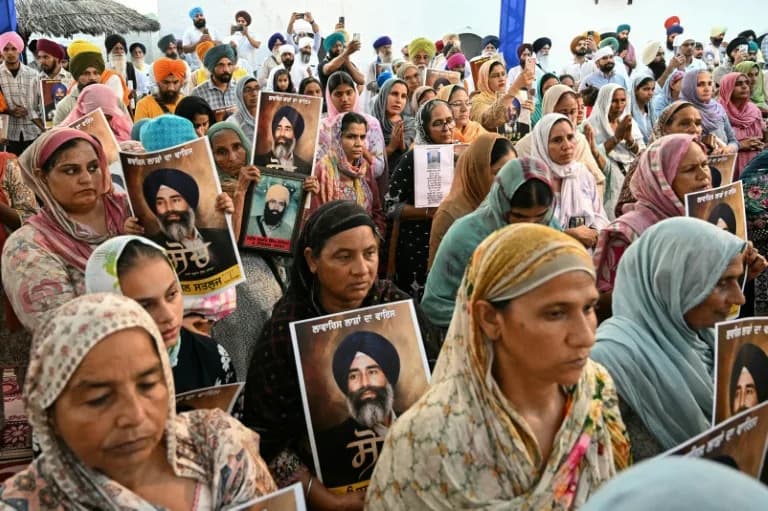
Activist Jaswant Singh Khalrawas allegedly tortured and killed in 1995 after having investigated thousands of cases of disappearances in India's Punjab (Narinder NANU)
Satluj, a new film about alleged abuses during Punjab's violent insurgency of the 1980s–90s, has prompted dozens of grassroots screenings across the state and drawn sharp criticism from some officials. The film chronicles the work of human-rights investigator Jaswant Singh Khalra, who documented thousands of disappearances before he himself was abducted and is widely believed to have been killed in 1995.
Film and Community Screenings
Despite the movie being removed from several online platforms within 48 hours of its release and accusations from officials that the director distorted historical facts, crowds have been packing open-air showings in temple courtyards, community halls and village squares across Punjab. Organisers in Gurdaspur district said they were running multiple screenings each evening and maintaining long waitlists, with many villages requesting viewings.
Voices From the Screenings
"It has shown us all that we didn't know, and which our government wants to keep hidden," said Shamsher Singh after watching the film a second time.
Inderpal Singh Bains, a farmer leader who helped organise the Gurdaspur event, said community demand has surged amid rumours of a ban. While state authorities have not formally announced legal action or an official ban, the reports of restrictions have nevertheless fuelled interest in in-person showings.
Historical Context
Punjab in the 1980s and early 1990s saw prolonged clashes between Indian security forces and armed supporters of a separatist movement known as "Khalistan," which sought an independent Sikh homeland. Rights groups say thousands of civilians, police and militants died during the fighting. The period was punctuated by the 1984 army operation at the Golden Temple in Amritsar, the subsequent assassination of Prime Minister Indira Gandhi by her Sikh bodyguards, and large anti-Sikh riots later that year in which around 3,000 people were killed.
Controversy and Reactions
"Satluj" presents figures suggesting some 25,000 people were abducted and killed during the unrest, and follows Khalra's investigations prior to his own disappearance. Critics, including BJP MP Ravneet Singh Bittu, say the film offers a selective or disputed version of events. "Satluj cannot hide behind the excuse of 'creative freedom' while presenting disputed claims as established history," Bittu said, arguing that painful episodes should not be edited to suit a narrative.
Director Honey Trehan has defended the film, saying it "depicted the truth" and has received widespread appreciation. He cites Khalra's own speeches and research as the basis for the figures shown. Rajiv Singh Randhawa, a key witness in Khalra's abduction case, called criticism of the film overblown and suggested that attempts to suppress it had only amplified Khalra's story.
Personal Stories
For many viewers the film reopened personal wounds. Harjinder Kaur, whose father fought with separatist groups and was killed in 1991, said two years later her mother and two uncles were arrested and never seen again. She told attendees that, while her father's choices had consequences, other family members "had no fault" and their fates remain unknown.
Distribution And Impact: Whether through online removal or heightened scrutiny, the controversy surrounding "Satluj" has intensified public interest and driven communal screenings. Organisers and supporters describe those showings as acts of remembrance and a way to keep contested history in public view.
Help us improve.