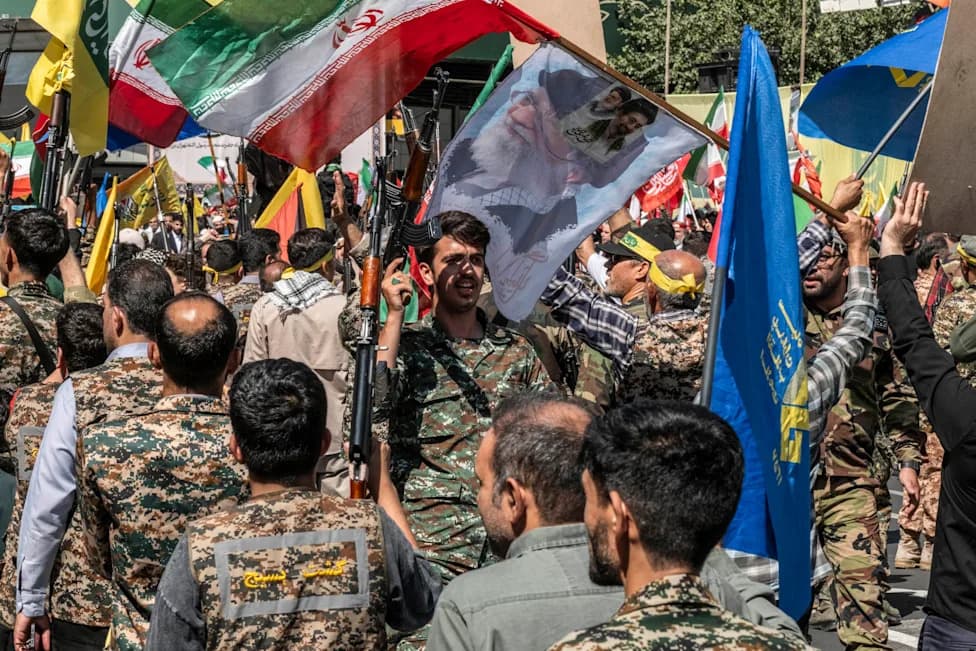
President Trump ordered a second consecutive pause in strikes on Iran to allow diplomacy more room, the US ambassador to the UN said. The pause follows nearly two weeks of daily US airstrikes that unraveled a June ceasefire after a 13 July tanker attack in the Strait of Hormuz. Iran and Oman held technical talks on the strait amid continuing exchanges of strikes that have killed hundreds regionwide, and oil briefly topped $100 a barrel as energy markets reacted. The pause does not rule out further escalation: US officials say all options remain on the table.
Trump Pauses Strikes on Iran to Give Diplomacy a Window, US UN Ambassador Says
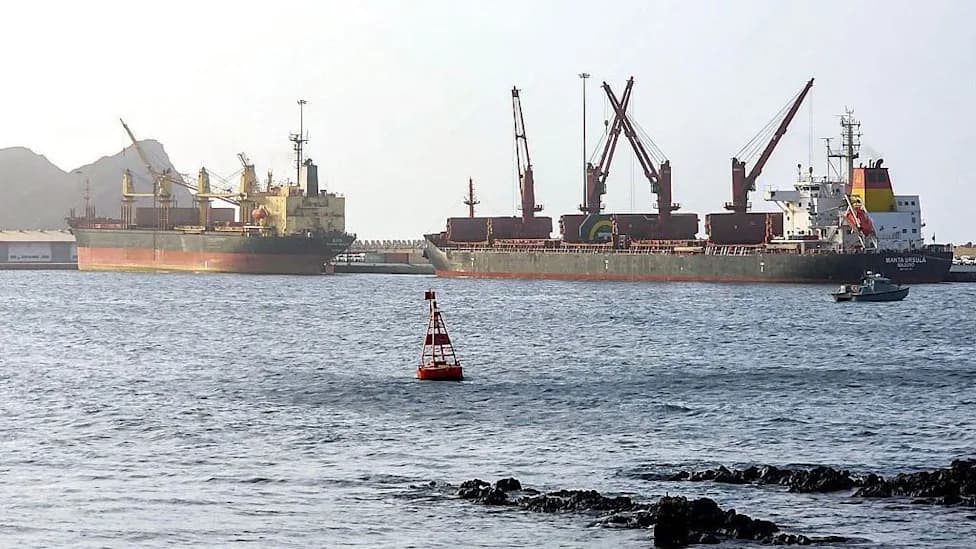
An oil tanker moored off the coast of Muscat, Oman near the Strait of Hormuz [AFP via Getty Images]
President Donald Trump ordered a temporary pause in US strikes on Iran for a second consecutive night to give diplomatic efforts more room to work, the US ambassador to the United Nations said.
Pause Intended To Allow Talks
Speaking to Fox News, Ambassador Mike Waltz said the president was "giving talks some space, he's giving it a little bit of room." Asked on NBC whether the pause meant a decision against escalation, Waltz replied: "I wouldn't go that far at all. The president is keeping all options on the table."
Conflicting Accounts And Resource Questions
Waltz dismissed a New York Times report suggesting administration officials warned that expanding hostilities could dangerously drain a diminished stockpile of air-defence munitions. "The US military... has everything that it needs to conduct this campaign as effectively as it needs to be," he said.
Regional Talks Over The Strait Of Hormuz
Iran and Oman held several rounds of technical talks in Tehran to discuss management of the Strait of Hormuz, Iranian foreign ministry spokesman Esmail Baghaei said. Disputes over control of the strait reignited tensions earlier this month and remain a central obstacle to a lasting end to the fighting.
Sequence Of Events
The temporary pause follows nearly two weeks of daily US airstrikes and tit‑for‑tat attacks that have effectively unravelled a June ceasefire. In June, Iran and the United States signed a memorandum of understanding to halt military operations in the strait, reopen it to commercial traffic and pursue a broader agreement to end the war within 60 days.
After Iranian forces attacked tankers in the Strait of Hormuz on 13 July, the US resumed airstrikes on Iran and reinstated a naval blockade of Iranian ports. Iran then launched strikes on US military facilities and bases across the Middle East; reports say those attacks killed four American soldiers. US strikes have in turn killed dozens, according to Iran's health ministry.
Wider Impact
The renewed fighting has pushed oil prices up — briefly topping $100 a barrel — amid fears about global energy supplies. In the United Kingdom, newly appointed Defence Secretary Wes Streeting said he will meet his US counterpart in the coming week to discuss security in the Strait of Hormuz, calling securing free commercial shipping there an area of close alignment.
Human Cost And Public Opinion
Official tallies indicate thousands of people have been killed across the Middle East since hostilities involving the US, Israel and Iran escalated in February, with the majority of reported fatalities in Iran and Lebanon. A recent CBS/YouGov poll suggests the conflict is unpopular in the United States: 57% of Americans say they are frustrated by the fighting while only 19% feel optimistic.
What’s Next
President Trump is due to meet Israeli Prime Minister Benjamin Netanyahu at the White House. Iran‑backed Houthi forces have also claimed a missile attack on Saudi Arabia amid ongoing exchanges of strikes in the Gulf, raising fears of broader escalation.
Note: This article consolidates statements from US and Iranian officials and media reports; some casualty figures and claims are drawn from Iranian sources and reporting.
Help us improve.