Sen. John Kennedy publicly rejected a Trump administration pact to streamline a civilian nuclear program for Saudi Arabia, saying the timing is wrong while the U.S. seeks to curb Iran's nuclear ambitions. He warned the deal could be perceived as paving the way to a weapon and criticized conditioning it on Saudi‑Israeli normalization. Kennedy's break highlights widening GOP divisions over foreign policy amid a costly, ongoing conflict with Iran.
GOP Rift: Sen. John Kennedy Breaks With Trump Over Saudi Nuclear Deal
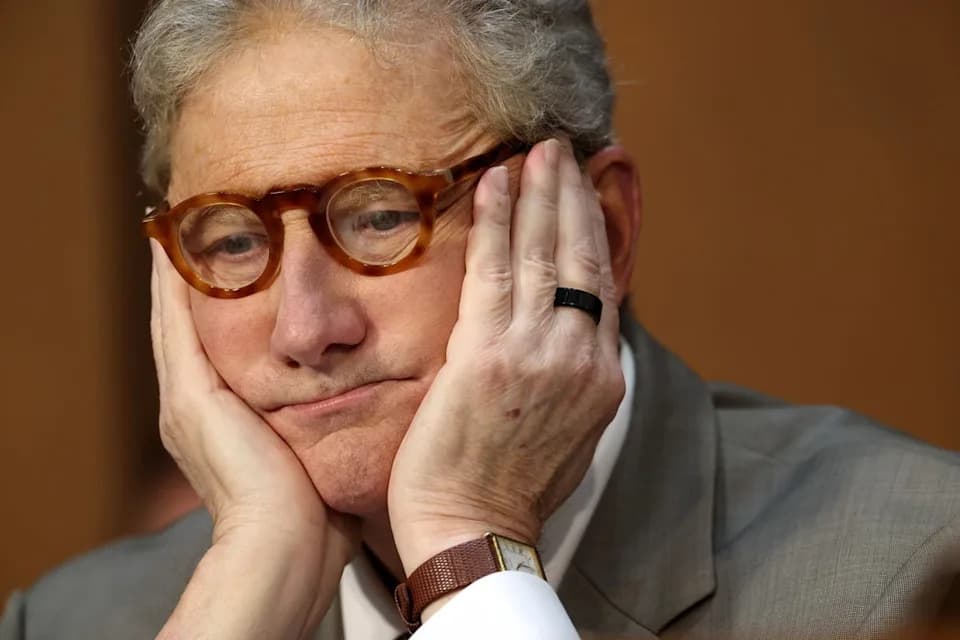
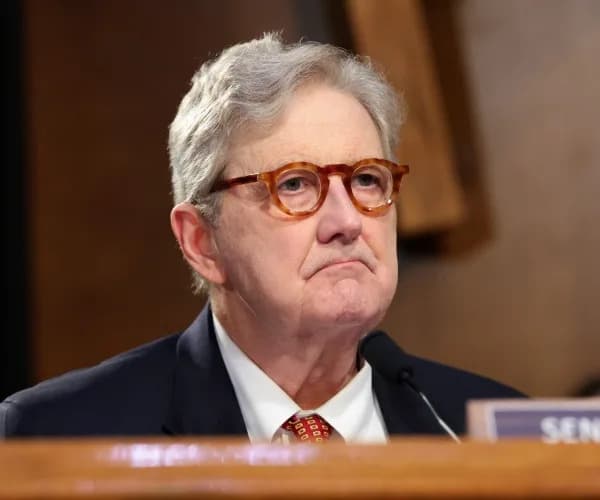
Sen. John Kennedy criticized Trump's plans to begin a Saudi civilian nuclear program (Getty)
A prominent Republican senator has publicly split with former President Donald Trump over a controversial nuclear agreement with Saudi Arabia, underscoring growing fractures within the GOP over the administration's Middle East strategy.
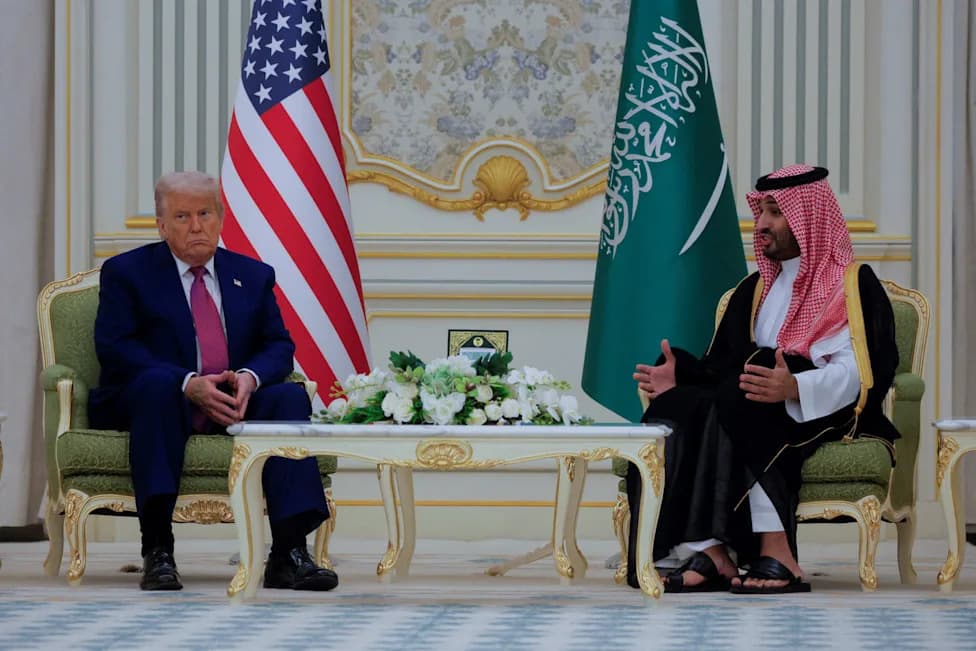
The agreement, signed by Energy Secretary Chris Wright, is intended to fast-track development of a civilian nuclear program in Saudi Arabia — a U.S. regional partner that does not possess nuclear weapons. Hours after the signing, Trump said the pact would be conditioned on Saudi normalization of ties with Israel.
Kennedy Voices Unease
Sen. John Kennedy told CBS's Face the Nation that he was uncomfortable providing nuclear technology to another Gulf state while the United States is working to prevent Iran from acquiring nuclear weapons. Asked if he was comfortable with the deal as presented, Kennedy replied bluntly:
"Nope."
Kennedy argued the timing was poor. "Maybe some day, but not right now," he said, adding that although the arrangement may be commercial in nature, it could be perceived as something that might one day enable a weapon. He warned the world was on a "hair-trigger," and that perceived inconsistencies in U.S. policy could spur regional proliferation — a trend he called dangerous and mistaken.
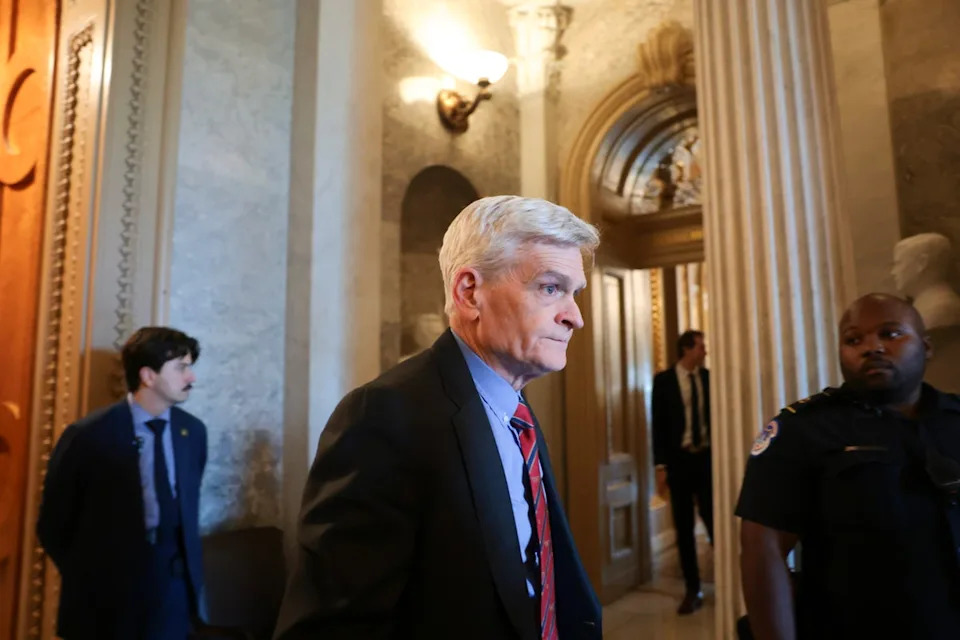
Bill Cassidy, another Republican senator, angrily confronted Trump over Iran in June (Getty)
Regional And Political Implications
Kennedy also criticized Trump's precondition tying the agreement to Saudi‑Israeli normalization, saying that demand would push Gulf partners too far. Riyadh has repeatedly said it will only normalize ties if a free and sovereign Palestinian state is established — a condition Israel opposes.
The senator's opposition could complicate the pact's prospects if it were ever sent to the Senate, though administration officials currently appear unlikely to formally submit the measure — in part for the reasons Kennedy cited. The split is one of several recent indicators that Trump's hold on Republican lawmakers is fraying.
The wider context is a protracted conflict with Iran that has stretched into months, seen a ceasefire collapse and contributed to instability in the Strait of Hormuz. The administration continues to say removing or securing Iran's remaining nuclear materials is a priority, but concrete steps remain unclear and talks have stalled.
Political Fallout
As Trump and his allies head toward midterm elections, Republicans face a complicated political landscape: the party is on the ballot without the president at the top, contending with voter concerns about the Iran war and rising fuel prices. Public clashes between Trump and GOP senators — including a recent confrontation with Sen. Bill Cassidy — have deepened tensions inside the caucus.
Trump maintains that the political costs of an aggressive stance toward Iran are justified if they prevent Tehran from obtaining nuclear weapons in the future. For now, Kennedy's public break signals that traditional conservatives may increasingly push back on the administration's foreign policy choices.
Help us improve.