The state commission probing Israel's submarine and naval-vessel affair will hold 18 closed hearing days from November 1 to December 31 to examine whether Prime Minister Benjamin Netanyahu and four former senior officials bear personal responsibility. The hearings follow warning notices issued in June 2024 and a 60-day extension to submit witness lists. Separate from the criminal Case 3000, the commission's January report found systemic failures in defence procurement and governance. The November sessions will determine whether any of the five should be held personally accountable.
State Commission Schedules 18 Closed Hearings in November–December to Probe Netanyahu and Four Former Officials
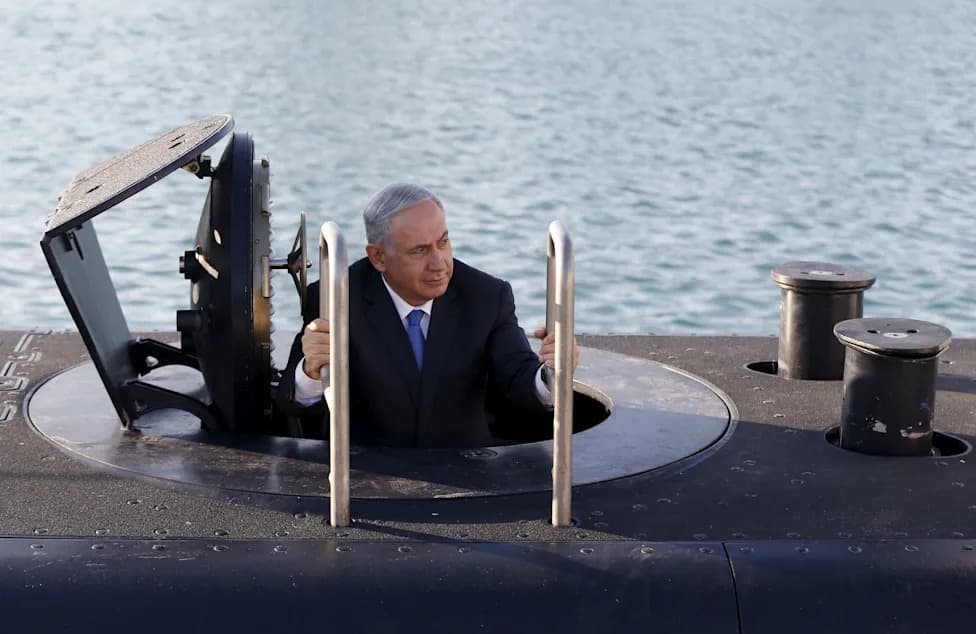
Prime Minister Benjamin Netanyahu climbs out of the
The state commission investigating Israel's submarine and naval vessel affair has scheduled 18 closed hearing days between November 1 and December 31 to examine whether Prime Minister Benjamin Netanyahu and four former senior officials bear personal responsibility for procurement and decision-making failures.
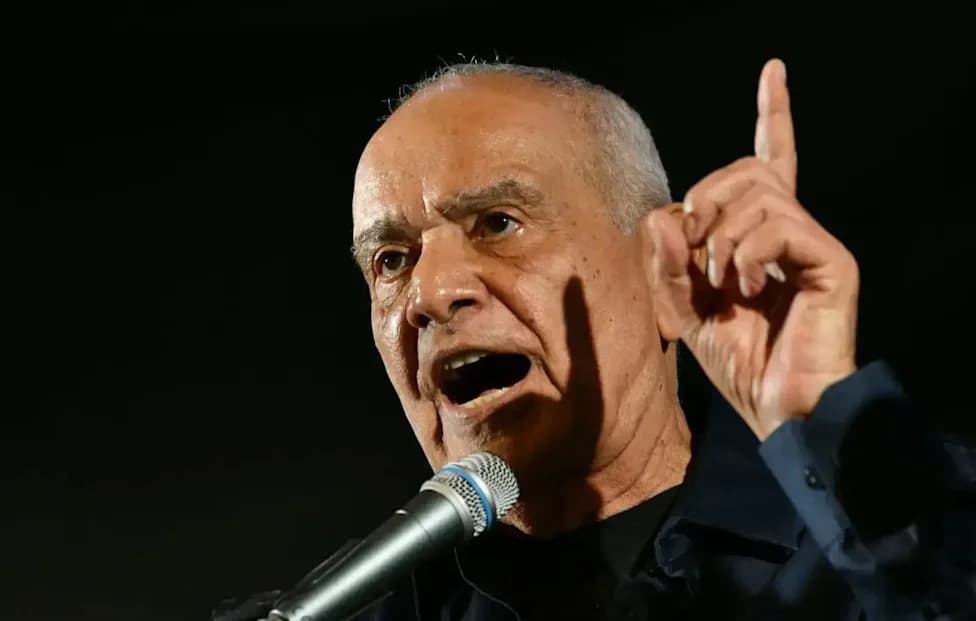
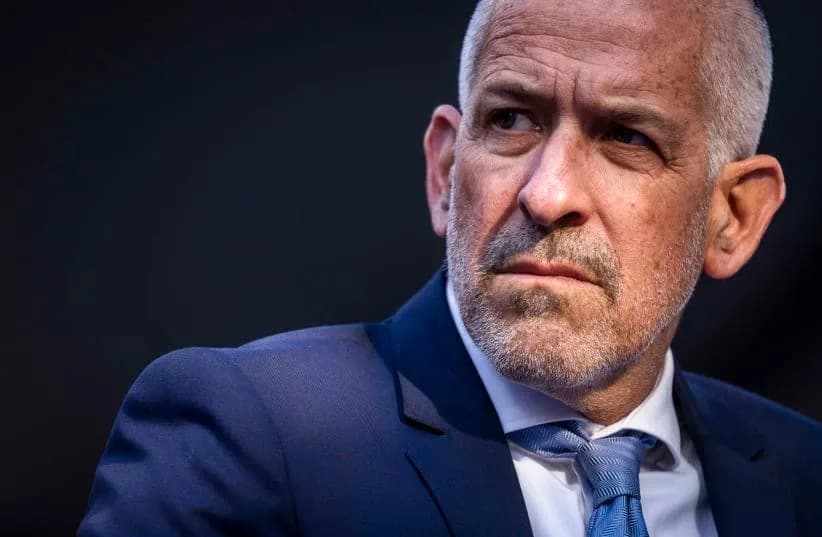
Chaired by retired Supreme Court president Asher Grunis, the commission will move into the personal-responsibility phase of its long-running inquiry with the November–December sessions. The five officials who received warning notices in June 2024 and will face the hearings are Prime Minister Benjamin Netanyahu; former defence minister Moshe "Bogie" Ya'alon; former National Security Council (NSC) chief Yossi Cohen; former navy commander Vice Admiral Ram Rothberg; and former NSC official Avner Simchoni.
Hearing Process and Deadlines
The warning notices give those named the right to challenge evidence, question witnesses and present arguments against any finding of personal responsibility before the commission completes its work. The panel announced on Thursday that it had also granted a 60-day extension—until September 15—for the five officials to submit the names of witnesses they wish to question and the topics to be covered.
While requests for additional time ranged from two to four months, the commission granted a uniform two-month extension and explicitly rejected the explanation offered by Netanyahu's legal team. His lawyers said they had difficulty maintaining contact with the prime minister because he was undergoing cross-examination in an unrelated criminal trial; the panel said that argument was not persuasive. The commission noted that, unlike the other four officials, Netanyahu was not listed as a prosecution witness in Case 3000 and therefore his team could have begun reviewing commission materials much earlier.
The commission also recorded that each official was permitted two attorneys but that Netanyahu's legal team completed security-clearance formalities for only one lawyer about 10 months later than the other teams. That delay followed a High Court petition in which Netanyahu's lawyers challenged the two-attorney limit. The panel said practical difficulties were raised only shortly before the witness-list deadline and that some claims conflicted with arguments previously made to the commission.
Why the Delay Matters
The personal-responsibility phase has been delayed for more than two years by legal challenges. The commission issued warning notices in June 2024 and had planned to provide access to classified evidence by April 2025. However, Ya'alon, Cohen, Rothberg and Simchoni were named as prosecution witnesses in the parallel criminal proceedings known as Case 3000, and High Court proceedings over whether commission access to classified materials could affect that trial prevented their legal teams from reviewing the evidence until February 1. A separate petition over security arrangements and the two-lawyer limit briefly froze proceedings in April 2025; the High Court rejected that petition in September.
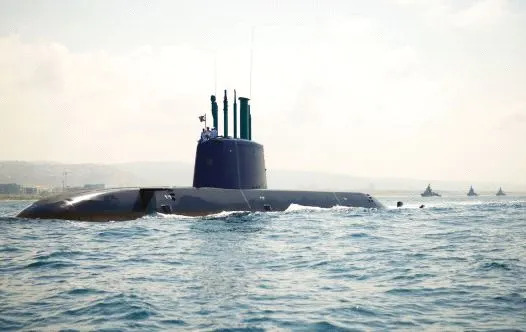
The Dolphin-class submarine first entered service in 2000 (credit: IDF SPOKESMAN'S UNIT)
Scope of the Inquiry and January Findings
The state commission's inquiry is distinct from the Case 3000 criminal proceedings, which allege corruption tied to Israel's purchases of submarines and naval vessels from German shipbuilder Thyssenkrupp. Several people close to Netanyahu were implicated in the criminal case, though the prime minister himself was not charged.
The commission's mandate has been to examine how political and professional officials reached decisions on submarine and warship purchases between 2009 and 2016 and to review Israel's handling of Germany's sale of submarines to Egypt. Because the personal-responsibility proceedings were stalled, the commission published a separate report in January outlining systemic failures it had already identified.
That January report concluded the problems went far beyond any single procurement. Successive governments failed to set clear national-security priorities, leaving the defence establishment to shape long-term military plans with insufficient political guidance. Ministers told the commission they often acted as a "rubber stamp" for proposals developed elsewhere. The NSC was criticized for overstepping advisory duties and at times becoming directly involved in procurement and engagement with commercial parties. The report also highlighted a problematic procurement culture in the navy, including coordination with commercial entities, presentation of misleading information to decision-makers and promotion of partly funded projects that later increased budgetary pressure.
Recommendations and What’s Next
The commission recommended measures such as requiring government approval of the IDF's multiyear force-building plan, creating a permanent professional body to review major military purchases, and restricting the NSC from directly executing procurement decisions. The November hearings will address the question the January report left open: whether any of the five officials should be held personally accountable for the failures identified.
In its preliminary warning to Prime Minister Netanyahu, the commission said it was considering a finding that his conduct had seriously disrupted established decision-making processes and created risks to national security, foreign relations and Israel's economic interests. That warning is not a final conclusion; Netanyahu will be able to challenge it during the closed hearings.
Note: The Dolphin-class submarine first entered service in 2000 (credit: IDF Spokesman's Unit).
Yonah Jeremy Bob contributed to this report.
Help us improve.