Four years after the 2022 election, Israel’s record under Netanyahu is mixed. Inflation has cooled and wages rose modestly, but the country remains one of the world’s most expensive developed economies. Childcare subsidies expanded but universal free early childhood care was not delivered. Housing and infrastructure improved unevenly and lagged population needs. Crime and organized-crime indicators worsened while public trust in police fell, and October 7 reshaped national priorities and security policy.
Four Years On: What Netanyahu’s 2022 Government Actually Delivered
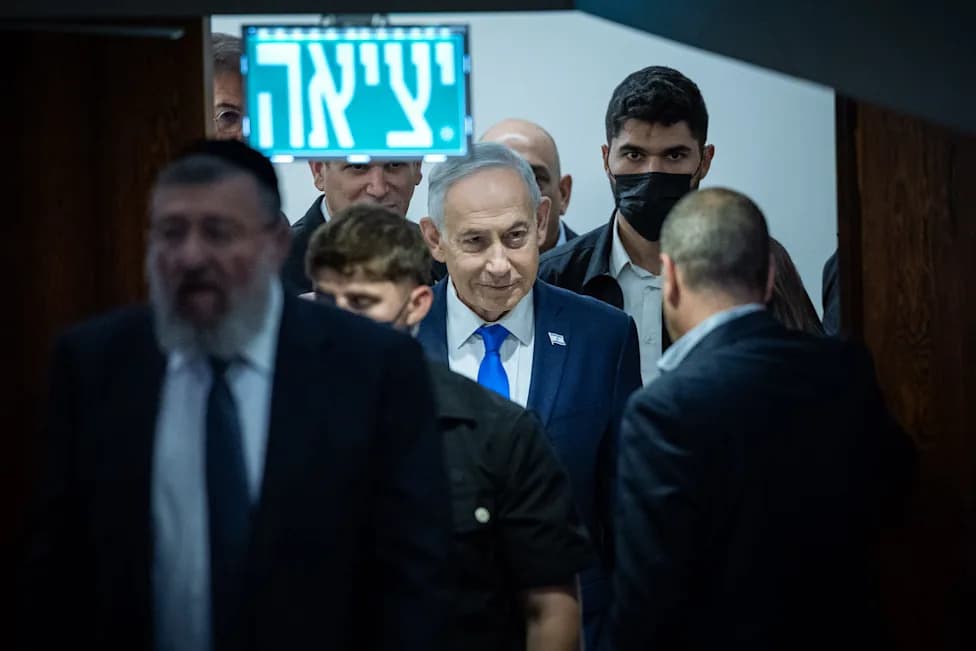
download high resolution download low resolution add to lightbox file name: F260603YS37 File Size: 3071 KB caption (en): Israeli Prime Minister Benjamin Netanyahu attends the State Comptroller elections at the plenum of the Knesset, in Jerusalem, June 3, 2026. (photo credit: YONATAN SINDEL/FLASH90)
Four years is long enough to judge what a government achieves when it is allowed to complete a full term. Benjamin Netanyahu’s 2022 coalition — the first of his administrations to last the full four years — offers a rare window to compare promises with outcomes across cost of living, childcare, housing and infrastructure, crime, and national security.
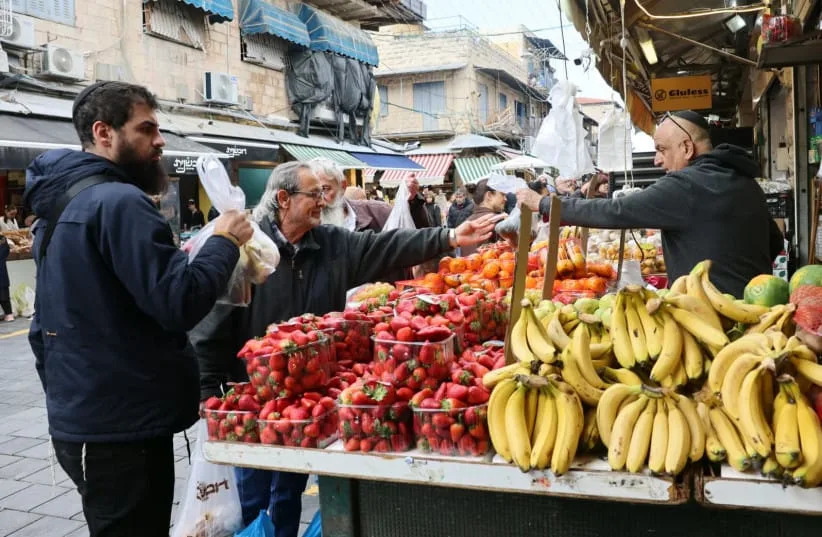
A vendor continues selling at Jerusalem's Mahane Yehuda market during the war with Iran, March 2026. (credit: MARC ISRAEL SELLEM/THE JERUSALEM POST)
Cost of Living and Economy
Then: In 2022 the OECD ranked Israel as the most expensive developed country, with price levels about 38% above the OECD average. The minimum wage was NIS 5,300 per month and average household income was roughly NIS 22,013. Nearly 2 million Israelis lived below the poverty line that year.

THE INSTITUTE has quickly materialized into a thriving community of 140 students aged three to 10. (credit: Abravanel Institute Cécile Berdugo)
Now: By 2026 Israel remains among the five most expensive OECD economies. The minimum wage has risen to NIS 6,443.85 and average household income is closer to NIS 24,000 (latest full-year figures pending). Inflation has cooled and 2026 is on track to remain within the Bank of Israel’s 1–3% target range, but everyday costs — especially housing and food — remain high.
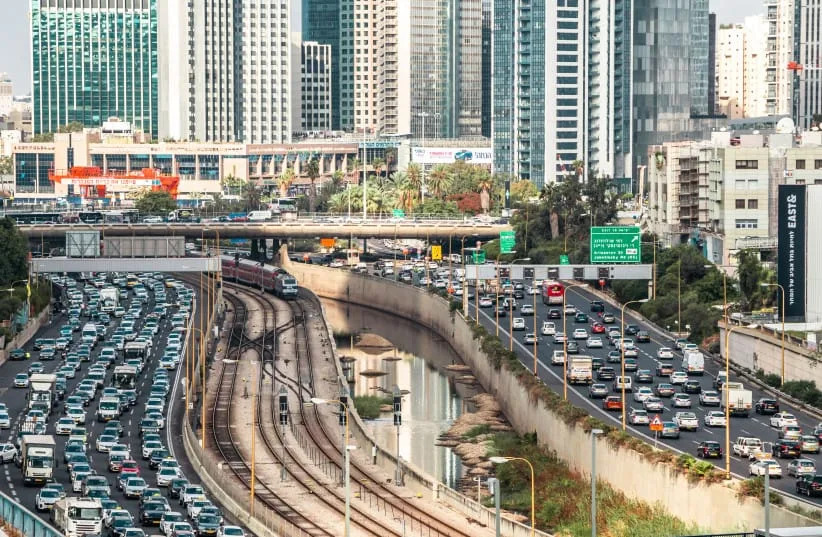
Gaps in Israel's grid capacity, public transport systems, waste treatment facilities, and regulatory frameworks mean that many innovations to improve the environment cannot be deployed at a meaningful scale. (credit: SHUTTERSTOCK)
Childcare and Early Education
Childcare was a headline pledge in 2022. In April 2023 the government announced a NIS 2 billion plan to build state-funded daycare centers and subsidize parents, with officials expecting the measures to reduce costs for roughly a quarter of children initially. Some sites — like the Abravanel Institute location cited by officials — expanded services, but the October 7, 2023 assault and the ensuing war interrupted rollouts and diverted funds to emergency spending.
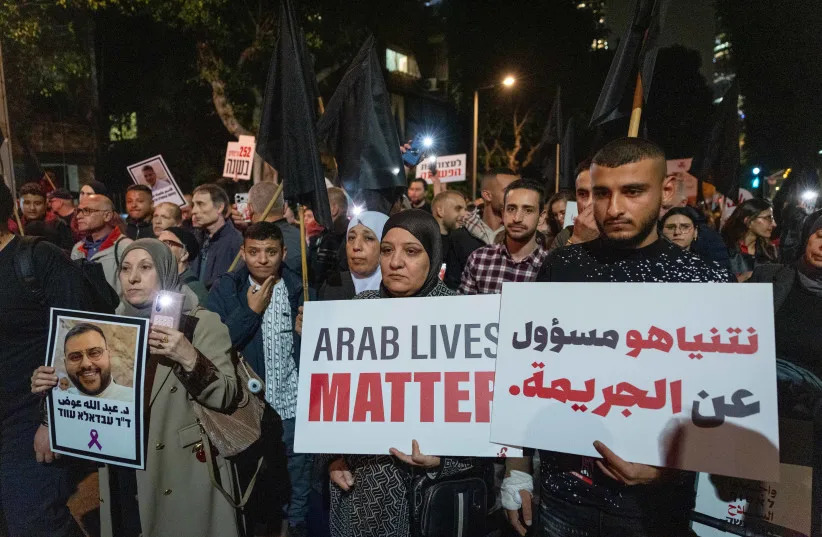
Thousands attend a protest against the violence in the Arab community, in Tel Aviv. January 31, 2026. (credit: YONATAN SINDEL/FLASH90)
As of 2026 Israel has expanded subsidies and state-funded places, but it has not achieved universal free preschool or daycare for all children from birth to age three; most families still pay at least part of childcare costs.
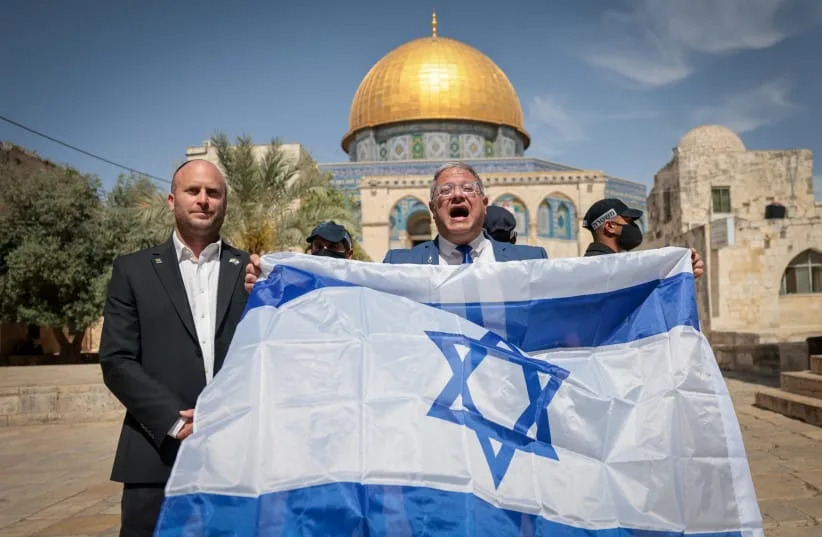
National Security Minister Itamar Ben-Gvir waves the Israeli flag as he tours the Temple Mount in Jerusalem's Old City, May 14, 2026 (credit: YONATAN SINDEL/FLASH90)
Housing and Infrastructure
The government pushed to speed planning approvals and increase housing starts, including development in Israel’s periphery and the West Bank. These efforts produced an uptick in housing units, but OECD data show construction rates still trail population growth. The Israel–Hamas war also shifted focus and resources toward repairing damaged and destroyed homes.
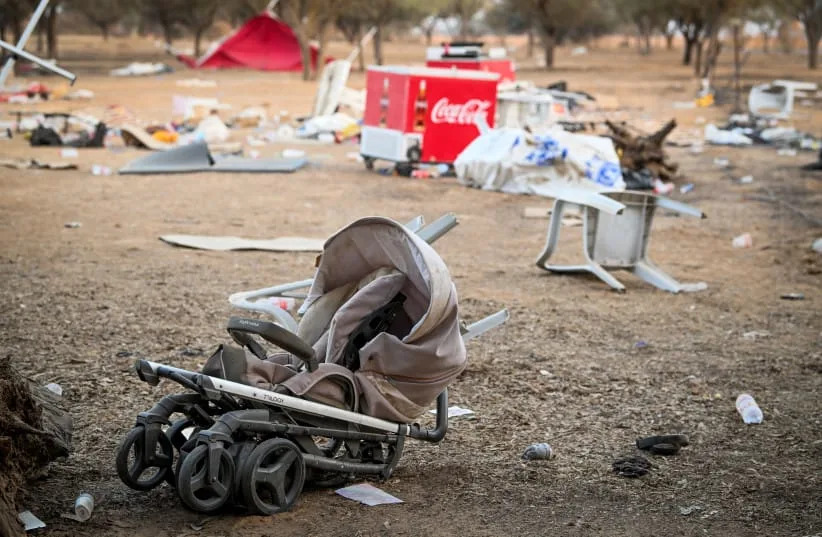
The aftermath of Hamas's Nova music festival massacre in Re'im, southern Israel, on October 7, 2023. Picture taken November 2, 2023 (credit: Arie Leib Abrams/Flash90)
Infrastructure results were uneven: rail, light-rail, ports, broadband and energy generation saw measurable improvements, but roads and daily public transit — the systems most tied to commuting and housing access — remained the weakest links. Traffic congestion, particularly in the Tel Aviv area, continues to rank among the worst in the OECD, and bureaucratic planning delays limited the pace of necessary projects.
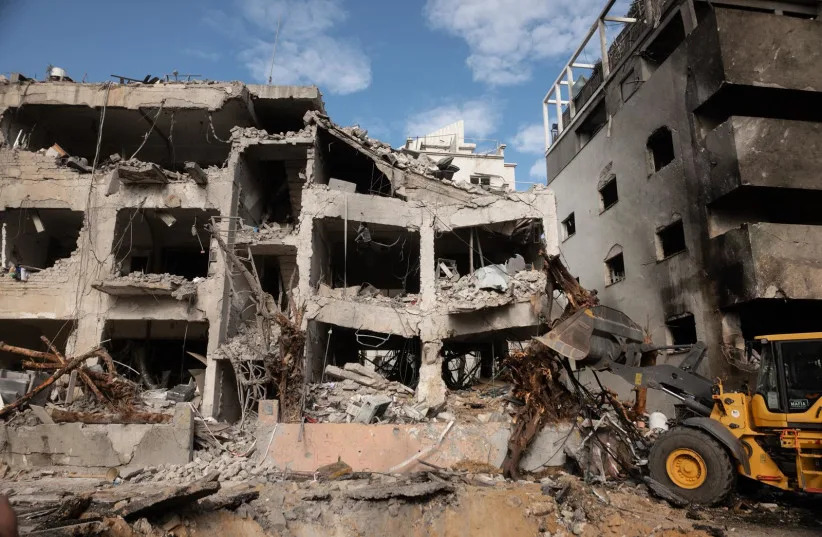
Destroyed building in central Israel following Iranian missile strikes on February 28, 2026. (credit: CHEN SCHIMMEL)
Crime, Policing and Public Confidence
Netanyahu campaigned on tougher law-and-order measures. The period saw forceful policing and nationwide raids targeting organized crime, weapons and drugs, led in part by National Security Minister Itamar Ben-Gvir. Despite these operations, indicators of organized crime and community violence worsened: recorded Arab-sector homicide victims rose from 116 in 2022 to 252 in 2025, and by July 1, 2026 nearly 150 killings had been recorded for that year. Firearms accounted for an estimated 85–90% of those murders, pointing to continued illegal weapons circulation.
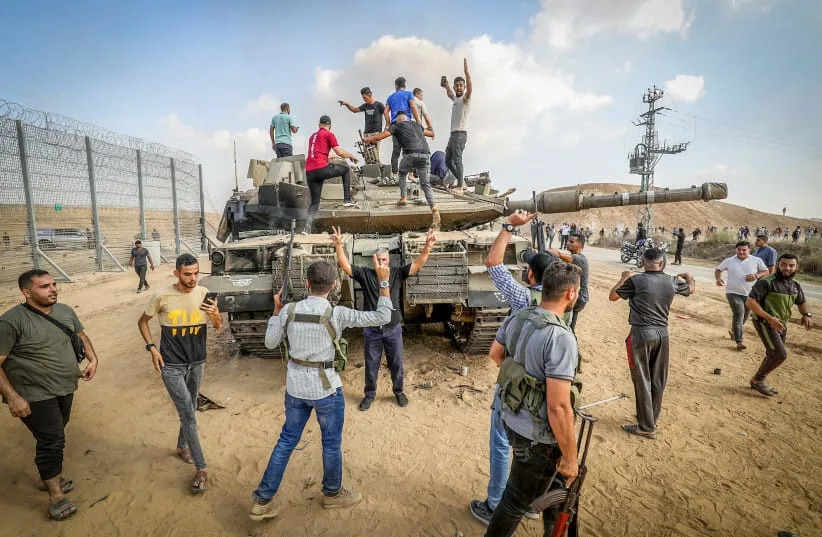
Palestinians take control of an Israeli tank after crossing the border fence with Israel from Khan Yunis in the southern Gaza Strip, October 7, 2023. (credit: ABED RAHIM KHATIB/FLASH90)
The Global Initiative Against Transnational Organized Crime continued to identify Israel as facing significant organized-crime challenges, and public trust in the police declined: by late 2025 roughly 65% of Israelis reported little to no faith in the Israel Police, with only about a third expressing substantial trust.
Security, Deterrence and Regional Violence
Restoring deterrence was a central campaign promise. Instead, the term saw multiple major rounds of conflict. From election day to October 6, 2023, over 2,000 rockets and missiles were fired toward Israel. On October 7, 2023, Hamas launched at least 3,000 rockets in the opening hours (IDF estimates placed the total that day closer to 5,000).
Across the four-year period roughly 17,000 projectiles were fired at Israel from Gaza, nearly 13,000 from Lebanon, about 300 from Yemen, and some 70 from Syria. The Iranian regime launched approximately 1,150 missiles toward Israel in multiple rounds of fighting from April 2024 onward. Thousands of Israeli civilians and soldiers were killed across these conflicts, and October 7 fundamentally reshaped government priorities and budgets.
Public Opinion and Political Context
Public confidence in a diplomatic path shifted downward: in March 2026 only 13% of Jewish Israelis believed negotiations with the Palestinian Authority would likely achieve peace in the coming years (Tel Aviv University Peace Index). Fewer than half of Jewish Israelis in late-2025 polls believed a regional peace process was likely to begin.
Overall Assessment
The government’s record is mixed. Israel remains one of the world’s most expensive developed countries even as inflation returned toward target. Childcare subsidies expanded, but universal early childhood provision was not achieved. Housing and infrastructure saw real investment and new capacity, yet growth lagged population needs and roads/public transit failed to resolve daily congestion. Crime and organized-crime indicators worsened while public trust in police declined. And on security, the term culminated in October 7 and subsequent multi-front conflict — a dramatically different outcome than the deterrence the 2022 campaign promised.
Context matters: the October 7 assault and the ensuing wars redirected budgets and attention across nearly every policy area, but even accounting for that disruption, the gap between campaign promises and outcomes will be central to voter judgments when Israel returns to the polls.
Help us improve.