Pamela Smart, serving life without parole after her 1991 conviction for persuading a teenage lover to help kill her husband, has asked a New Hampshire court to allow a habeas corpus petition to proceed. Her lawyers contend written transcripts provided at trial inserted words not audible on the recordings, biasing jurors. Prosecutors say the claims have been litigated previously or could have been raised earlier; Judge James Kennedy has taken the matter under advisement and expects a ruling in 30–60 days. Smart publicly accepted responsibility for her role in 2024 and has exhausted multiple appeals and clemency requests.
Pamela Smart Asks Court To Let Habeas Petition Proceed, Says Jurors Were Misled By Trial Transcripts
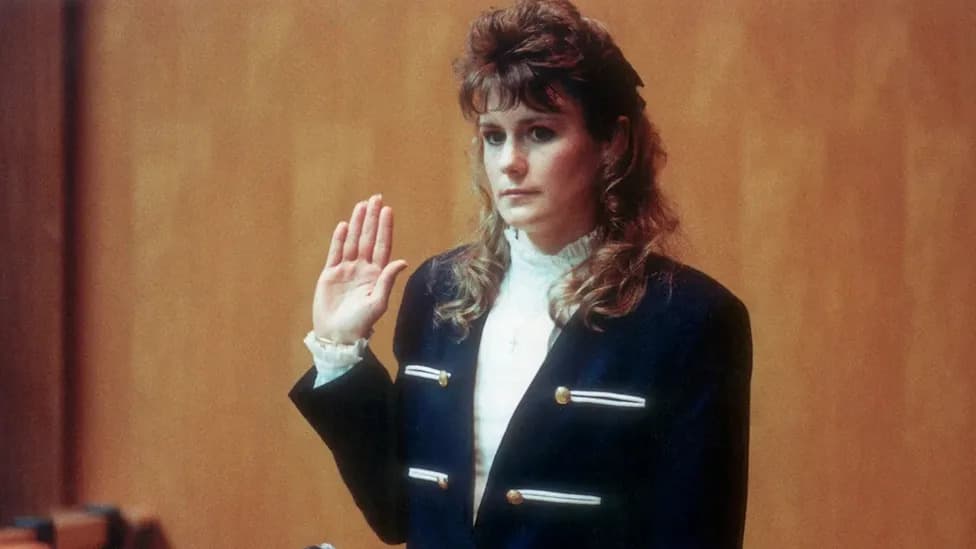
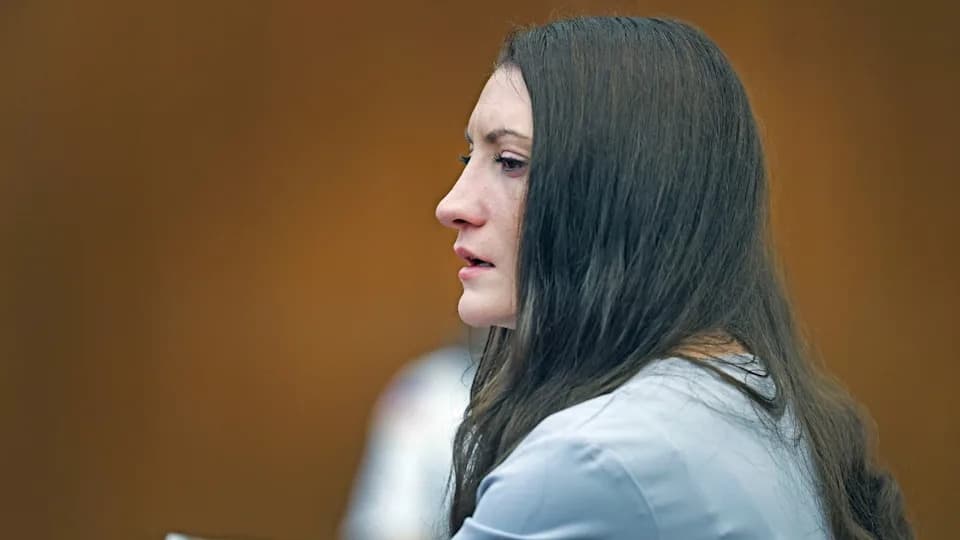
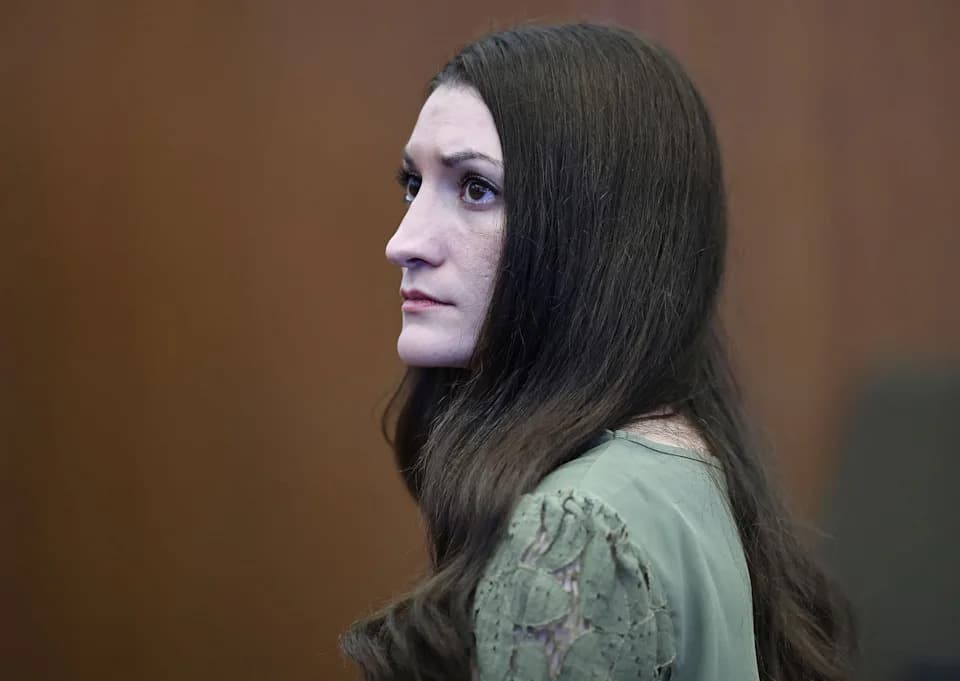
Pamela Smart raises her right hand while testifying in court during her 1991 murder trial in New Hampshire.
Pamela Smart, convicted in 1991 of persuading her teenage lover to help kill her husband, has asked a New Hampshire judge to let a habeas corpus petition move forward, arguing jurors were misled by written transcripts of secretly recorded conversations.
Background
Smart, who was 22 in 1990 and working as a high school media coordinator, was convicted as an accomplice to first-degree murder after prosecutors said she convinced 15-year-old William (Billy) Flynn to kill her husband, Gregory Smart. She has been serving a life sentence without parole since the conviction.
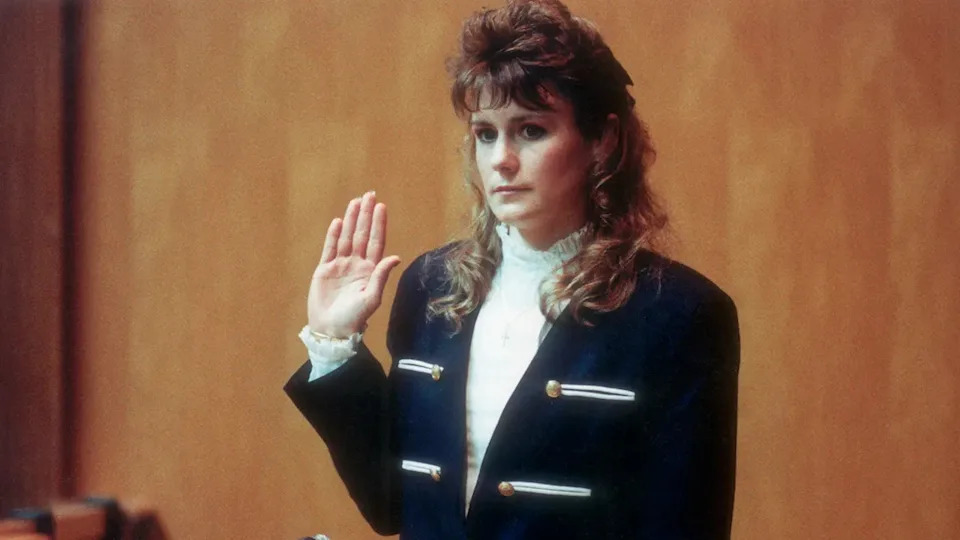
Pamela Smart testifies during her 1991 murder trial in New Hampshire. Smart is serving life without parole for her role in the killing of her husband, Gregory Smart, and is seeking a new trial through a habeas corpus petition.
The Petition
In January Smart filed a habeas petition seeking to overturn her conviction. Her attorney, Matthew Zernhelt, says new forensic research shows that written transcripts can steer listeners to hear words that are not clearly present on audio recordings. Zernhelt highlights disputed words and phrases in the trial transcripts, including alleged insertions such as 'you had your husband killed,' 'I'm gonna be busted,' and 'this would have been the perfect murder.'
Arguments At Hearing
Merrimack County Superior Court Judge James Kennedy heard arguments on whether Smart's petition clears the low threshold required to avoid dismissal and warrant an evidentiary hearing. Kennedy took the matter under advisement and said he expects a written ruling within 30 to 60 days.
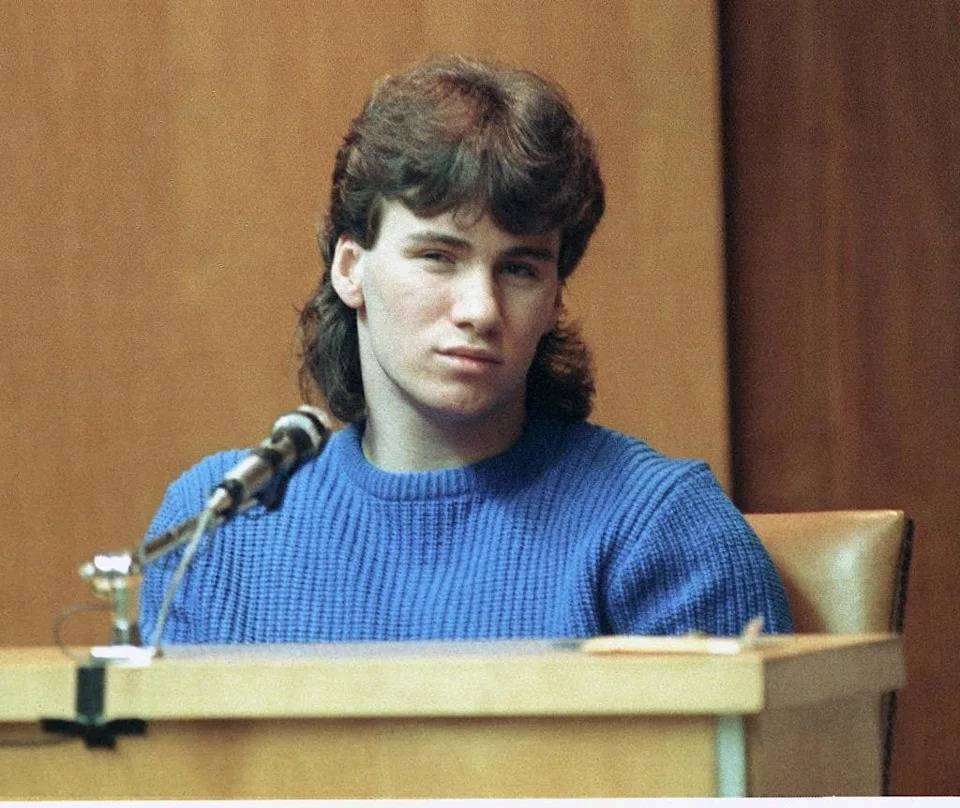
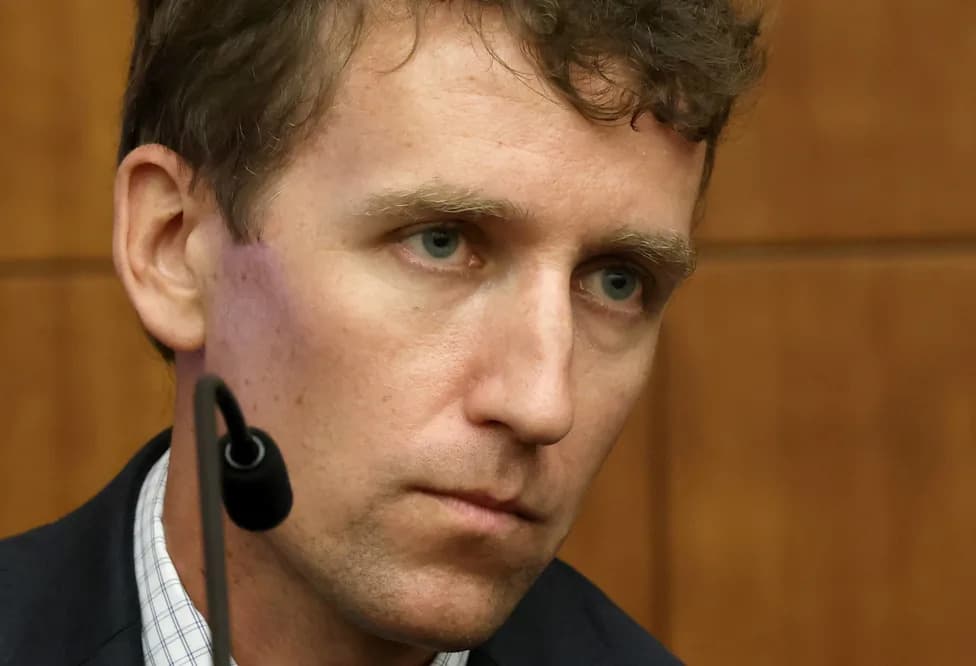
In this March 9, 1991, file photo, Patrick Randall, 17, testifies in Rockingham County Superior Court in Exeter, N.H. Randall held a knife to Gregory Smart's throat in May 1990 as Billy Flynn, who was Pamela Smart's teenage lover, shot him in the head.
Zernhelt pointed to trial-era recordings made later by a juror and to modern studies suggesting transcripts can bias how jurors interpret hard-to-hear audio. He argued those factors amount to sufficient factual allegations to require further proceedings.
Assistant Attorney General John Drennan urged dismissal, saying most of Smart's claims were previously raised and rejected on direct appeal or could have been raised years ago but were not. Prosecutors also emphasized that jurors were instructed to rely on the audio recordings if a transcript conflicted with what they heard and that the defense previously challenged transcripts only on 'doubling' of voices, not on the specific words now contested.
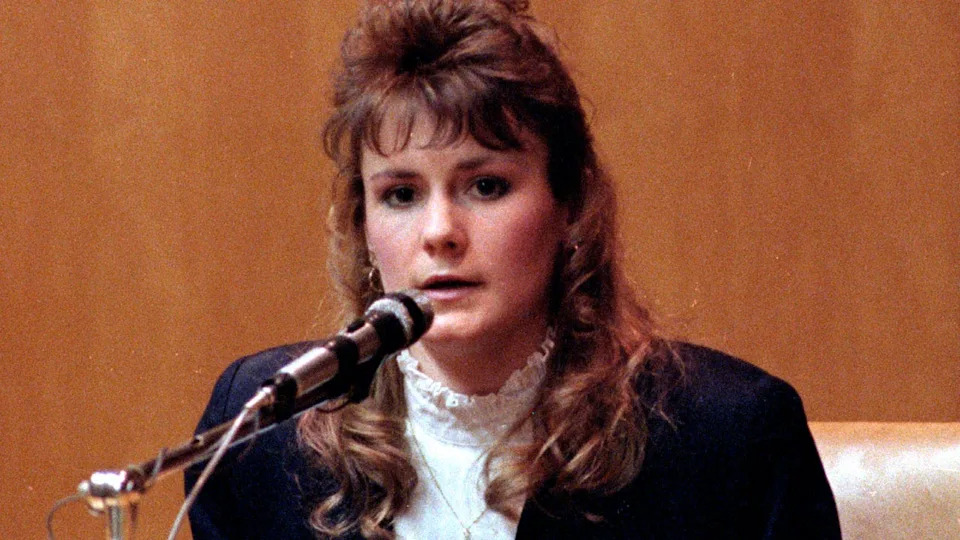
Pamela Smart testifies during her 1991 murder trial in New Hampshire. Smart is serving life without parole for her role in the killing of her husband, Gregory Smart, and is seeking a new trial through a habeas corpus petition.
Other Issues Raised
Smart's lawyers also argue the verdict was affected by pervasive media coverage, flawed jury instructions (including allegedly shifting the burden on premeditation), and that she was improperly sentenced to mandatory life without parole as an accomplice rather than as the shooter. Prosecutors maintain these claims either were litigated already or lack factual support.
Case Context And Developments
In May 1990 Flynn and 17-year-old Patrick Randall entered the Smarts' condominium in Derry, New Hampshire, forced Gregory Smart to his knees and shot him in the head; two other teenagers helped plan the killing. Flynn and the other juveniles later cooperated with prosecutors and have since been released from prison.

William Flynn testifies during Pamela Smart's 1991 murder trial in New Hampshire. Flynn admitted fatally shooting Gregory Smart and testified that Pamela Smart persuaded him to carry out the killing.
Smart publicly accepted responsibility for her role in 2024 in a prison video, saying she "takes full responsibility for my part in Gregory's murder." She has repeatedly sought relief in state and federal courts over more than three decades and has been denied new trials, sentence reductions, and clemency, including a recent clemency denial by Governor Kelly Ayotte.
The trial drew intense national attention, was among the first murder trials broadcast live from start to finish, and later inspired Joyce Maynard's novel "To Die For" and the 1995 film adaptation starring Nicole Kidman.
Help us improve.