
Overview: Zelensky weathered a major political crisis after firing Defence Minister Mykhailo Fedorov, triggering nationwide protests and six days of talks. He ultimately removed Commander-in-Chief Oleksandr Syrsky and named Mykhailo Drapaty as his successor, signaling a tilt toward military modernisation. The clash exposed a deep rift between tech-focused reformers and traditional military leaders and raised concerns that domestic discord could advantage Russia.
Zelensky Survives Political Storm as Ukraine’s Military Leadership Shifts Toward Innovation
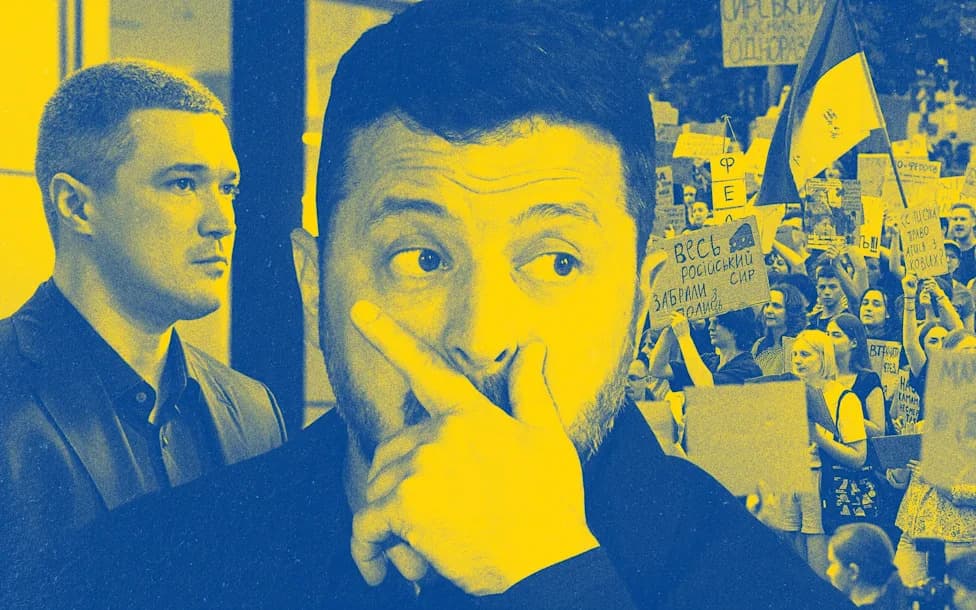
Zelensky defence shuffles
It has been one of the most turbulent weeks of Volodymyr Zelensky's presidency. Decisions intended to contain a political crisis have produced consequences that may reshape Ukraine's military approach in the war with Russia.
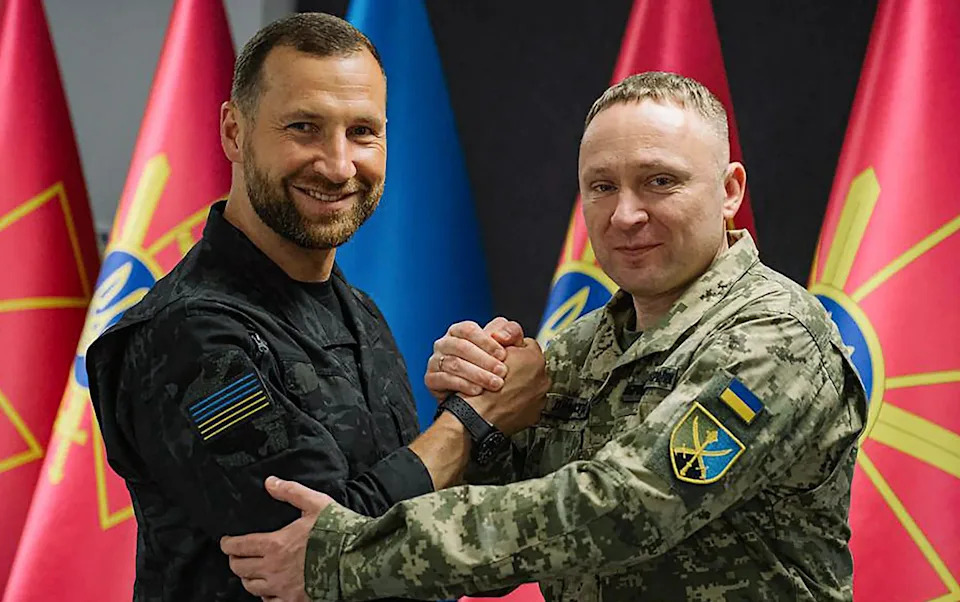
Yevgeniy Khmara (left), the acting defence minister, with Mykhailo Drapaty, the new commander-in-chief of the armed forces - Getty
What Happened
The crisis began when Mr Zelensky dismissed Mykhailo Fedorov, a popular, reform-minded defence minister, just six months after his appointment. The sacking sparked mass street protests across Ukraine and six days of intense negotiations. Rather than reinstate Mr Fedorov immediately, the president ultimately removed Commander-in-Chief Oleksandr Syrsky — whose public feud with Fedorov had paralysed senior military leadership — and appointed Mykhailo Drapaty as the new commander-in-chief.
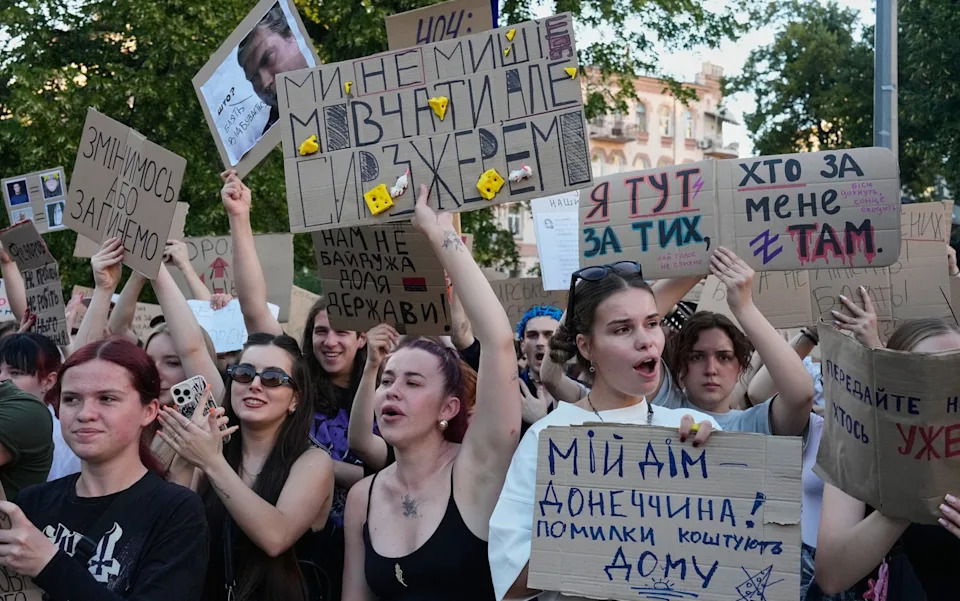
Activists took to the streets to protest against the dismissal of Mr Fedorov as defence minister - AP
Political and Social Fallout
The episode highlighted deep domestic divisions over how Ukraine should fight and who should lead that effort. Protesters framed the dispute as a clash between an entrenched establishment and a younger, reformist generation pushing for modernisation. Many Ukrainians saw the ability of protests to produce concrete results as evidence that democratic accountability endures despite wartime limits on elections.
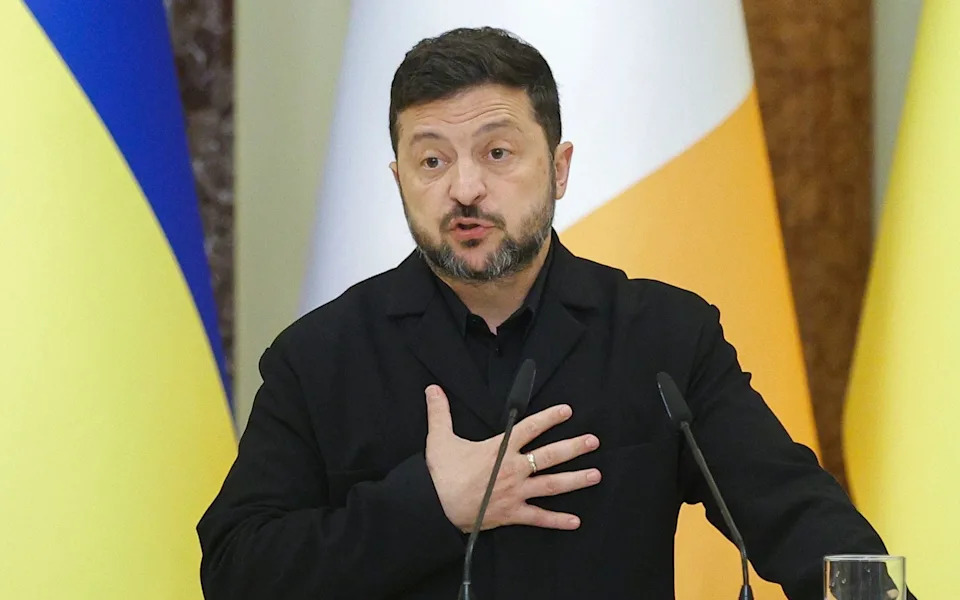
Mr Zelensky's authority has been weakened by the fallout from his sacking of his defence - Shutterstock
At the same time, critics warned the public rift damaged Zelensky's authority and could be exploited by Moscow. A lawmaker from the president's own party conceded the spectacle of division "gives Putin a gift," while analysts said the affair compounded earlier political headaches, including the high-profile resignation of Zelensky's chief of staff, Andriy Yermak.
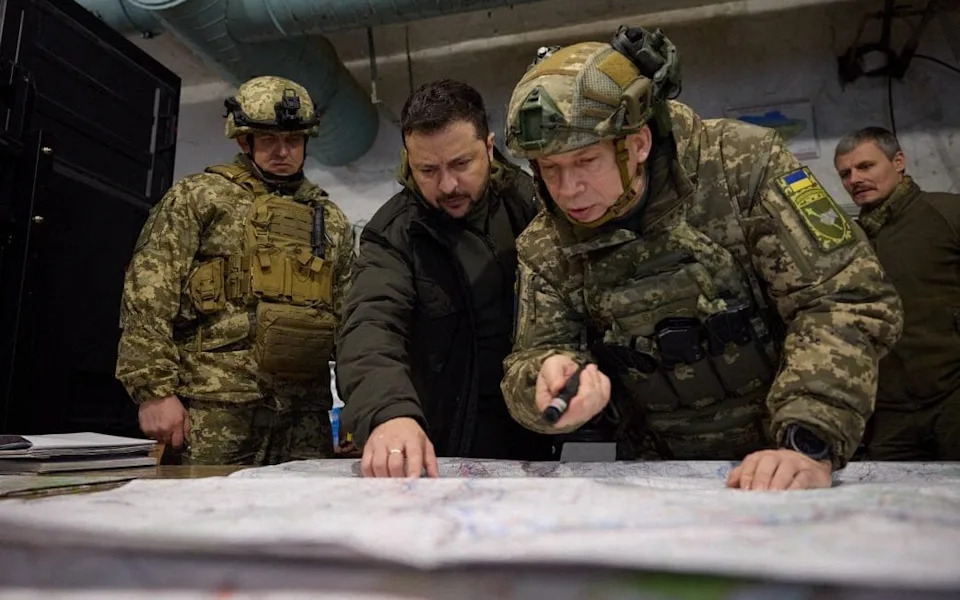
President Zelensky and Gen Oleksandr Syrsky, described by younger officers as a 'dinosaur' for his aversion to hi-tech warfare - Getty
Military Debate: Drones vs. Conventional Firepower
The core dispute pitted a tech-forward, autonomy-embracing approach championed by Mr Fedorov against a conventional, experience-driven doctrine represented by Gen Syrsky. Supporters of the reformers point to the striking tactical successes of Ukraine's drone campaigns — long-range attacks on energy infrastructure and supply routes that repeatedly disrupted Russian logistics. Syrsky's supporters countered that an overemphasis on drones diverted funding from critical ammunition, notably artillery shells, and risked weakening tried-and-tested capabilities.
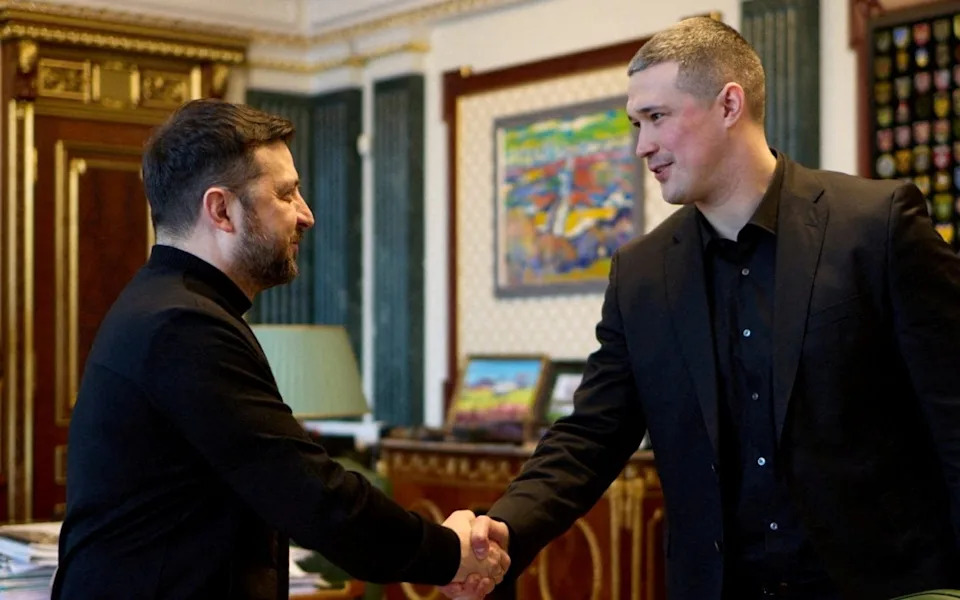
The president appointed Mykhailo Fedorov defence minister six months ago - Reuters
Relations between the two men reportedly deteriorated into open sabotage: audits and pay reforms pushed by Fedorov clashed with Syrsky's reorganisation of brigades and resistance to some technology-focused initiatives. An audit attributed to Fedorov's team identified substantial overspending — reported at about £5bn — and his reforms included higher pay for frontline troops, troop-rotation changes, and efforts to consolidate underperforming units.
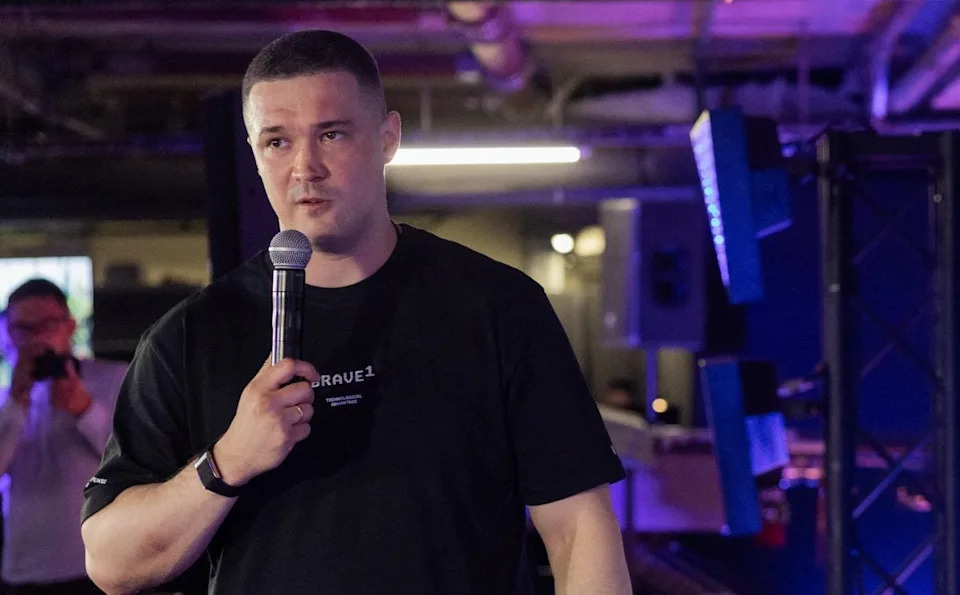
After he was axed, Mr Fedorov accused Gen Syrsky of hindering reform and dividing Ukraine - Getty
What the Leadership Changes Mean
By appointing 43-year-old Gen Mykhailo Drapaty as commander-in-chief, Zelensky signalled a tilt toward the reformist vision. Drapaty is widely described as a battlefield commander who supports modernisation and is seen as more open to technological innovation than his predecessor. Whether Fedorov returns to a ministerial or senior role remains unresolved, but the momentum favors the reformist agenda.

"We faced a complete blockage of all our initiatives," Fedorov said after his dismissal, publicly accusing the old guard of undermining reforms. His remarks helped galvanise protesters and spotlight the generational contest within Ukraine's wartime leadership.
Outlook
The political episode underscored both strengths and vulnerabilities in Ukraine today: resilient civic activism and democratic accountability on the one hand, and political fragmentation that could hamper wartime unity on the other. The longer-term consequence may be a lasting shift in military doctrine toward a greater role for drones, autonomy and other high-tech tools — but balancing innovation with conventional capabilities and ammunition supply will remain critical for battlefield success.
Help us improve.





















