Clodagh Murphy of Leiden University shows that male secretaries, notably Francis Walsingham, sometimes revised Elizabeth I's letters to make her sound angrier and more unpredictable. Analysis of drafts — especially a May 1584 letter concerning Mary, Queen of Scots — reveals editorial insertions that mirror secretaries' own writings. The study argues these changes were rhetorical tools used to intimidate rivals and shape diplomacy, and that longstanding portrayals of Elizabeth's temperament reflect broader misogynistic assumptions.
Elizabeth I's 'Temper' Was Largely Penned By Her Men, Study Suggests
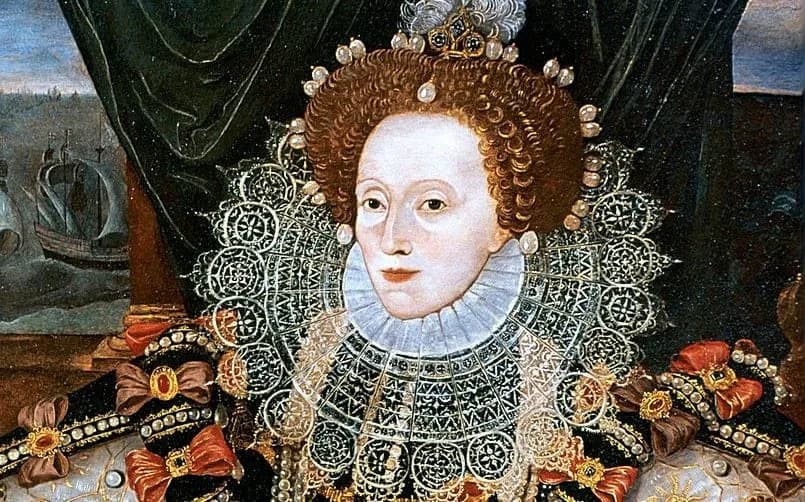
Many letters written by Elizabeth I appear to have had angry content added by underlings - Getty
New research argues that some of the long-standing portraits of Elizabeth I as volatile and quick to anger were shaped not by the queen herself but by the male secretaries and advisers who edited her correspondence. Clodagh Murphy, a doctoral researcher at Leiden University, examined drafts and marginalia and found that advisers sometimes inserted sharper language or emotional flourishes to achieve political ends.

Clodagh Murphy suggests Elizabeth's male scribes deliberately put in emotional outbursts in her letters
Findings And Key Example
Elizabeth, who reigned from 1558 to 1603, left more than 3,000 letters at her death. Historians have traditionally focused on the roughly 100 letters written in her own hand, but Murphy concentrated on those drafted by scribes and secretaries. She found repeated instances where secretaries' handwriting and phrasing appear in official letters, reshaping tone and emphasis.

Francis Walsingham portrayed an 'angry' Elizabeth to intimidate Mary, Queen of Scots, it is suggested - Universal History Archive/Getty
One striking case is a May 1584 letter addressed to the Earl of Shrewsbury — written while Mary, Queen of Scots, was in his custody and likely to read the correspondence. Murphy identified revisions in the hand of Francis Walsingham, Elizabeth's principal spymaster, that reproduce criticisms and turns of phrase found in Walsingham's own papers. The draft preceding Walsingham's edits was noticeably milder, suggesting the harsher language was an editorial imposition intended to intimidate Mary and influence negotiations.
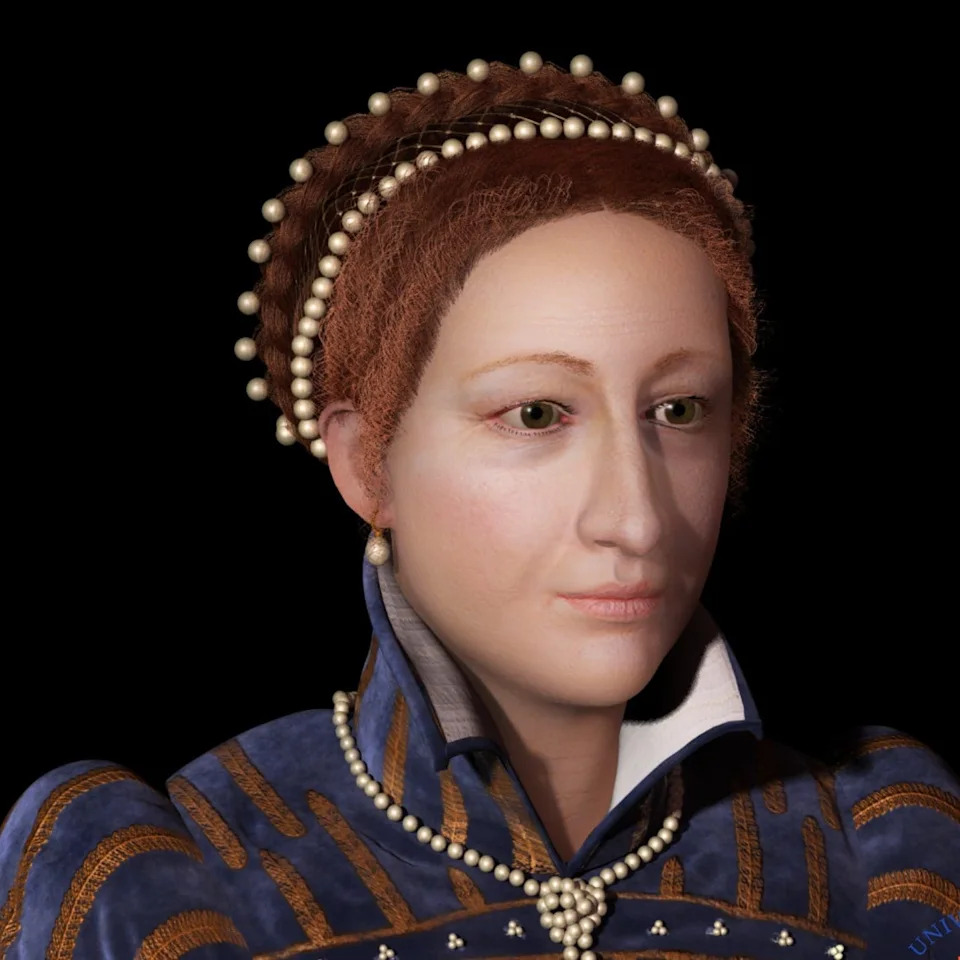
Mary, Queen of Scots, was seen as major threat to Elizabeth's throne
Rhetoric As A Political Tool
Murphy argues that secretaries deployed a range of royal emotions as part of diplomatic strategy. As she puts it, favour and disfavour have long been part of the courtly toolkit, and skilled advisers helped calibrate the monarch's tone for political effect. Similar interventions appeared in letters relating to Ralph Sadler, who supervised Mary under house arrest between 1584 and 1586, where added passages seem intended to cajole or pressure Mary into acting in England's interest.
“Elizabeth was far from being an overly emotional or irrational monarch: she actively, and cleverly, deployed emotion for rhetorical effect,” Murphy writes, noting that this deployment often involved collaboration with male secretaries such as Walsingham.
Context And Interpretation
The image of Elizabeth as irritable and passionate has deep roots. The late Tudor historian Conyers Read famously described her as having “a sharp tongue, a vile temper,” language that later scholars say reflects misogynistic assumptions about female rulership. Commenting on Murphy's findings, Anna Whitelock of City St George's, University of London, observed that sixteenth-century male commentators were predisposed to emphasise a woman ruler's emotionality, reinforcing arguments that women were unsuited to power.
Murphy's study does not deny that Elizabeth could be forceful; rather, it reframes many recorded outbursts as carefully staged rhetorical performances shaped by advisers. By distinguishing between autograph letters and those heavily edited by secretaries, historians can gain a clearer, less gender-biased picture of how Tudor diplomacy and court image-making operated.
Source: Research by Clodagh Murphy, Leiden University; archival drafts including a May 1584 letter held at The National Archives.
Help us improve.