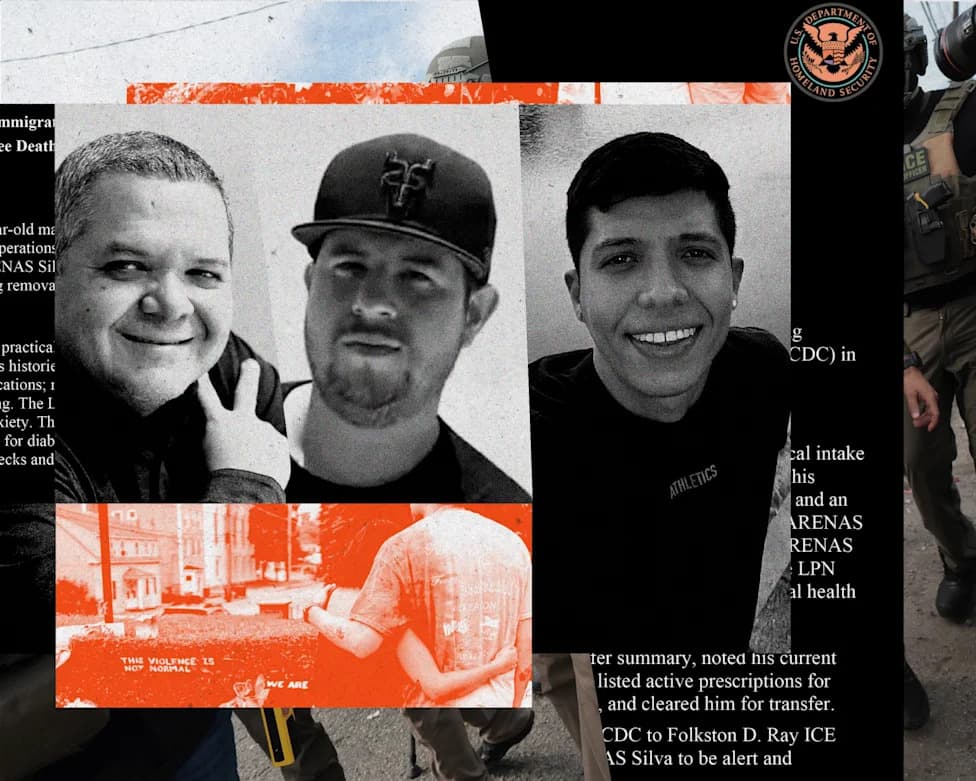
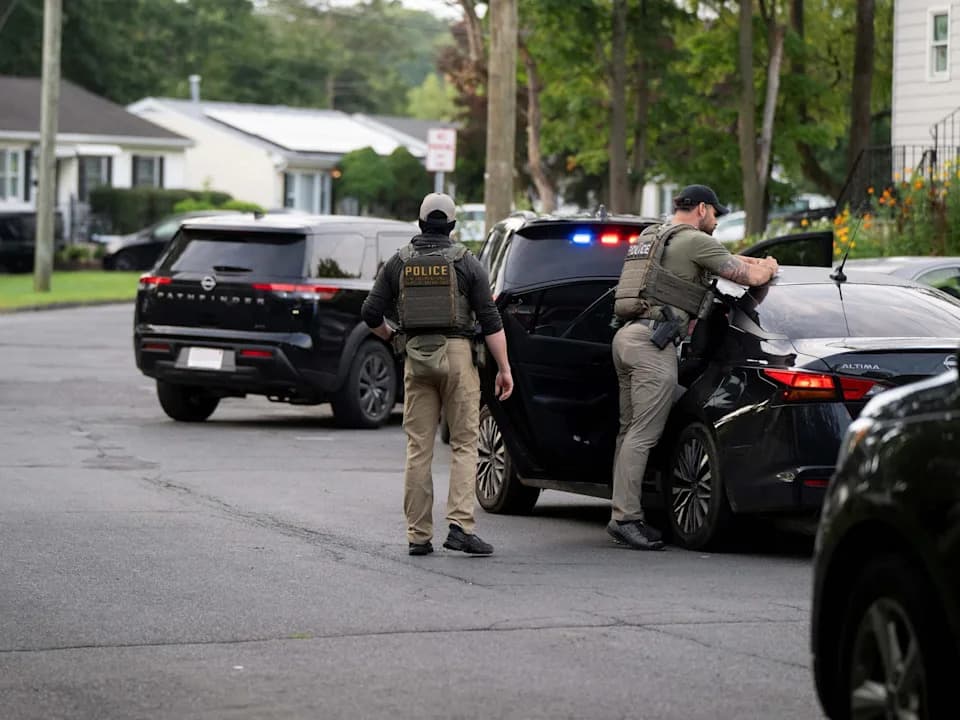
President Trump reversed a one-day suspension of most ICE vehicle stops after a week in which three people died during encounters with immigration agents. Two men were fatally shot during traffic stops—one in Houston (July 7) and one in Biddeford, Maine (July 13)—and a third man died in Florida (July 14) while fleeing officers. Both shooting victims were reportedly unarmed and agents at both scenes did not wear body cameras. The White House reinstated the tactic the same day Trump denounced ending traffic stops; critics warn of racial profiling and the dangers of shooting into moving vehicles.
Trump Reinstates ICE Traffic Stops After Deadly Week That Killed Three Immigrants
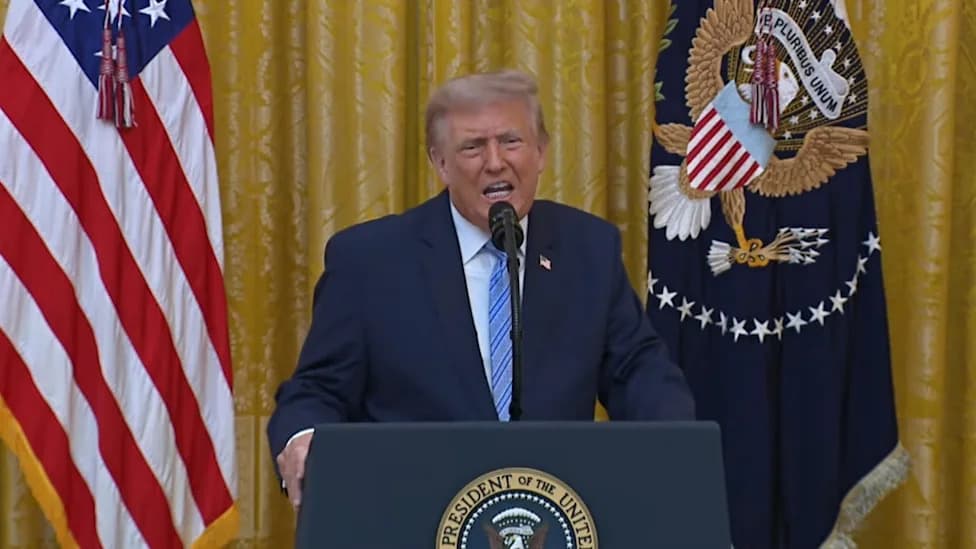
Trump backs ICE traffic stops after deadly week for immigrants
President Donald Trump overturned a one-day suspension of most Immigration and Customs Enforcement (ICE) vehicle stops after three people died in separate encounters with immigration agents over seven days.
Fatal Encounters
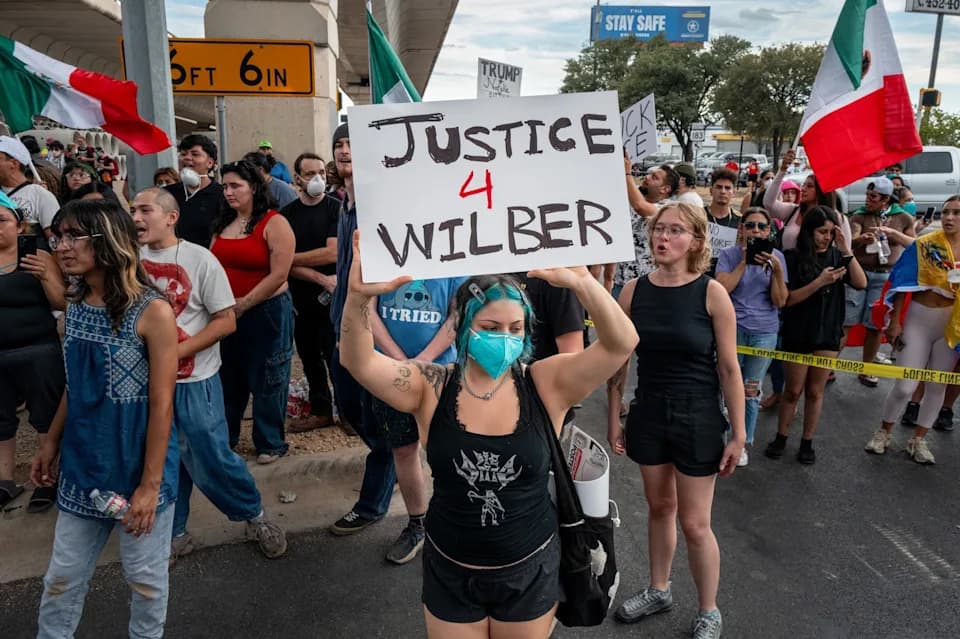
On July 7, immigration officers shot and killed Lorenzo Salgado Araujo, 52, a homebuilder from Mexico, during a traffic stop in Houston. Authorities say officers had come for someone else; Araujo was unarmed, and no agent at the scene wore a body camera.
On July 13, Johan Sebastián Durán Guerrero, 25, a Colombian national, was shot and killed inside his car in Biddeford, Maine. Homeland Security said the vehicle "attempted to flee the scene," and investigators noted agents had been seeking another person. Durán Guerrero was reportedly unarmed and no body cameras were worn by agents involved.
On July 14 a 28-year-old man in Florida died after being struck by a tractor-trailer while fleeing immigration and other federal officers. Homeland Security identified him as a Mexican national but has not released his name or clarified his immigration status.
Policy Reversal
After the two shootings, the administration briefly paused most ICE vehicle stops. President Trump quickly rejected that pause. In a Truth Social post he declared,
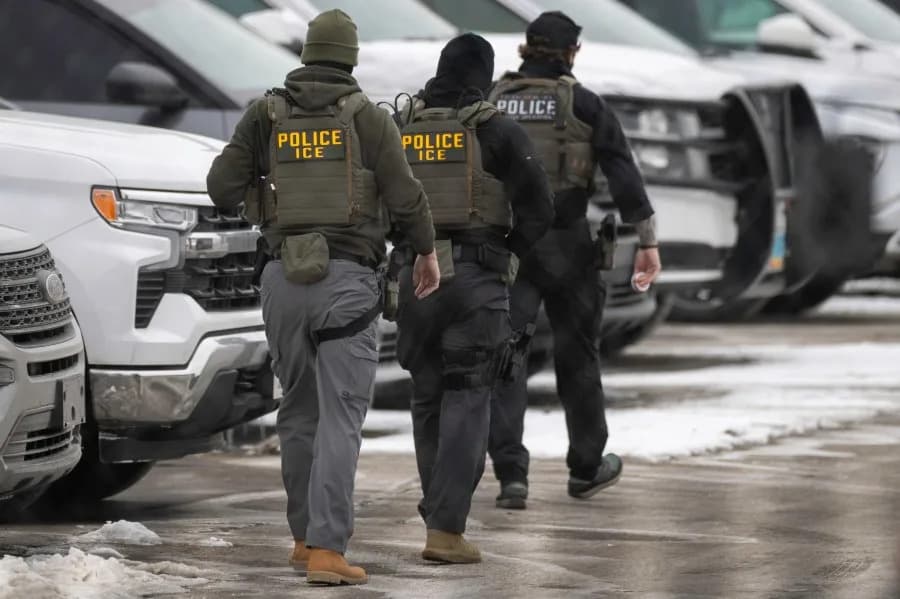
"We CANNOT give up one of I.C.E.'s most important and effective Crime Fighting tools, THE TRAFFIC STOP!"The White House reversed the suspension the same morning. ICE officials are reportedly still pursuing a self-imposed target of about 2,000 arrests per day, with increases in arrests tied to check-ins, traffic stops and court appearances.
Legal Context And Civil Liberties Concerns
The tactic has faced fewer legal limits after the Supreme Court last year effectively lifted a federal judge's order that restricted ICE from stopping people based primarily on race, language or type of work. Justice Brett Kavanaugh wrote that while "apparent ethnicity alone cannot furnish reasonable suspicion," it can be "a 'relevant factor' when considered along with other salient factors."
In dissent, Justice Sonia Sotomayor warned the ruling could leave low-wage workers—many of them Latino—vulnerable to seizure. Civil-rights advocates and policing experts have stressed the danger of firing into moving vehicles, noting it is especially risky and should be avoided except in extraordinarily rare circumstances.
Community Impact And Detention Concerns
Enforcement operations have not been limited to Latino communities: last year ICE arrested hundreds of South Korean nationals at a Hyundai facility in Georgia, and raids such as Midway Blitz (Chicago) and Patriot 2.0 (Boston) occurred in cities with sizable Asian populations.
Separately, our analysis found that 12 Asian nationals have died in ICE custody since the start of the second Trump administration. Advocates note that limited English proficiency can make it harder for detainees to report medical emergencies or understand their legal rights; with appearance potentially factored into stops, roadside enforcement could also ensnare drivers from diverse Asian communities.
Reactions And Next Steps
Texas Governor Greg Abbott said state police would investigate the Houston shooting. Hundreds gathered to mourn Durán Guerrero, and additional protests have been planned. The deaths have intensified scrutiny of ICE tactics and renewed calls from civil-rights groups and some lawmakers for stricter limits, mandatory body cameras and greater transparency in enforcement operations.
Help us improve.