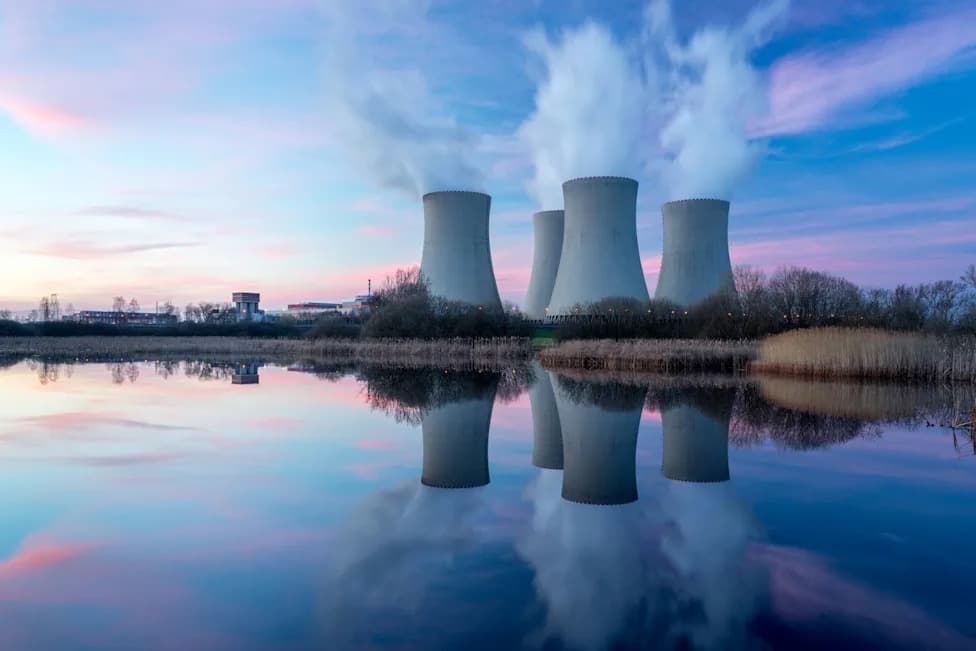
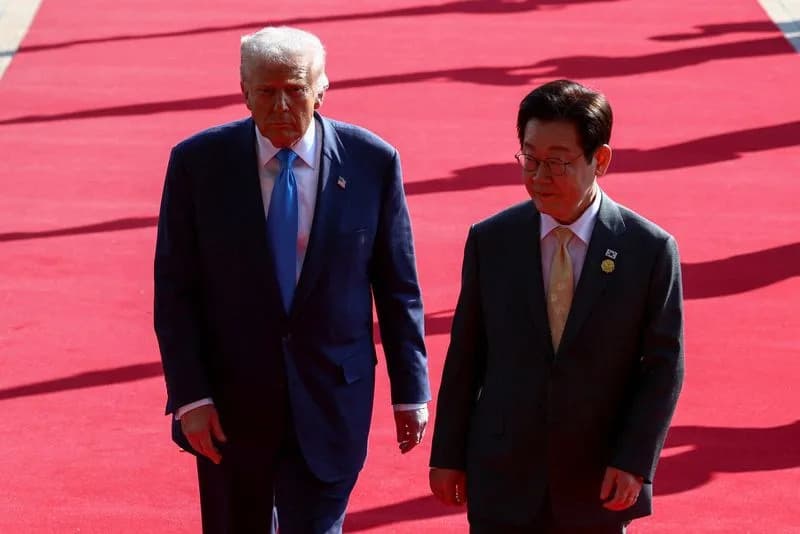
The U.S. is prioritizing cooperation on small modular reactors (SMRs) with Southeast Asian governments as electricity demand rises. Ambassador Kevin Kim said Washington is in "deep discussions" with several countries after a July 7 memorandum of understanding with Japan and South Korea to accelerate SMR deployment across the Indo-Pacific. The push is part of a broader U.S. energy strategy that includes LNG, grid technologies, and a $1.5 billion investment platform to bolster energy security in India and Southeast Asia.
U.S. Pushes Small Modular Reactors in Southeast Asia as Energy Demand Surges

U.S. Prioritizes Small Nuclear Reactors Across Southeast Asia
The United States is prioritizing cooperation on small modular reactors (SMRs) with Southeast Asian nations as regional electricity demand continues to rise. U.S. Ambassador to ASEAN Kevin Kim said the administration is in "deep discussions" with several governments about the technology's role in meeting future energy needs.
Trilateral Agreement Accelerates SMR Deployment
The renewed focus follows a memorandum of understanding signed on July 7 at the NATO summit by the United States, Japan, and South Korea. Under that agreement, the three countries committed to collaborate on accelerating SMR deployment in third countries, with an initial emphasis on the Indo-Pacific.
SMRs Part Of A Broader Energy Strategy
Ambassador Kim declined to provide specifics on potential commercial deals but said cooperation on SMRs is "an absolute priority for the administration," noting the reactors could play a critical role in meeting projected electricity demand. The SMR initiative complements a wider U.S. strategy in the region that also emphasizes liquefied natural gas (LNG) exports and grid technologies.
"SMRs can provide reliable, low-carbon baseload power that supports grid stability and economic growth," Ambassador Kim said.
As part of that approach, Washington unveiled a $1.5 billion investment platform in early June to support the build-out of energy-security infrastructure in India and Southeast Asia. In conjunction with U.S. engagement at ASEAN meetings in Manila, the administration announced additional funding measures to strengthen regional energy systems.
New Regional Energy Initiatives
- $60 million grant to enable energy-sector investment in the Philippines;
- $17 million to secure critical mineral supply chains across the Mekong region;
- $5 million to help develop power markets in Cambodia, Laos, Thailand, and Vietnam.
Washington's latest efforts reflect a drive to expand its energy footprint in Southeast Asia while promoting energy security, advancing next-generation nuclear technology, and securing critical minerals needed for clean-energy transitions.
By Charles Kennedy for Oilprice.com
Help us improve.