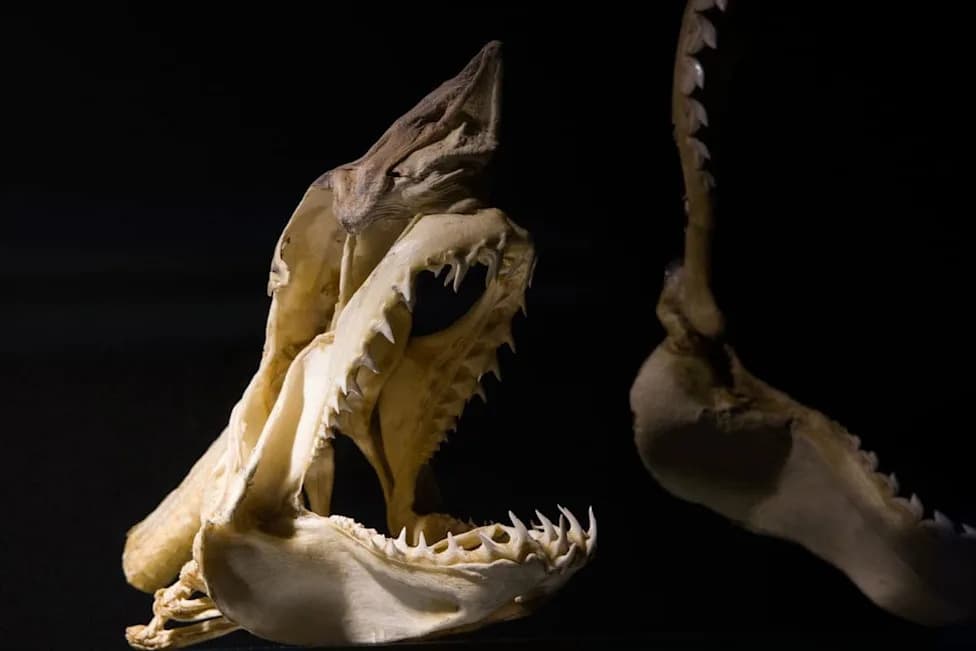
The Demon Cavefish (Demogorgonichthys arcanus) is a newly described, eyeless fish found in Bobcat Cave on Redstone Arsenal, Alabama. Detailed morphology, CT scans and genetic tests show it represents a new genus, distinct from the Southern Cavefish. Only a few individuals have been recorded, and scientists stress that protecting both the cave and the surrounding recharge basin will be essential for conservation.
Eyeless 'Demon Cavefish' Discovered Beneath Alabama Military Base — A New Genus
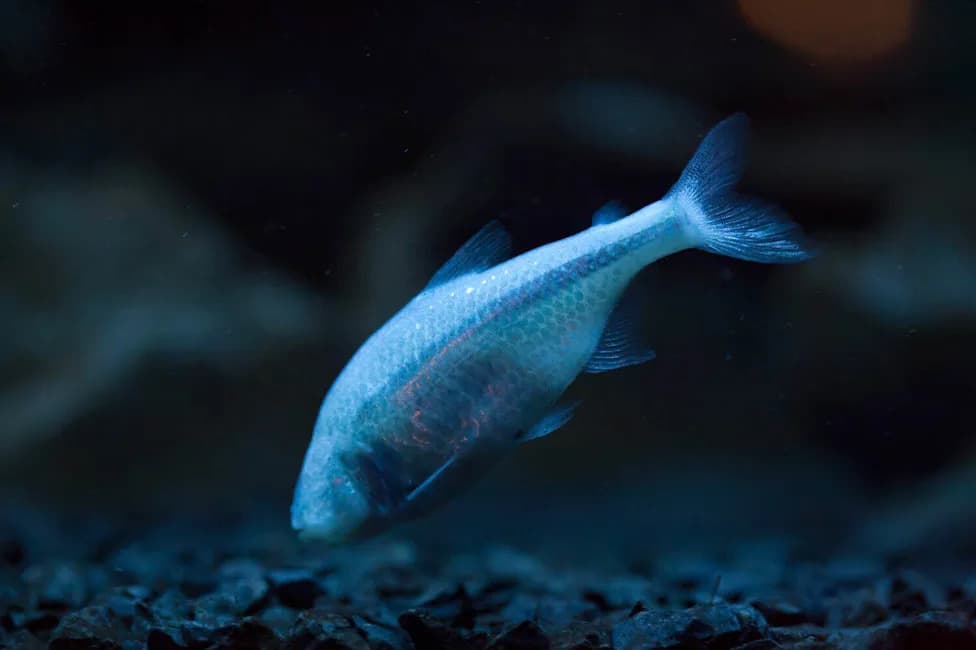
Mexican tetra (Astyanax mexicanus), also known as the blind cave fish. Wild life animal.© Vladimir Wrangel/Shutterstock.com
Alabama's karst landscape hides more than 4,200 caves, and even long-studied systems can conceal surprises. During a recent survey of Bobcat Cave on Redstone Arsenal near Huntsville, biologist Matthew Niemiller found a pale, eyeless fish unlike any previously documented in the region.
Discovery In a Well-Studied Cave
Bobcat Cave, located on Redstone Arsenal — a federal installation that also hosts one of NASA's larger field centers — is known to researchers for species such as the endangered Alabama Cave Shrimp. Despite decades of study, Niemiller encountered a tiny, unpigmented fish without eyes that had gone unnoticed until last year. He collected several specimens and sent them for further analysis.
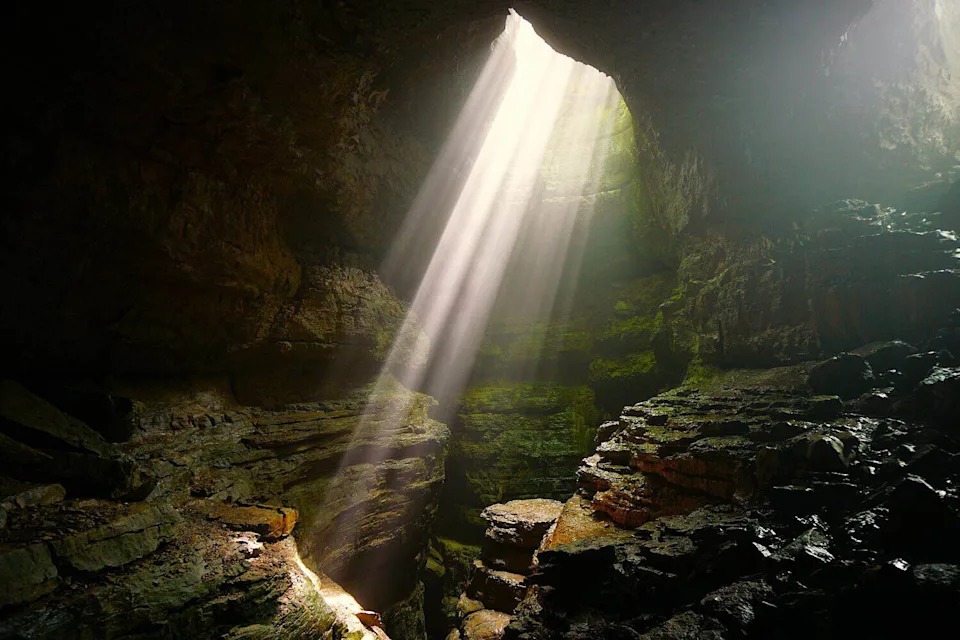
Even though Bobcat Cave has been studied for decades, one newly identified species was only noticed last year.©David Radzieta/Shutterstock.com
How Scientists Confirmed a New Genus
Specimens were examined at the Auburn University Museum of Natural History by Curator of Fishes Jonathan Armbruster. Detailed morphological study, including a CT scan at the Auburn University Center for Polymers and Advanced Composites, showed distinct skeletal and snout features not seen in related species. Genetic analysis also supported the fish's uniqueness: unlike the Southern Cavefish, the new specimens were missing part of the rhodopsin gene associated with light sensitivity.
'Most of the time when we discover new species, we are finding differences within organisms we already knew were there. This was different. This was a new discovery that had not been seen before, and that is truly rare,' Armbruster told Auburn Today.
Name and Classification
Because its combination of traits is distinct, taxonomists established a new genus and species: Demogorgonichthys arcanus, commonly called the Demon Cavefish. The name blends 'Demogorgon,' an ancient underworld figure, with 'arcanus,' Latin for hidden or secret — a nod to both the fish's appearance and its concealed habitat. Co-author Pamela Hart had kept a list of subterranean-inspired names that provided the inspiration.
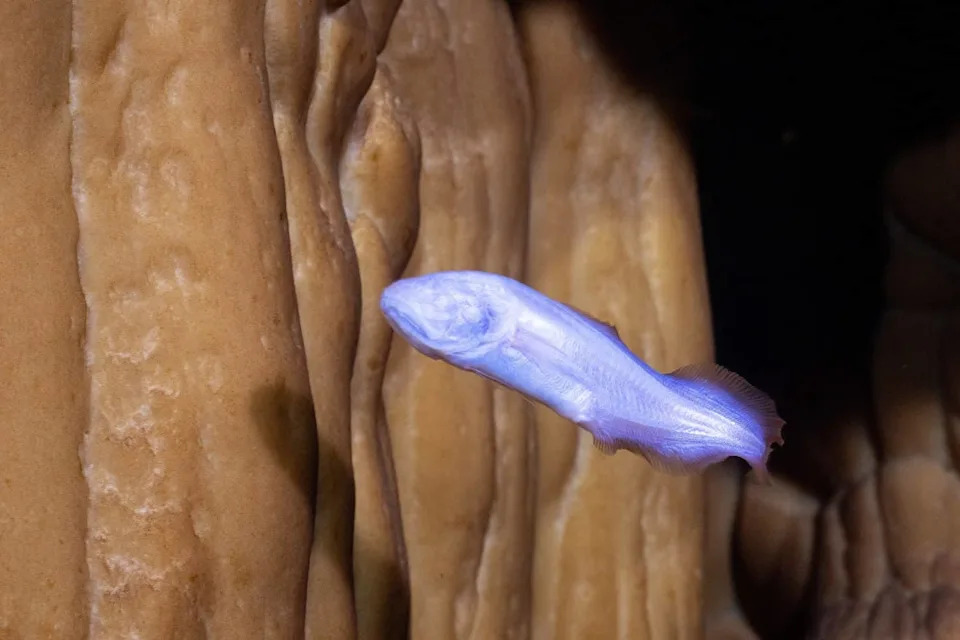
The discovery of the Demon Cavefish suggests there are more undiscovered species hiding deep within Alabama's caves.©Griffin Gillespie/Shutterstock.com
Rarity, Habitat, and Conservation
Only a handful of Demon Cavefish have been recorded so far; some surveys confirmed as few as nine individuals. Researchers suggest the fish may spend most of its life deep in the cave aquifer, making it hard to detect in routine surveys. Although restricted areas of Redstone Arsenal and federal land protections may have reduced development pressure locally, scientists emphasize that protecting the cave alone is not enough. The surrounding land functions as the recharge basin for the cave and aquifer, so surface-land management and water-quality protection are critical to conserving this species.
Why This Matters
The discovery of Demogorgonichthys arcanus highlights how much biodiversity can remain hidden even in well-explored places. It underscores the value of targeted biological surveys, the importance of museum-based taxonomy and modern imaging and genetic tools, and the need for integrated conservation strategies that consider both subterranean and surface ecosystems.
Help us improve.