
The CDC ran a large, largely unseen public health operation during the 2026 FIFA World Cup to monitor and mitigate disease risks as millions of fans traveled across venues. Key measures included a near–real-time World Cup dashboard, 24/7 port-of-entry monitoring with CBP, and local deployments to boost surveillance, labs and wastewater monitoring. The agency focused on threats such as measles (2,260 U.S. cases as of July 16), Ebola and hantavirus, and kept its activation through July 31 to sustain readiness.
Behind the Scenes: How the CDC Protected Millions During the 2026 FIFA World Cup
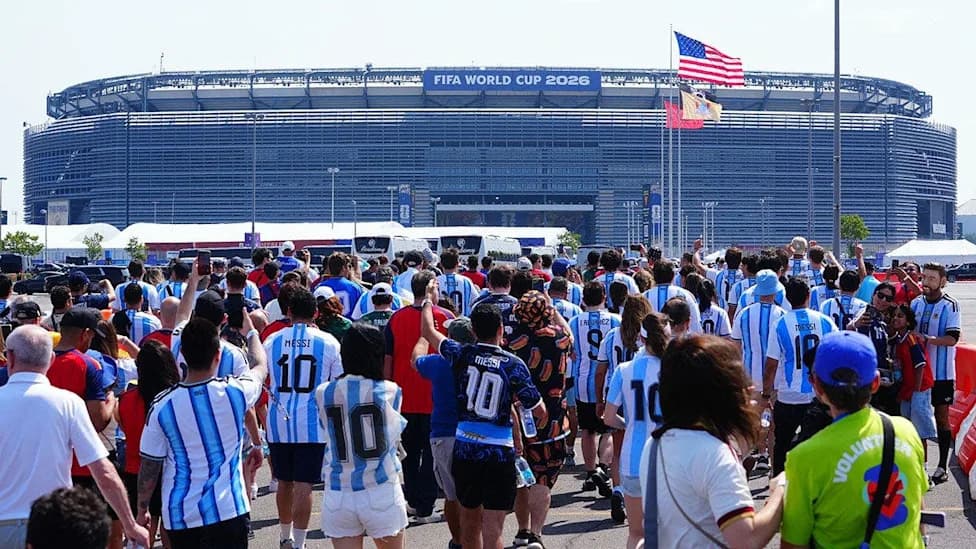
Fans gather outside New Jersey Stadium before the FIFA World Cup 2026 final.
The 2026 FIFA World Cup was not only a test for the players on the field but also a major operational challenge for public health officials. As millions of fans traveled across three countries, the Centers for Disease Control and Prevention (CDC) ran a largely behind-the-scenes effort to detect threats and prevent outbreaks while spectators and teams moved among host cities.
Scope of the Event
In the United States, 11 cities hosted 39 teams and 78 matches. Overall, the tournament featured 48 teams across 16 host cities in the U.S., Canada and Mexico, with more than 5 million tickets sold and an estimated 6.5 million fans attending events across the three host countries.
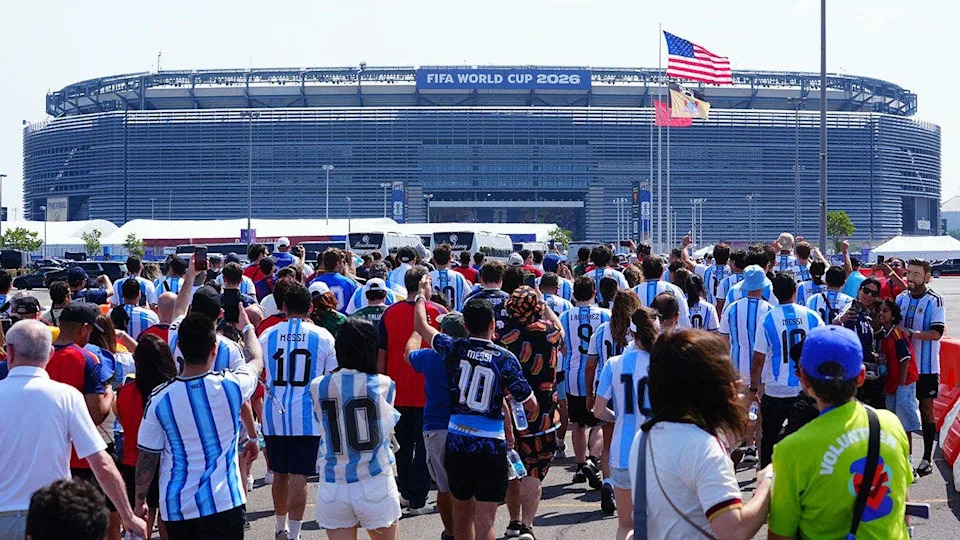
Fans gather before the FIFA World Cup 2026 final match between Spain and Argentina at New Jersey Stadium, also known as MetLife Stadium, in East Rutherford, N.J., July 19, 2026. The Centers for Disease Control and Prevention tracked public health threats behind the scenes during the tournament.
Key Threats Monitored
Large gatherings, holiday travel (including Independence Day in the U.S.), and concurrent international outbreaks increased the risk of infectious disease transmission. The CDC identified concerns such as measles (2,260 confirmed U.S. cases as of July 16), and monitored international activity related to Ebola and hantavirus.
Tools and Tactics
The CDC deployed a multi-pronged strategy to monitor and respond to health threats:
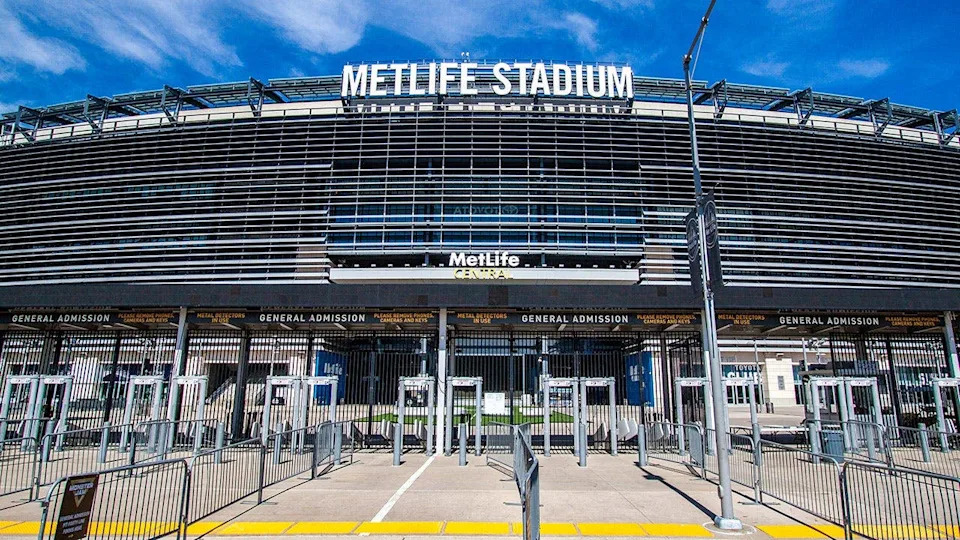
MetLife Stadium in East Rutherford, N.J., hosted games during the 2026 World Cup.
- World Cup Data Dashboard: Near–real-time datafeeds allowed state and local health departments to follow disease trends as fans and teams moved between venues.
- 24/7 Ports-of-Entry Operations: The agency staffed around-the-clock operations at U.S. ports of entry in coordination with U.S. Customs and Border Protection (CBP) to monitor international travelers.
- Local Deployments: Specialists were sent to host cities to strengthen disease surveillance, expand laboratory capacity, enhance wastewater monitoring and support preparedness planning.
- Digital and Environmental Signals: Analysts monitored wastewater data, emergency department visits and social-media signals for early signs of outbreaks.
Partnerships and Preparedness
The effort required coordination across multiple CDC divisions and with partners including the Department of Health and Human Services (HHS), the Administration for Strategic Preparedness and Response (ASPR), and the White House FIFA World Cup Task Force. In March, the CDC issued guidance urging jurisdictions to take a risk-based approach and prepare for a wide range of threats — biological, chemical, radiologic/nuclear, environmental and mass-casualty events.
“Readiness is not only measured by how we respond to emergencies, but by the work we do every day to prevent them,” said acting CDC Director Dr. Jay Bhattacharya.
Continuing Work
While the tournament has concluded, the CDC maintained its activation through July 31 and emphasized that the surveillance systems, partnerships and preparedness activities developed for the World Cup will continue to inform the agency’s everyday readiness and response capabilities.
Help us improve.





















