FCC Chair Brendan Carr said he isn’t worried about legal challenges as the agency prepares to vote to repeal the 39% national broadcast ownership cap and shift to case-by-case reviews. The rule, established in 2004, is blocking Nexstar’s proposed $6.2 billion purchase of Tegna, which faces a lawsuit and preliminary injunction. Commissioner Anna Gomez called the repeal unlawful and warned of First Amendment and public-interest enforcement concerns; the FCC also has an open review of Disney’s ABC after coverage decisions.
FCC Chair Shrugs Off Legal Risks as Commission Moves to Repeal 39% Broadcast Ownership Cap
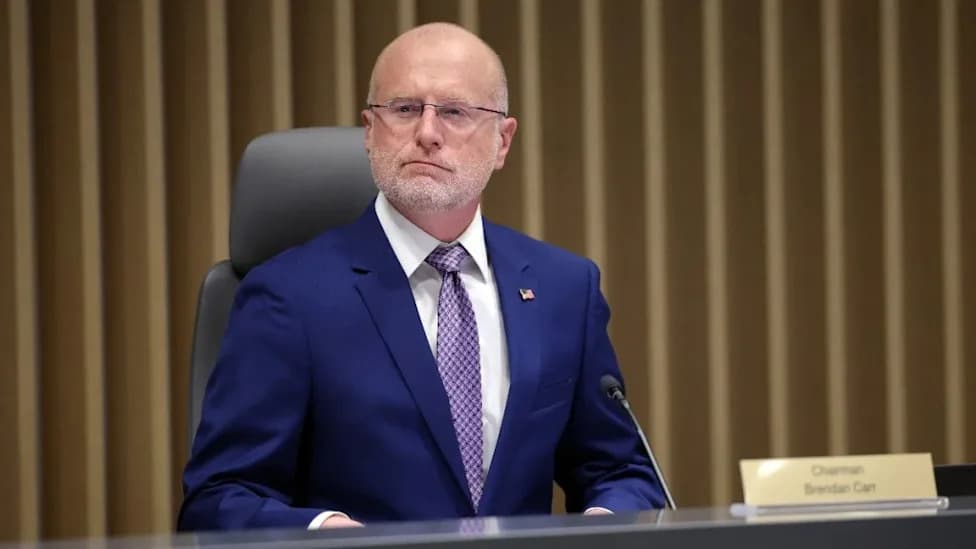
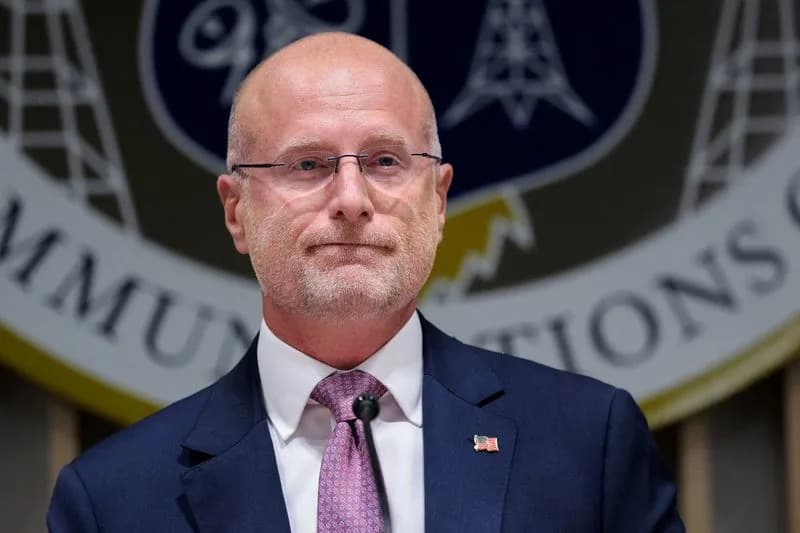
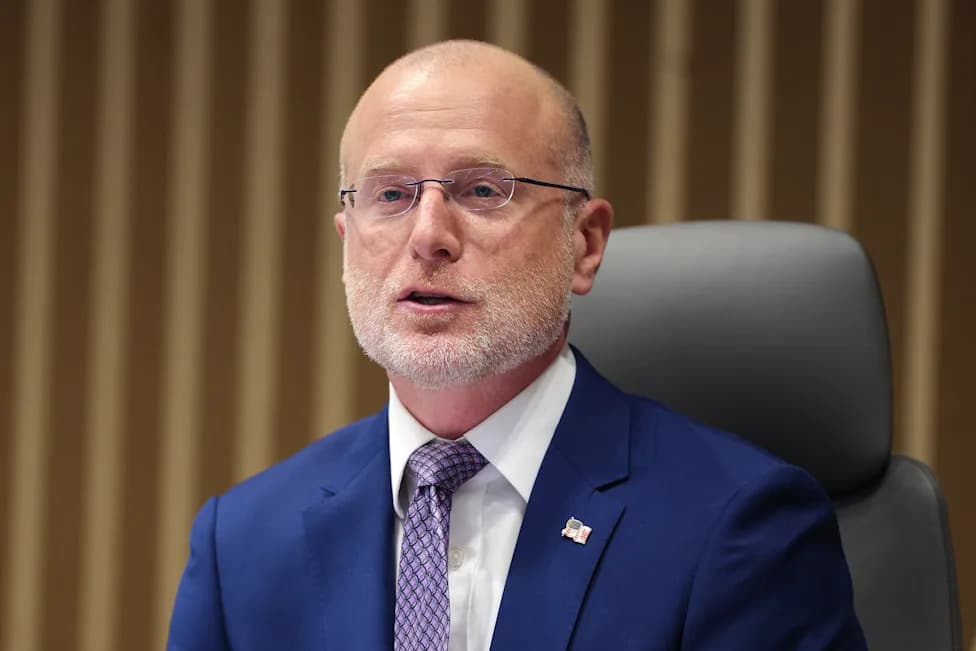
Chairman of the Federal Communications Commission (FCC) Brendan Carr participates in a FCC meeting at the Federal Communications Commission (Credit: Kevin Dietsch/Getty Images)
Federal Communications Commission Chair Brendan Carr said he is unconcerned about a potential court challenge as the agency prepares to vote on repealing the 39% national broadcast ownership cap and replacing it with case-by-case reviews.
The ownership cap, enacted by Congress in 2004, prevents any single entity from owning or controlling broadcast television stations that together reach more than 39% of U.S. TV households. That limit has been a central obstacle to Nexstar Media Group’s proposed $6.2 billion acquisition of Tegna, a deal now entangled in litigation after a coalition of state attorneys general and DirecTV sued to block the merger and obtained a preliminary injunction.
Carr told reporters at his regular monthly briefing that he is "regularly and actively in conversation" with Sen. Ted Cruz (R-Tex.) and other congressional offices about the agency’s actions. He argued that past court decisions and the agency’s long-standing practice support the FCC’s authority to modify the rule.
"Historically, the FCC, on a bipartisan basis, has viewed the 39% as not a hard statutory limit," Carr said. "When this issue was last before the D.C. Circuit, the court said that 39% was merely a starting point."
Carr acknowledged subsequent statutory changes but said the FCC’s forthcoming decisional document explains why those changes did not eliminate the agency’s authority to revise the rule. He also pointed to the D.C. Circuit’s earlier rejection of the commission’s past position as a sign that courts have been willing to question strict readings of the cap—an argument he said is relevant even after the Supreme Court’s recent limits on Chevron deference.
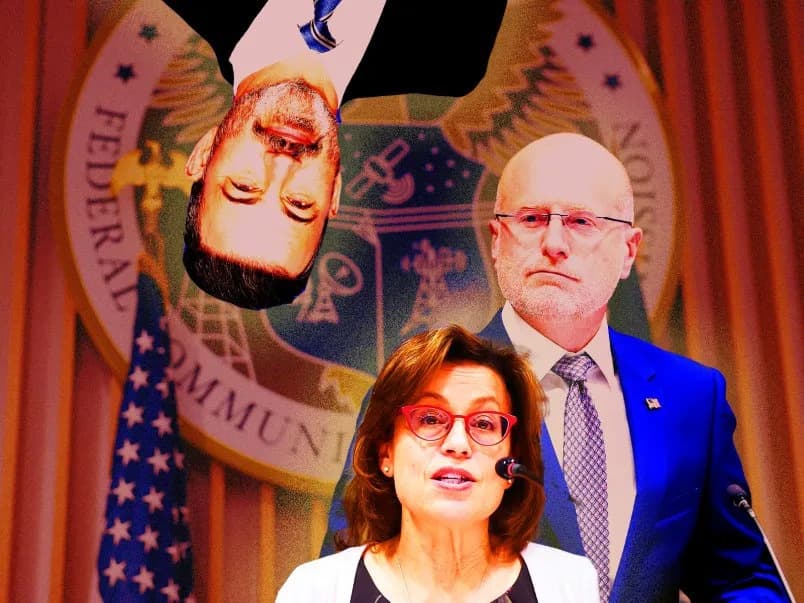
Commissioner Anna Gomez, the agency’s sole Democrat, strongly disagreed. Speaking at her monthly press briefing, Gomez called the planned repeal "unlawful on its face" and said she would be "extremely surprised" if it survived judicial review. She warned that loosening the cap could invite litigation and increase media consolidation.
Gomez also raised constitutional concerns about the FCC using a vague "public interest" standard to police broadcasters' editorial choices. "The FCC has no authority to punish broadcasters for exercising their First Amendment right to choose what is newsworthy," she said, adding that selective enforcement risks censorship or forced speech.
The debate over the ownership cap unfolded alongside questions about President Donald Trump's public call for revoking broadcast licenses after some networks limited coverage of his prime-time White House address. Carr acknowledged the issue and noted the FCC already has an open license-review proceeding concerning Disney’s ABC.
"With respect to Disney ABC in particular, we have an open proceeding right now on whether they've been operating in the public interest," Carr said. "We're going to hold all broadcasters to their public-interest obligations."
Gomez cautioned that the commission must respect legal limits and avoid using regulatory processes to influence programming decisions. She warned the agency against "cherry-pick[ing] among commenters in order to punish ABC" and urged adherence to First Amendment protections.
The vote to repeal or revise the national ownership cap is expected at an upcoming FCC meeting. If the commission moves forward, litigation challenging the change appears likely, meaning the issue could return to the federal courts.
Help us improve.